Iran Strikes Spark Regional Fears; Diplomacy Urged
Explosions have been reported in Iran, with concerns rising over potential strikes on vital infrastructure. Qatar has warned of a regional "spiral out of control." Experts urge a diplomatic solution, fearing the blowback of military escalation on allies and global markets.


Explosions Reported in Iran Amid Rising Regional Tensions
Reports emerged this morning of explosions in Iran, with Iranian media indicating that rail infrastructure and energy facilities on Karg Island may have been targeted. These events follow warnings issued by Israel to Iranians regarding the use of the rail system. While the Pentagon has not yet confirmed the reports, the situation has raised alarms about potential escalation in the region.
Qatar Warns of Potential Regional Spiral
Qatar’s Foreign Ministry spokesperson issued a stark warning today, stating that the situation in the region is nearing a point where it could spiral out of control. This statement comes ahead of a deadline set by President Trump, adding to the growing unease.
Concerns Over Blowback and Global Impact
Experts and former officials are expressing significant concern over the potential blowback from any military action against Iran. The primary worry is not for the Iranian regime itself, but for the stability of American allies in the region and for the United States.
Iran, despite facing military pressure, still possesses the capability to disrupt global energy markets. Even small-scale attacks, like a single drone or missile strike on energy infrastructure, can cause widespread chaos and affect oil flow across the region and the world. “A single drone or a single missile can get through and can disrupt the energy flow all throughout the region, even if they’re just hitting a couple of sites here and there,” noted one analyst.
Military Briefings Canceled, Situation Fluid
A planned Pentagon press briefing scheduled for Tuesday morning was quietly canceled last night. This sudden change is seen as a clear indicator of the fluid and uncertain nature of the current situation. The cancellation suggests that events are rapidly developing and that official confirmations are not yet available.
McCaskill: Diplomatic Solution is the Best Path
Former Senator Claire McCaskill emphasized that any escalation of conflict would primarily be paid for by Americans, with the benefits potentially going to those who oppose American values, such as Russia’s President Putin. She highlighted the importance of international cooperation, noting that many of the U.S. military’s successes rely on bases in allied European countries.
McCaskill argued that an escalation is not a wise strategy. Instead, she suggested that President Trump should seek a way to claim victory and de-escalate the situation. “He needs to do what he always does, find something that he can say he won,” she stated.
The core issue remains the Strait of Hormuz, a vital waterway for global oil transport. McCaskill believes that reopening these straits requires a diplomatic approach, not further military engagement. She also raised concerns about the long-term financial burden on American taxpayers to potentially repair damage caused by military actions.
Iran’s Strategic Endurance and Existential Crisis
The Iranian Revolutionary Guard, unlike a conventional military, operates with a singular focus on survival. This existential threat drives their strategic thinking, similar to how other groups have historically outlasted opponents by leveraging time and resilience.
“They had no place to fly home to after the war,” one commentator remarked, drawing parallels to the prolonged conflicts in Vietnam and Afghanistan. The stakes for Iran are immense, and their leadership is battle-hardened, capable of inflicting significant pain on adversaries.
Avoiding Quagmires and Preserving Reputation
A key concern is how to disengage from potential conflict without falling into another prolonged quagmire, akin to the experiences in Afghanistan or Vietnam. The stability and governance of Iran, especially if its infrastructure is severely damaged, could lead to widespread internal strife and refugee flows, posing further risks to the region.
The potential destruction of civilian infrastructure, such as power plants or water facilities, could have devastating humanitarian consequences. Such actions, if indiscriminate, could be considered war crimes under international law and would severely damage the United States’ global reputation and credibility as a leader.
Military Adherence to International Law
Despite political pressures to achieve decisive military outcomes, it is expected that military leadership will adhere to international humanitarian law. “The military leadership knows exactly how far they can go,” one expert suggested. Any strikes on civilian infrastructure would likely be justified by the Pentagon as necessary to disrupt the military capabilities of the Iranian regime.
Iran’s Retaliation Capabilities and Regional Instability
Iran’s ability to retaliate, even if its air defenses are limited, remains a concern. By preserving and hiding assets, Iran can continue to strike at civilian targets in the region and maintain the closure of the Strait of Hormuz. Even without direct military confrontation, fear and the threat of disruption are powerful tools.
“Just a single drone or single-missile hit on some energy infrastructure in Saudi Arabia, Qatar, Bahrain, UAE. Again, it’s enough to continue the turmoil and the chaos in the region,” a commentator explained. Iran’s strategic goal may not be outright military victory, but rather sustained disruption and the prevention of free passage through the vital strait.
Looking Ahead: Diplomacy or Escalation?
As unconfirmed reports of military actions continue, the world watches closely. The coming hours and days will be critical in determining whether the region moves further towards a diplomatic resolution or deeper into a potentially devastating conflict. The focus remains on whether de-escalation can be achieved and how the international community will respond to the ongoing instability.
Source: Claire McCaskill: A diplomatic solution in Iran is the best answer (YouTube)

Related Articles
Trump’s Stark Ultimatum: Global Conflict Looms Over Iran
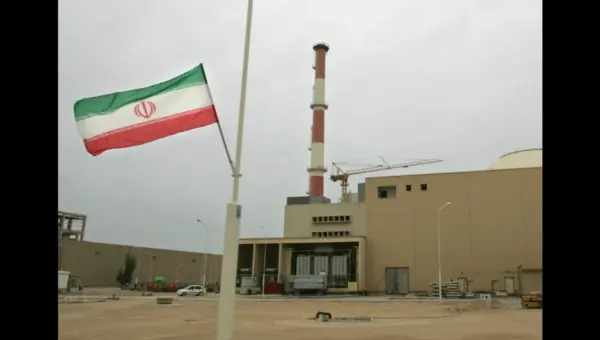
President Trump has issued a stark ultimatum to Iran, threatening attacks on infrastructure if hostile actions against global shipping do not cease. Iran has responded by calling for citizens to form human chains at power plants, signaling a potentially dangerous escalation. This standoff highlights critical geopolitical tensions with global economic and humanitarian implications.

Putin’s Russia: 25 Years of Propaganda and Paranoia
For 25 years, Mark Bennett lived in Russia, witnessing its transformation under Vladimir Putin. His firsthand account details the rise of state propaganda, the erosion of truth, and how a nation seemingly sleepwalked into conflict, influenced by a narrative of Western hostility and Russian destiny.

Trump’s Iran War Panic Fuels Escalation Fears
President Trump's aggressive rhetoric towards Iran signals desperation and a potential for massive escalation. Experts fear a breakdown in military-civilian communication and warn of a looming humanitarian catastrophe. A peaceful resolution seems distant as strategic options narrow.