Iran Strikes Spark Oil Surge, Threaten Global Energy
Iran's strikes on a major Qatari LNG facility have sent crude oil prices to $110 per barrel and European natural gas prices up 15%. Experts warn of sustained pain at the pump, with temporary fixes unlikely to solve the core issue of securing global energy routes like the Strait of Hormuz.

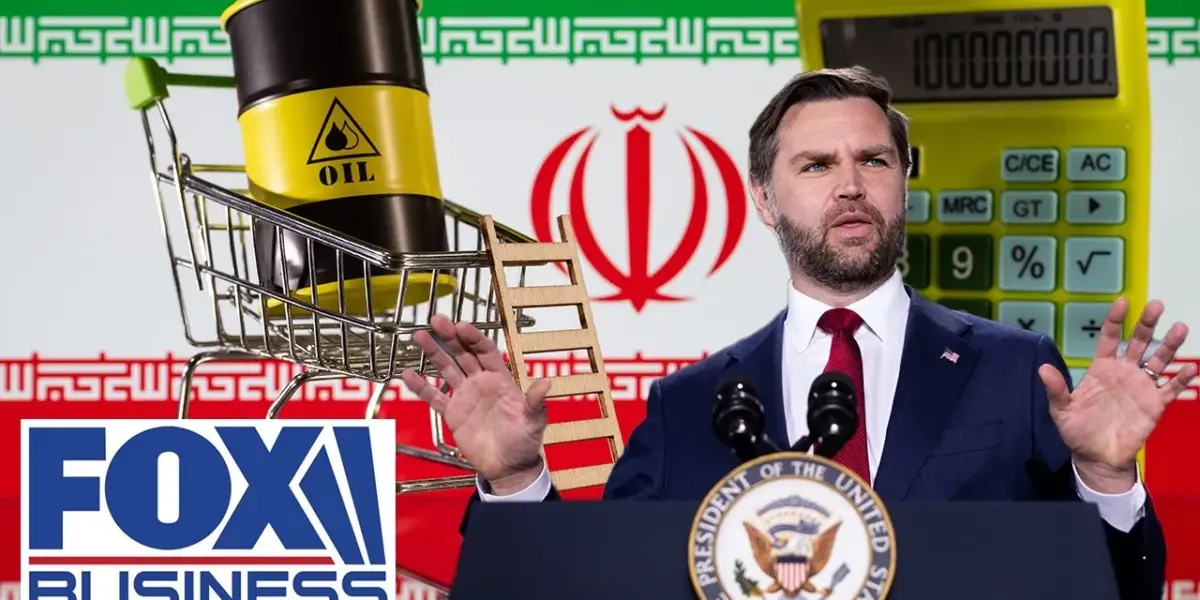
Iran Strikes Spark Oil Surge, Threaten Global Energy
Major attacks on critical energy infrastructure in the Middle East have sent crude oil prices soaring and natural gas prices climbing, raising concerns about sustained pain at the pump for consumers worldwide.
Iran’s recent missile strikes targeted the world’s largest Liquefied Natural Gas (LNG) facility in Qatar, a facility responsible for a significant portion of global LNG supply. This escalation marks a major shift from earlier concerns focused on shipping disruptions in the Strait of Hormuz.
Oil Prices Spike Amid Escalation
Following the attacks, crude oil prices jumped to $110 per barrel, while European natural gas prices surged by 15%. The U.S. benchmark West Texas Intermediate (WTI) saw a notable spike, suggesting a distinct impact on the U.S. market compared to the rest of the world. This divergence highlights how global events directly influence domestic energy costs, even for those who may not directly use oil from those specific regions.
Senator JD Vance warned of a “rough road ahead” for gasoline prices in the coming weeks. While the administration has pledged that energy prices will return to normal once the conflict concludes, the immediate future suggests continued volatility. The national average for a gallon of regular gasoline has already climbed to $3.88, with some analysts predicting it could reach $4.
Market Reaction and Investor Sentiment
The broader market has shown signs of concern, though not a complete collapse. The S&P 500 experienced a slight dip, while global equities saw larger declines. This suggests that while the U.S. market is reacting, other regions are feeling a more significant impact from the geopolitical tensions.
Commodities like aluminum and copper have also seen sharp declines, as much as 10% in a single day. This is often interpreted as a signal of anticipated slower economic growth, a potential demand shock stemming from the instability. Bond markets have also reflected inflationary risks, with yields rising across various maturities.
Sanctions and Strategic Reserves
Discussions are underway regarding potential strategies to mitigate the price hikes. One proposed measure involves sanctioning Iranian oil currently in transit, estimated at 140 million barrels. This oil, primarily destined for China, could potentially be redirected to help stabilize prices for a short period, offering a buffer of about 10 to 14 days.
The use of the U.S. Strategic Petroleum Reserve (SPR) has also been mentioned as a way to ease pressure at the pump. However, some analysts view these measures as temporary fixes that do not address the root cause of the supply chain vulnerability.
The Strait of Hormuz: A Critical Chokepoint
Many experts believe the key to bringing oil prices back down from current highs, closer to the $60-$70 range, lies in securing the Strait of Hormuz. This vital waterway is a critical chokepoint for global oil shipments. International cooperation, including efforts from Japan and the UK, is seen as crucial to ensuring the free flow of oil through the region.
Until the security of this strait is guaranteed and Iran’s ability to disrupt shipments is neutralized, temporary measures may offer little lasting relief to consumers facing high energy costs. The situation demands a resolution that restores confidence in global energy supply routes.
Geopolitical Dynamics and Future Outlook
The attacks highlight complex geopolitical dynamics, including questions about coordination between allies and the internal power structures within Iran. The Revolutionary Guard appears to be the dominant force, influencing decisions that impact global energy markets.
While short-term volatility is expected, the long-term implications depend on the de-escalation of tensions and the restoration of stable energy flows. Investors and consumers alike will be closely watching developments in the Middle East and their impact on global energy prices and economic stability.
What Investors Should Know
- Energy Price Volatility: Expect continued fluctuations in oil and natural gas prices due to ongoing geopolitical risks in the Middle East.
- Global Market Impact: While U.S. markets are affected, broader international equities and commodity markets may experience more significant swings.
- Inflationary Pressures: Rising energy costs can contribute to broader inflation, potentially influencing central bank policy and market sentiment.
- Supply Chain Security: The security of critical shipping lanes like the Strait of Hormuz remains a key factor for global economic stability.
Source: 'ROUGH ROAD AHEAD': Vance warns of sustained pain at the pump (YouTube)

Related Articles


Trump’s Iran Claims: Shocked or Deluded by War Games?
Donald Trump claimed surprise over Iran's actions in the Strait of Hormuz, but experts suggest retaliation was inevitable. Military war games likely predicted such a scenario, raising questions about the advice given to the President.

Israel’s Strategy Against Iran Revealed
Israel's strategy to counter Iran's nuclear ambitions and regional influence centers on containment, utilizing a mix of covert military actions, intelligence operations, and diplomatic pressure. Analysts highlight the growing urgency due to Iran's nuclear advancements, while also noting the persistent risk of escalation in the volatile Middle East.


Israel Eyes Lebanon Buffer Zone: A Political Ploy?
Israel's military operations in southern Lebanon aim to create a buffer zone and pressure Hezbollah, according to expert Yazid Sayigh. He argues the strategy is more political than military, echoing historical tactics. The ongoing conflict could destabilize Lebanon further, while Hezbollah fights for survival.