Iran Strikes Spark Fireball Near Dubai, Fuel Prices Surge Past $100
A drone strike ignites a fireball near Dubai, sending oil prices past $100 amid escalating Middle East tensions. The U.S. is pressing allies for naval escorts through the Strait of Hormuz, but faces diplomatic resistance.

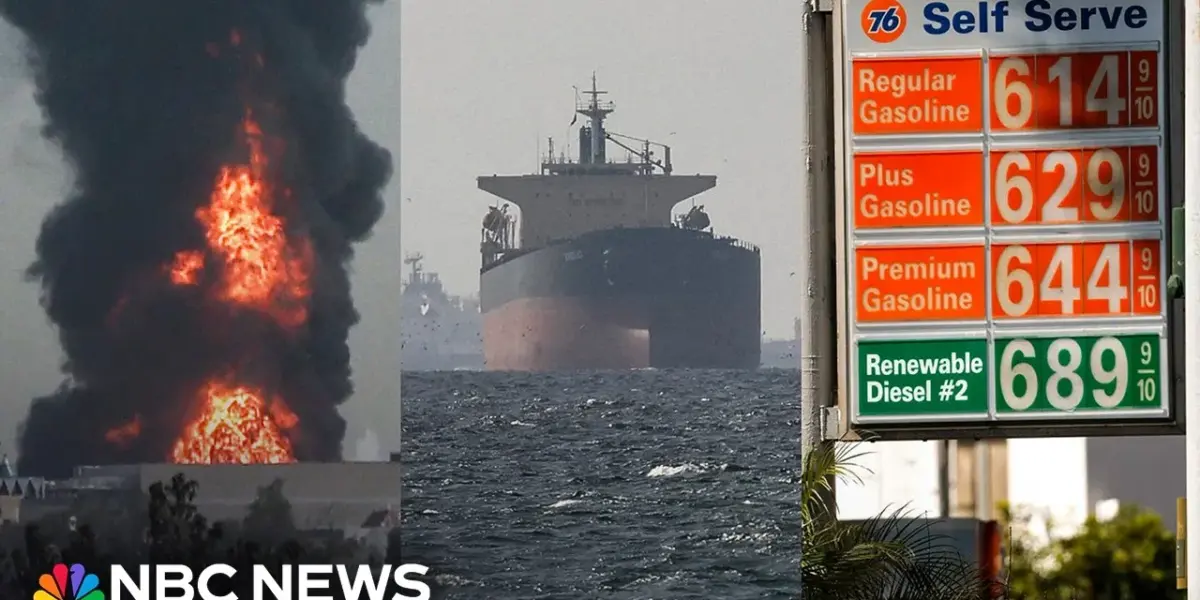
Middle East Tensions Escalate as Drone Strike Ignites Near Dubai Airport
A significant escalation in Middle East tensions has sent oil prices soaring past $100 per barrel, following a drone strike that ignited a dramatic fireball near Dubai International Airport. The incident, attributed to Iran, highlights the volatile geopolitical climate and its direct impact on global energy markets. The strike on oil facilities in the Emirates, alongside renewed Iranian attacks on airports, underscores Iran’s aggressive posture amid ongoing conflicts in the region.
Global Oil Supply Threatened by Strait of Hormuz Instability
The Strait of Hormuz, a critical chokepoint through which approximately 20% of the world’s oil typically flows, has become a major flashpoint. Iran’s actions, including attacks on oil tankers, are seen as an attempt to drive up oil prices and exert pressure on international actors. This instability has direct consequences for global energy supplies, with jet fuel prices increasing and the average price of gasoline rising by more than 70 cents since the conflict began. While most of the oil passing through the strait is destined for Asia, the ripple effects are felt worldwide, contributing to economic uncertainty.
US Presses Allies for Naval Escorts Amid Diplomatic Pushback
In response to the escalating threats, President Trump is actively pressuring U.S. allies to contribute warships to escort vessels through the Strait of Hormuz. However, this diplomatic push has met with mixed reactions. “Some are very enthusiastic, some less than enthusiastic. I assume some won’t do it,” President Trump stated, acknowledging the reluctance of some nations to become directly involved. Germany’s Defense Minister has indicated that the conflict is not their war, and a top diplomat for the European Union has expressed no appetite for escorting ships. President Trump voiced frustration, stating, “40 years we’re protecting you and you don’t want to get involved? We protect them and if we ever needed help, they won’t be there for us.” The administration is reportedly in discussions with half a dozen countries to counter the Iranian regime.
Iran’s Aggression and Regional Impact
The drone strike near Dubai is part of a broader pattern of Iranian aggression. In addition to targeting oil facilities, Iran has been accused of launching cluster bombs that explode mid-air, scattering smaller explosive devices. Reporter Richard Engel shared a harrowing account from a resident near Tel Aviv whose home was struck by one such device. The resident narrowly escaped injury by seeking shelter after hearing air raid sirens, emphasizing the personal danger posed by these attacks. “I knew if a missile hit me, my wife would kill me,” he recounted, highlighting the fear and disruption these strikes cause to civilian life. In Lebanon, Israeli troops are expanding their ground operations against Hezbollah, leading to the displacement of 800,000 people. Meanwhile, within Iran, the government has reportedly threatened severe punishment, including death, for anyone protesting the regime, a stark contrast to the bravery of demonstrators who, according to President Trump, are currently deterred by the lack of arms and the presence of snipers.
White House Weighs Escalation and De-escalation Options
Amidst the heightened tensions, President Trump has reportedly postponed his high-profile trip to China, citing the importance of his presence in the U.S. to manage the ongoing crisis. The President believes that “when this is over, oil prices are going to go down very, very rapidly” and stressed the urgency of preventing Iran from acquiring nuclear weapons, calling it “the most violent, vicious country in the last 50 years.” Six U.S. officials familiar with war plans have indicated that President Trump has been presented with options for both de-escalation and escalation of the conflict. While military avenues exist to potentially end the war quickly, a senior Iranian official stated that the focus remains on their current objectives rather than negotiations or a ceasefire.
Looking Ahead: Diplomatic Efforts and Market Volatility
The coming days will be crucial in determining the trajectory of the Middle East crisis. Continued diplomatic efforts to secure international cooperation for naval escorts in the Strait of Hormuz will be closely watched. Simultaneously, the global market will remain sensitive to any further escalations or de-escalations in the region, with oil prices likely to stay volatile. The effectiveness of U.S. pressure on allies and Iran’s response to these overtures will shape the immediate future of regional stability and its impact on the global economy.
Source: Drone strike sparks fireball near Dubai airport as Middle East tensions send oil past $100 (YouTube)

Related Articles


Israel Escalates Iran Strikes, Warns of Wider War
Israel has launched significant strikes inside Iran following continued missile fire, warning of further escalation. The conflict risks wider regional instability and economic disruption, especially concerning the Strait of Hormuz.
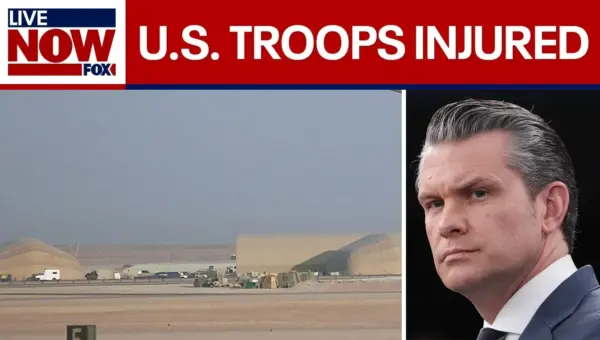
US Troops Wounded in Saudi Base Attack by Iran
An Iranian missile attack on Prince Sultan Air Base in Saudi Arabia wounded multiple U.S. service members and damaged aircraft. The incident highlights the ongoing risks in the Middle East and the limitations of air defense systems. Analysts discuss the strategic implications, economic pressures, and the isolation of Iran amidst the conflict.

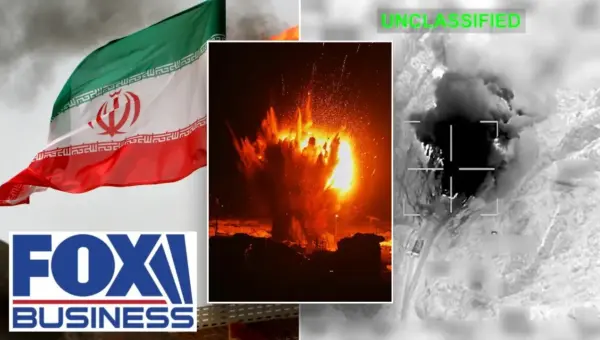
Iran Tensions Send Oil Prices Soaring; Farmers Seek Relief
Escalating tensions with Iran are driving oil prices higher, while U.S. troop deployments to the Middle East increase. Meanwhile, American farmers are receiving relief from rising costs through regulatory changes and support measures, as devastating wildfires impact Nebraska's cattle industry.