Iran Strikes Saudi Base, US Escalates Air Campaign
Iran launched a drone and missile attack on Prince Sultan Air Base in Saudi Arabia, wounding U.S. personnel and damaging aircraft. In response, the U.S. is intensifying air strikes on Iranian military targets. The Houthis have also joined the conflict, launching a projectile towards Israel. The ongoing conflict highlights the strategic importance of the Straits of Hormuz and the continued reliance on advanced air power.

Iran Strikes Saudi Base, US Escalates Air Campaign
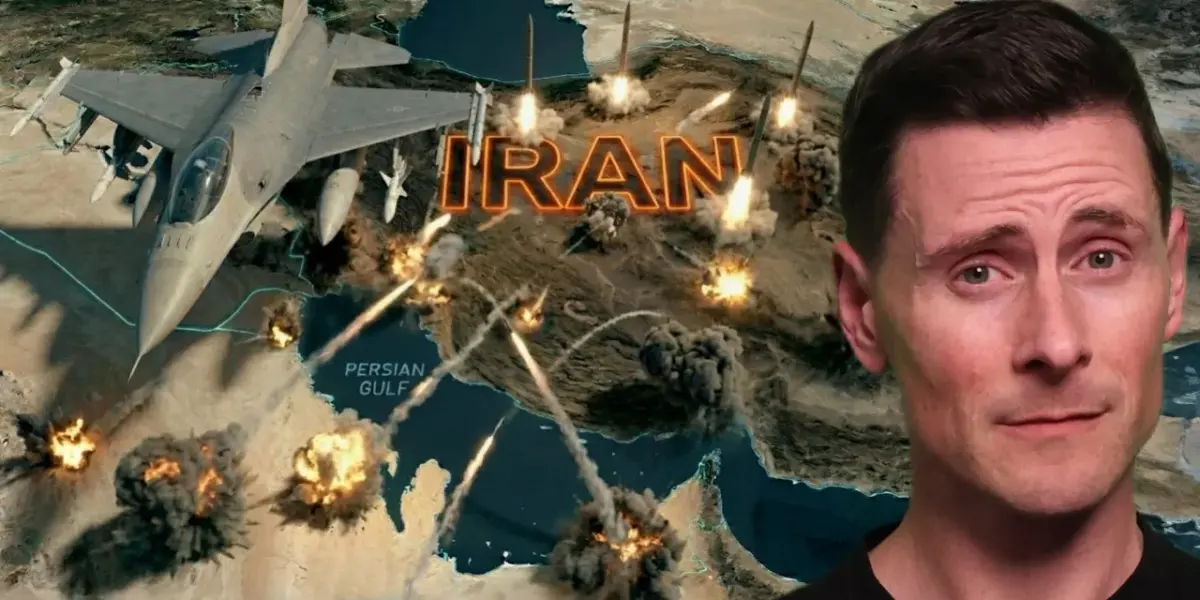
In a significant escalation of the ongoing conflict, Iran launched a coordinated drone and ballistic missile attack against Prince Sultan Air Base in Saudi Arabia on March 27th. This key U.S. and Saudi hub supports coalition air operations over the Persian Gulf and Iran. The attack, which involved cluster warheads and drone swarms, aimed to overwhelm air defenses. While most threats were neutralized, some projectiles breached defenses, resulting in injuries to 10-12 American service members, including two seriously wounded. Several KC-135 aerial refueling aircraft were also damaged.
U.S. Response Intensifies Air Strikes
The United States is expected to increase pressure on Iran in direct response to the attack. U.S. F-16, F-35 Lightning II, and F-15E Strike Eagle fighter jets are reportedly intensifying precision strikes. These operations target remaining Iranian missile launch sites, command nodes, and military infrastructure. The goal is to degrade Iran’s capabilities, deter future attacks, and protect U.S. troops and regional partners.
Houthis Join Regional Conflict
Adding another layer to the regional tensions, the Houthis have also entered the fray. They launched a projectile towards Israel, which was intercepted. This move by the Houthis, often supported by Iran, signals a broader regional involvement and an attempt by Iran to create wider chaos.
Strategic Context: Disrupting Air Power
Iran’s strike on Prince Sultan Air Base highlights a specific tactical objective: disrupting U.S. air power. The KC-135 refueling aircraft are vital for sustaining long-range combat air patrols and aerial refueling operations. By targeting these tankers, Iran aims to limit the operational reach and endurance of U.S. fighter jets like the F-16 and F-35, which are critical for projecting power in the region.
Retrenchment Strategy and Air Dominance
U.S. officials, including remarks attributed to Secretary Mark Rubio, suggest a strategy focused on air power rather than ground troop deployment. This approach, sometimes referred to as a ‘retrenchment strategy,’ involves degrading an adversary’s capabilities through precision strikes and then observing the results. The focus is on dismantling Iran’s ballistic missile and drone programs, as well as its ability to develop nuclear weapons and support proxy forces.
Geopolitical Tensions and Diplomatic Efforts
The conflict occurs against a backdrop of complex political signals. Reports indicate internal disagreements within U.S. political circles regarding the strategy against Iran. Simultaneously, public figures like Joe Rogan have voiced concerns about the conflict, questioning its alignment with campaign promises. However, proponents of the current military action argue it is a necessary response to a dangerous regime seeking nuclear weapons and posing a direct threat to regional stability and allies like Israel.
The Straits of Hormuz: A Critical Choke Point
Control over the Straits of Hormuz remains a key strategic objective. Iran’s ability to influence or control this vital waterway significantly impacts global oil trade and military movements. There is speculation about potential ground operations, possibly involving the 82nd Airborne Division and Marine Expeditionary Units, to secure positions that could ensure freedom of navigation through the straits. These operations would likely be supported by extensive air cover from F-35s and F-16s, along with advanced anti-drone technologies.
4D Chess: Dismantling Iran’s Capabilities
From a strategic perspective, the ongoing operations are described as ‘4D chess.’ Iran’s launch capabilities and command structures have been significantly degraded by coalition strikes. The recent attacks are seen as opportunistic actions by a regime under pressure. Meanwhile, U.S. and Israeli forces are systematically targeting Iran’s nuclear ambitions, missile programs, and support for terrorism. The geographic advantage of secure bases in Saudi Arabia allows coalition forces to maintain pressure, even with limited damage from Iranian attacks.
Looking Ahead: Continued Air Power and Pressure
The coming days are expected to see a continued increase in air strikes against Iran, utilizing F-16 and F-35 aircraft. These actions aim to further soften targets and prepare for potential future operations. The resilience of U.S. forces, despite the casualties, is emphasized, with a focus on the advanced technology and tactics employed. The conflict underscores the significant risks faced by military personnel but also highlights the effectiveness of modern air power in confronting regional threats.
Source: Iran Just Did Something HUGE to Seal Their Fate (YouTube)

Related Articles

Iran Escalates, US Sends Third Carrier Amidst Mideast Turmoil
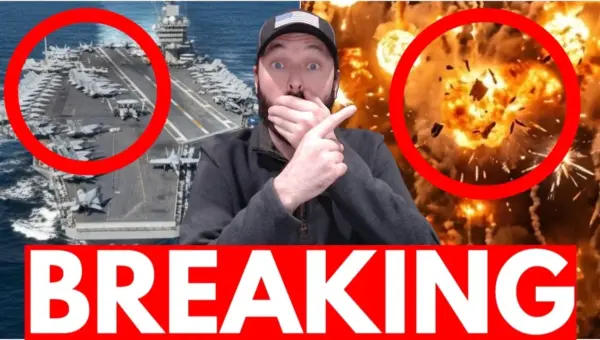
Iran has launched a major ballistic missile and cluster munition attack on Israel, while also striking Bahrain and the UAE. The US is responding by increasing its bombing campaign and deploying a third aircraft carrier to the Middle East. The Houthi group has also joined the conflict, firing missiles at Israel.


Trump’s War Strategy Faces Skepticism Amidst Shifting Goals
President Trump's strategy in the ongoing Middle East conflict is facing increasing skepticism, even from his own base. While military actions have seen success, strategic goals are unclear and diverging from allies like Israel. The prolonged war and shifting public perception are creating a sense of uncertainty and doubt.
Iran-Backed Houthis Strike Israel, Escalating Regional Tensions
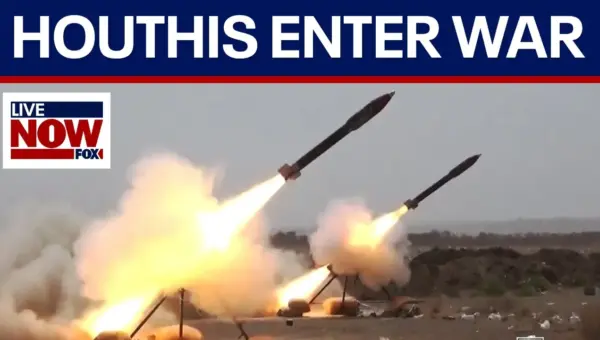
Iran-backed Houthi rebels have launched a missile attack targeting Israel, marking their first such strike since the current Middle East conflict began. The Israeli military confirmed the interception of the projectile. Analysts view this action as part of Iran's broader regional strategy, highlighting the regime's reliance on proxy forces amid internal weaknesses.