Iran Strikes Saudi Base, Escalating Mideast Tensions
Iran launched a significant missile and drone attack on Prince Sultan Air Base in Saudi Arabia. While defenses largely held, U.S. troops were wounded and tankers may be damaged. The U.S. is reinforcing the area.

Iran Strikes Saudi Base, Escalating Mideast Tensions
Iran launched a significant missile and drone attack targeting Prince Sultan Air Base in Saudi Arabia. While defenses intercepted most of the projectiles, the assault marks a serious escalation in regional conflict. The attack highlights Iran’s evolving military capabilities and the heightened risks to U.S. forces and allies in the Middle East.
Assault Details and Defenses
The Iranian strike involved both missiles and drones. Reports indicate that cluster missiles were used in an attempt to penetrate the base’s defenses. These weapons feature cluster warheads that release multiple submunitions, complicating the task for missile defense systems designed to intercept incoming threats. These systems aim to shoot down ballistic missiles before they reach their targets.
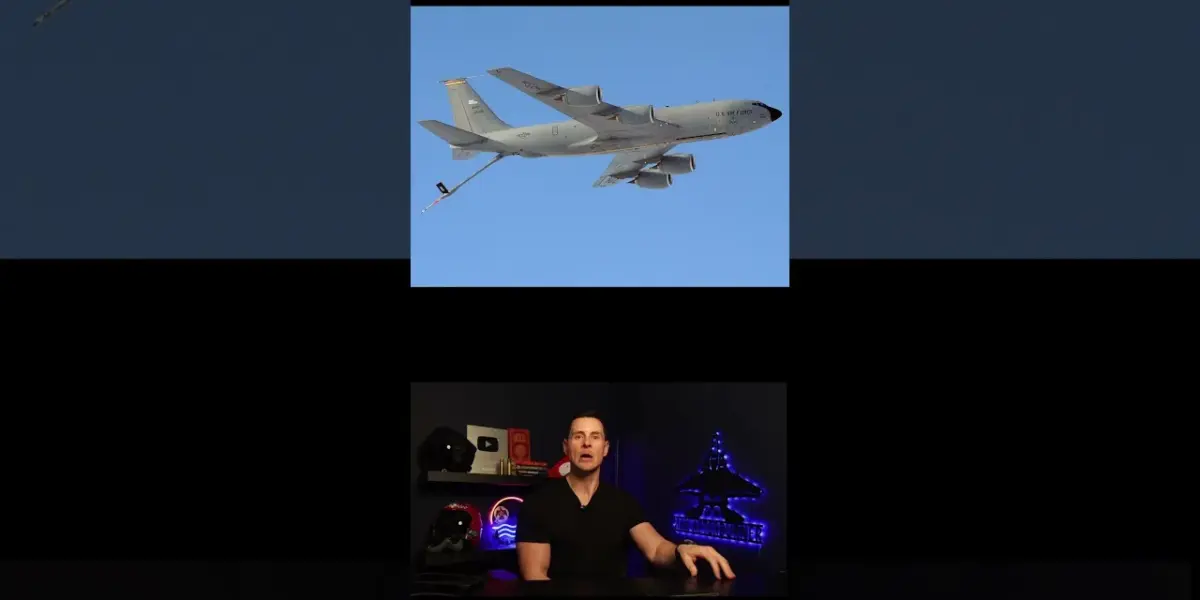
Despite the use of these tactics, U.S. and Saudi defenses largely held. Prince Sultan Air Base, a critical hub for regional operations, reported that its defensive measures were effective. However, the attack was not without impact. Approximately 10 to 12 U.S. troops sustained injuries, some reportedly serious. There is also potential damage to KC-135 refueling tankers stationed at the base, though operations are said to continue.
Strategic Context and Force Posture
The strike on Prince Sultan Air Base is strategically significant. The base serves as a key staging ground for air operations in the region, supporting missions that maintain stability and deter aggression. Iran’s targeting of such a critical facility signals a direct challenge to U.S. and allied presence and operational freedom.
In response to the heightened threat, the U.S. military is reinforcing its presence. The 82nd Airborne Division and a Marine Expeditionary Unit are being deployed to the area. These deployments aim to bolster defensive capabilities and signal a firm U.S. commitment to regional security. Such reinforcements are standard procedure to counter increased aggression and protect vital interests.
Iranian Claims and Battlefield Reality
Iran has portrayed the attack as a major success. However, military analysts suggest that Iran’s offensive capabilities are being systematically degraded over time. While the attack demonstrated a willingness to strike high-value targets, the effectiveness of its weaponry against modern defenses remains a key question.
What This Means on the Ground
The attack and subsequent reinforcements signal a period of increased tension and potential for further conflict. U.S. forces in the region face a more immediate threat, requiring constant vigilance and readiness. The deployment of the 82nd Airborne and the Marine Expeditionary Unit underscores the seriousness with which the U.S. views Iran’s actions. This could lead to more frequent air patrols and increased defensive measures around key installations.
Geopolitical Ramifications
This incident further destabilizes an already volatile region. It puts pressure on diplomatic efforts to de-escalate tensions and raises concerns among international partners about the security of vital energy routes and regional stability. The actions could also influence global oil markets due to the strategic importance of Saudi Arabia’s energy infrastructure.
Historical Parallels
The use of ballistic missiles and drones against military installations is a tactic seen in various conflicts. However, the direct targeting of a base hosting significant U.S. forces represents a notable escalation. This mirrors historical instances where state-sponsored actors have directly challenged major powers through asymmetric means, seeking to inflict casualties and disrupt operations.
Weaponry Explained
The transcript mentions cluster missiles. These are munitions that, when fired, release a large number of smaller bomblets over a wide area. This makes them effective against dispersed targets like troop formations or airfields, but also poses challenges for civilian safety due to their wide dispersal pattern. Ballistic missiles are unpowered rockets that follow a predictable trajectory after launch, making them a primary target for missile defense systems.
Source: Iran Just Did Something HUGE to Seal Their Fate (YouTube)

Related Articles


Iran War Costs Soar, Fueling Global Energy Price Hikes
The escalating war involving Iran, the U.S., and Israel has already cost over $11 billion, heavily impacting global energy markets. Missile strikes and drone warfare are driving up gas prices worldwide, with the Strait of Hormuz remaining a critical choke point.


Tel Aviv Residents Face Fear, Fatigue Amid Ongoing Iran Conflict
Tel Aviv residents are living under the constant threat of air raid sirens and missile strikes, forcing a new normal of fear and fatigue. Daily life is disrupted, with many relying on shelters and facing uncertainty about the future. Despite the hardships, there is a strong desire for a lasting resolution to the conflict.


Ukraine, Saudi Arabia Forge Defense Pact; Russia Aids Iran
Saudi Arabia is now seeking drone countermeasures from Ukraine, forging a new defense partnership. Meanwhile, Russia is reportedly preparing to send lethal aid, including drones, to Iran, escalating support in the Middle East. These moves signal a deepening connection between the conflicts in Ukraine and the Middle East.