Iran Strikes: Oil Prices Drop on Nuclear Deal Hopes
Oil prices dipped as reports emerged of Iran agreeing to halt its nuclear program amid U.S. demands. Military assets have been mobilized, while diplomatic channels and the sincerity of negotiations remain under scrutiny. Investor sentiment appears cautiously optimistic, awaiting concrete steps towards de-escalation.

Markets React as Iran Reportedly Agrees to Nuclear Program Halt
Oil prices saw a noticeable drop following reports that Iran has agreed to scrap its nuclear program. This development comes as President Trump presented Iran with a 15-point plan aimed at ending the ongoing conflict. The plan includes demands such as halting all nuclear enrichment, limiting missile programs, ensuring free passage through the Strait of Hormuz, and ending Iran’s support for regional groups considered terrorist organizations by the U.S.
The reported agreement marks a significant moment, especially as President Trump has been vocal about preventing Iran from acquiring nuclear weapons. “They can’t have a nuclear weapon. And they will not have a nuclear weapon,” he stated, indicating a firm stance on the issue. He also suggested that Iran had been deceptive about its nuclear activities for years, adding, “But if you don’t know, now you know.” The strong rhetoric from the U.S. President suggests a readiness to take decisive action if necessary.
Military Posturing and Diplomatic Channels
In parallel with diplomatic efforts, there has been a visible military buildup. Reports indicate that two Marine Expeditionary Units and the 82nd Airborne Division have been called up and are moving into position. This show of force is seen by some as a way to strengthen the U.S. negotiating position.
“If you take away politics and the media nonsense, it is the most successful military operation the U.S. has waged since 1990 in the first Gulf War,” stated Alex Gray, former Chief of Staff, regarding recent operations against Iran. He highlighted that key objectives, such as destroying Iran’s missile and drone programs, have reportedly been met.
Gray further suggested that Iran might accept a significant portion of the U.S. demands, possibly to avoid further military escalation. He noted that Iran might prefer to negotiate rather than face the arrival of U.S. military units like the Marine Expeditionary Units or the 82nd Airborne.
Negotiation Dynamics and Public Opinion
Despite the reports of agreement, there are ongoing debates about the reality of these negotiations. Iranian officials have reportedly denied that talks are happening and have rejected certain U.S. proposals. This raises questions about who within the Iranian regime has the authority to make binding decisions and implement any agreements.
Gray acknowledged that back-channel communications with adversaries like Iran are possible and have been used in the past. However, he emphasized that the critical question is whether the Iranian leadership possesses the internal unity and power to negotiate in good faith and follow through on any deal. “The big question is, do they have internal cohesion to negotiate in good faith,” he asked.
Public opinion in the U.S. appears divided on the current situation. A recent Fox News poll indicated that the public is almost evenly split on whether the military actions are going well. This division might be influenced by media coverage, which Gray described as sometimes acting as “propaganda.”
Political Support for Military Action
Within the political sphere, support for the current U.S. military actions remains strong among President Trump’s base. The poll showed that 77% of Republicans support the current military actions, with 90% of “MAGA voters” also in agreement. This indicates a solid base of support for the administration’s approach to Iran.
Market Impact
The most immediate market impact has been on oil prices, which have fallen due to the prospect of reduced tensions and a potential halt to Iran’s nuclear program. A more stable geopolitical situation in the Middle East, a major oil-producing region, typically leads to lower energy costs. Investors watch these developments closely as they can affect inflation, transportation costs, and corporate earnings across various sectors.
What Investors Should Know
Investors are currently weighing the potential for a de-escalation of conflict against the uncertainties surrounding the negotiations. While lower oil prices can be beneficial for consumers and many businesses, the situation highlights the inherent volatility in geopolitical events. The market’s reaction suggests that a resolution, even a tentative one, is viewed positively. However, the long-term implications depend on whether Iran adheres to any agreements and whether sanctions relief follows. Continued monitoring of Iranian compliance and the broader regional stability will be crucial for investors assessing future market movements.
Source: ‘Astounding and successful operation’: Ex-NSC official on Iran strikes (YouTube)

Related Articles
Pentagon Weighs 10,000 Troops for Iran Showdown
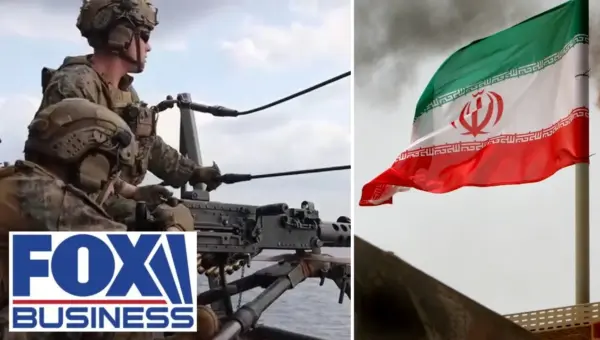
The Pentagon is reportedly weighing a significant troop increase of 10,000 soldiers to the Middle East, potentially escalating tensions with Iran. This move comes amid reports of U.S. precision strikes and interceptions of Iranian missiles by allies, raising concerns about regional stability and global oil supplies.
Iran Conflict Sparks Market Volatility, Experts Weigh In
Geopolitical tensions in the Middle East have rattled global markets, with stocks falling and safe-haven assets like the U.S. dollar strengthening. Experts suggest the market may have overreacted, creating potential buying opportunities, but warn of a "bumpy journey" ahead due to infrastructure damage and potential oil shortages. Concerns also linger about the Federal Reserve's independence amidst political commentary.

Iran War Sparks Nuclear Fears: Is a Global Arms Race Brewing?
The conflict in Iran has heightened global fears of nuclear proliferation and a potential arms race. Experts warn that Iran may pursue nuclear weapons if its current deterrence fails, while historical examples show the dangers of unchecked nuclear ambitions. The world faces uncertain scenarios, ranging from renewed diplomatic efforts to a dangerous escalation of nuclear threats.