Iran Strikes Israel, Widening Conflict Zone
Iran has directly attacked Israel with missiles for the first time, causing significant casualties and demonstrating a wider reach with strikes in the Indian Ocean. This escalation challenges Israel's air defenses and brings European cities into potential range, signaling a dangerous new phase in the conflict.


Iran Strikes Israel, Widening Conflict Zone
For the first time, Iran has launched a direct missile attack on Israel, causing a mass casualty event. This escalation marks a significant turning point in the ongoing conflict, moving beyond regional skirmishes to direct confrontation between the two nations. The strikes hit two locations in Israel: the southern city of Arad and Dimona, which houses a nuclear facility. While the full extent of casualties is still being assessed, Israeli sources report at least 100 injuries, with the bulk believed to be non-fatal.
Iron Dome Fails Against New Threat
What is particularly concerning is that Israel’s advanced Iron Dome air defense system, which has successfully intercepted most previous Iranian missile and drone attacks, failed in this instance. This allowed Iranian missiles to strike their targets directly. Israeli authorities are currently sifting through the rubble to account for everyone affected. This event is a stark reminder of the evolving nature of the conflict and Iran’s increasing capabilities.
Iran Expands Reach, Targets Diego Garcia
Iran’s aggression has not been limited to Israel. The nation also launched two missiles targeting the American and UK base on Diego Garcia, an island in the Indian Ocean. This move demonstrates Iran’s intent to expand its target range significantly. The missiles used are capable of traveling approximately 4,000 kilometers. This extended range means that major European cities, not just those in the Middle East, are now within Iran’s potential reach.
US and Israel Continue Counter-Strikes
In response, the United States and Israel are continuing their own escalatory actions with strikes inside Iran. One such strike hit the Natanz nuclear enrichment site, a facility that was also targeted last year. Despite talk of a potential winding down of hostilities, the kinetic actions on the ground show a clear escalation from all parties involved.
Trump Threatens Retaliation Over Strait of Hormuz
Adding another layer of tension, former President Donald Trump issued a warning on his social media platform, Truth Social. He threatened to strike and obliterate Iran’s power plants, starting with the largest, within 48 hours if Iran does not release its grip on the Strait of Hormuz. This statement from a prominent US political figure adds a new dimension to the already volatile situation.
Global Impact: A Widening Battlefield
This direct Iranian strike on Israel and the extended range of its missile capabilities reshape the geopolitical landscape. The conflict is no longer confined to proxies or regional skirmishes; it has become a direct confrontation between Iran and Israel, with the US and UK also drawn in. The potential reach of Iranian missiles now threatens a wider swathe of the globe, including Europe, raising concerns about a broader, more dangerous conflict.
Historical Context: A New Chapter in Middle East Tensions
The Middle East has a long history of complex rivalries and conflicts. However, Iran’s direct missile attack on Israel represents a departure from previous patterns. While proxy conflicts have been common, this marks a significant escalation in direct state-on-state aggression. The failure of the Iron Dome also highlights the need for continuous adaptation in defense strategies in this volatile region.
Economic Leverage: Strait of Hormuz Under Threat
The Strait of Hormuz is a critical chokepoint for global oil supplies. Iran’s actions and threats related to this waterway have significant economic implications. Any disruption to oil flow through the strait could lead to global energy price spikes and economic instability. Trump’s threat to target Iran’s power plants also highlights the potential for economic warfare alongside military action.
Future Scenarios: Escalation or De-escalation?
Several scenarios could unfold. One possibility is a continued cycle of retaliatory strikes, leading to a full-blown regional war. Another is a diplomatic intervention, possibly by international powers, to de-escalate tensions. However, given the current trajectory, further kinetic actions seem likely in the short term. The involvement of former President Trump’s direct threat also introduces an unpredictable element into the mix.
Source: Israel reports dozens of injuries after Iranian missiles hit 2 sites | NewsNation Prime (YouTube)

Related Articles


Iran’s Missile Threat Reduced by 90%, Analyst Says
An analyst reports that Operation Epic Fury has degraded Iran's missile launchers by 90%, despite challenges in targeting hidden sites. The conflict's duration and media coverage are also discussed, with implications for global energy markets and investor confidence.
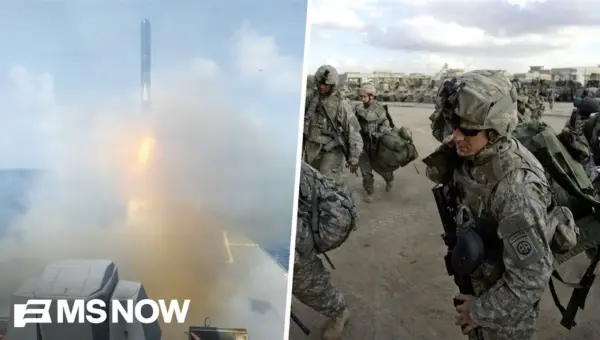
Iran Missile Strikes Injure US Troops, Raise War Concerns
Iranian missile strikes have injured U.S. service members, escalating tensions as the conflict nears one month. The attacks are raising concerns about the effectiveness of U.S. military strategy and the depletion of crucial missile stockpiles. Global oil prices have surged, impacting economies worldwide.

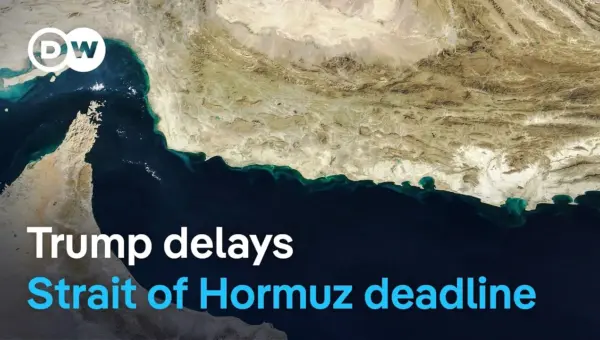
Trump Delays Iran Strike Deadline Amidst Shifting Diplomacy
President Donald Trump has extended his deadline for potential strikes on Iranian energy plants to April 6th, amid reports of U.S.-Iran diplomatic talks mediated by Pakistan. This move comes as Israel continues its strikes on Iran and the U.S. deploys additional military assets to the region. Analysts point to mixed signals, economic pressures, and strategic miscalculations as key factors shaping the evolving situation.