Iran Strikes Israel, Gulf Nations Amid Escalating Regional Conflict
Iran has launched significant strikes against Israel and Gulf Arab nations, escalating regional tensions. U.S. and Israeli forces report decisive victories, claiming to have crippled Iran's military. However, Iran asserts it has hidden weapon stockpiles, raising questions about the true extent of damage.

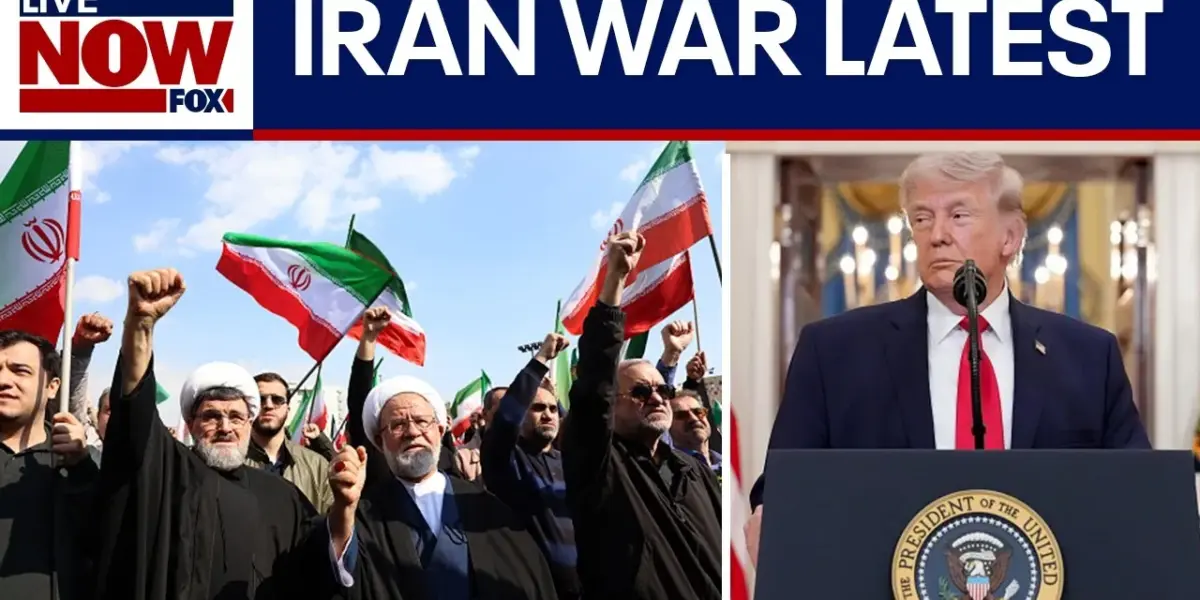
Iran Launches Major Strikes Across Middle East
Iran launched significant missile and drone attacks targeting Israel and several Gulf Arab nations, including the United Arab Emirates and Bahrain, on Tuesday. The strikes, part of an ongoing military operation that has entered its second month, have intensified a regional conflict that has drawn in global powers. Explosions were reported in Dubai as air defenses worked to intercept incoming barrages, while sirens sounded in Bahrain, home to the U.S. Navy’s Fifth Fleet.
U.S. and Israel Report Decisive Victories
President Trump announced in a national address that U.S. forces have achieved “swift, decisive, overwhelming victories” against Iran over the past four weeks. “Tonight, Iran’s Navy is gone. Their air force is in ruins,” President Trump stated, emphasizing the decimation of Iran’s military capabilities. U.S. Central Command (Centcom) released videos showing ongoing operations, with Commander Admiral Brad Cooper assessing that “undeniable progress” is being made. “We don’t see their Navy sailing. We don’t see their aircraft flying and their air and missile defense systems have largely been destroyed,” Admiral Cooper reported.
Iran Claims Hidden Military Assets
Despite claims of widespread destruction, a spokesperson for Iran’s military, Lieutenant Colonel Ibrahim Zolagari, asserted that the country possesses hidden stockpiles of arms and munitions. “The centers you think you have targeted are insignificant, and our strategic military productions take place in locations of which you have no knowledge and will never reach,” Zolagari stated. This assertion suggests Iran may maintain significant hidden military production and storage capabilities, posing a challenge for intelligence agencies.
Expert Analysis: Bluster Meets Strategic Reality
Mark Chandler, a former senior defense intelligence official and Director of Government Relations at Coastal Carolina University, offered insight into Iran’s claims. “You’ve got to look at how Iran is going to focus on the bluster and really try to stand up and not show any weakness,” Chandler explained. However, he acknowledged that Iran does possess extensive underground storage and production facilities. “We know that our intelligence has been working on trying to find every aspect of that,” he added. Chandler believes that while Iran uses bluster, there is a basis of truth in their claims about underground capabilities, which will require continued intelligence efforts to locate and neutralize.
Strategic Objectives and Timeline Concerns
President Trump indicated that the operation, dubbed “Epic Fury,” could take another two to three weeks to fully complete, aiming to dismantle Iran’s regime. Chandler expressed reservations about publicly setting timelines for military operations. “If we’re publicly telling the adversary… you know, we’re giving you two weeks and then we’re going to fight you for that and then we’re going to ease up after that. All they know they’ve got to do is hold out for two weeks,” he cautioned. He stressed that military operations are fluid and dynamic, and timelines should not be publicly disclosed to the adversary.
Broader Regional Implications and Support
The conflict has also highlighted the role of Iran-backed groups like Hezbollah, which are launching strikes against Israel. Chandler described Hezbollah as an “extension of Iran” in the region. Regarding Gulf Arab nations, Chandler noted that while they offer private encouragement for the operation, they are hesitant to engage publicly. “It’s part of the Arab culture and how I deal with my adversary. You know, they may fight them, but I’m not going to talk about them publicly,” he explained. He also suggested that these nations might be hedging their bets, privately communicating with Iran in case the regime survives.
The Strait of Hormuz: A Lingering Concern
Control over the Strait of Hormuz remains a key strategic point. President Trump insists the strait can be taken by force, but called for other countries to show “delayed courage” and act. Chandler noted that while the U.S. has the capability to secure the strait, current offensive operations limit its capacity. He urged allies to step up and help manage the strait’s security, suggesting Gulf nations like the UAE and Saudi Arabia could play a role. “We just have to figure out a way to get them in there without creating more problems for our operations out there,” he stated.
Future Outlook: Cracks in the Regime?
Chandler views the current situation as a potential turning point. “We could be reaching a culminating point… starting to create a crack,” he said, referring to the Iranian regime. He emphasized that 47 years of indoctrination have created deep-rooted control, and breaking through requires targeting the Islamic Revolutionary Guard Corps (IRGC) and key political figures. The success of the operation may hinge on creating a significant crack in the regime’s structure, allowing for popular dissent. The coming weeks will be crucial in determining if the military gains translate into lasting political change and the stabilization of the region.
Source: Iran launches strikes at Israel, Gulf Arab nations (YouTube)

Related Articles

Iran Claims Jet Downed, Escalates Regional Attacks
Iran claims it shot down a U.S. fighter jet, marking a significant escalation in regional tensions. The U.S. has been targeting Iranian infrastructure, while Iran and its allies have launched retaliatory strikes across the Middle East, impacting oil facilities and causing injuries. The critical Strait of Hormuz remains a key point of contention.
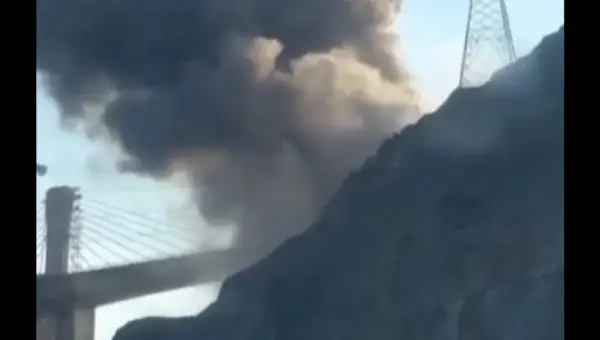
Trump Escalates Iran Tensions, Targets Infrastructure
President Trump has warned of intensified strikes against Iran, targeting infrastructure like bridges and power plants. This strategy aims to pressure the regime into peace talks, though Iranian officials condemn it as an attack on civilian life. U.S. officials state the strikes target military supply routes to undermine Iran's capabilities.
Iran Bridge Strike: US Hits Civilian Infrastructure, Causes Deaths
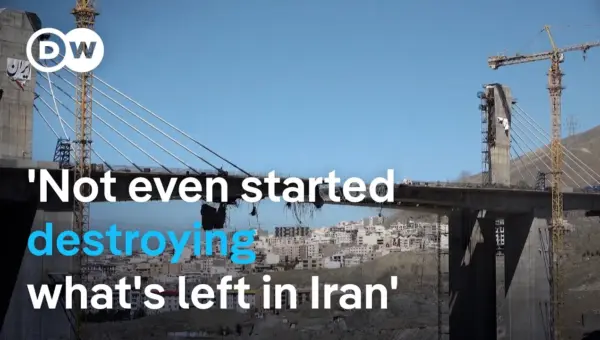
A US airstrike has destroyed Iran's tallest bridge, killing eight and wounding 95. The attack, called a strike on civilian infrastructure by Iran, follows escalating threats from President Trump. Experts warn that targeting power plants and healthcare facilities could lead to a severe humanitarian crisis and potential war crimes.