Iran Strikes Israel: Did US Jet Evade Missile Attack?
Iran launched significant ballistic missile attacks on Israel, bypassing air defenses. Meanwhile, claims of Iran downing a US fighter jet appear to be propaganda, with evidence suggesting the jet evaded attack. US bombing operations continue, and threats of a ground invasion raise concerns about further escalation.


Iran Strikes Israel: Did US Jet Evade Missile Attack?
On April 2nd, reports emerged of significant missile strikes hitting Israel. These weren’t small attacks; they were described as massive ballistic missiles that managed to breach Israel’s air defense systems. This happened while the United States continued its own extensive bombing operations in the region. Adding another layer to the unfolding events, Iranian state media claimed that an American fighter jet, possibly an F-35, was engaged by Iranian air defenses. This report will look at the details of these events and what they could mean.
Ballistic Missiles Breach Israeli Defenses
Videos circulating online showed what appeared to be ballistic missiles striking targets within Israel. The footage captured powerful explosions and intense shock waves, indicating the force of the warheads. One clip showed a missile streaking through the sky before impacting, causing a massive fireball. Another video captured a similar explosion in the distance. While the exact number of missiles that got through and the extent of any damage or casualties were not immediately clear, the fact that these advanced air defense systems were penetrated is significant.
There were also reports that Israel’s air defense systems might be running low on interceptors, a detail that could explain why some of these missiles were successful. This situation remains fluid, with information coming in as events unfold.
Iranian Claims of Downing a US Jet
Iranian state media released a video they claim shows a US fighter jet being shot down near Qeshm Island. The footage shows a jet in the air, with flares being deployed. However, an analysis of the video suggests a different story. The jet appears to be deploying countermeasures, like flares, to evade incoming threats. The video ends without any clear sign of a missile strike or the jet crashing. This suggests the jet might have successfully evaded attack rather than being shot down.
This isn’t the first time Iranian state media has made claims about shooting down Western aircraft. In the past, similar claims have not proven to be true. While the video itself might be authentic, the narrative surrounding it – that a US jet was downed – appears to be propaganda. The analysis suggests the jet, possibly an F-35 or F-18, took evasive action and escaped. In contrast, footage also showed a successful US interception of an Iranian Shahed drone, highlighting the ongoing air battles.
Threats of Ground Invasion and US Military Strength
Amidst the aerial exchanges, there are also concerning threats regarding a potential ground invasion. An Iranian spokesperson reportedly stated they would create a “slaughterhouse for the Americans” in a ground operation, aiming to instill fear for generations. They vowed to deliver a lesson never to be forgotten.
In response to these threats, there’s a strong assertion of US military capability. The United States military is described as having highly trained and combat-hardened personnel, superior resources, advanced technology, and better overall training compared to Iranian forces. Elite units like the Army Rangers, 82nd Airborne, Delta Force, Seal Team Six, and the US Marines are highlighted as being prepared for any mission. The message is clear: any confrontation with the US military is likely to result in severe consequences for those involved.
Evidence of potential US ground operations is emerging. The 82nd Airborne’s “All-American Week” event at Fort Bragg was canceled due to “competing requirements.” This cancellation is likely because troops from the 82nd Airborne are being deployed to the Middle East or placed on standby, signaling a mobilization. The arrival of 18 A-10 Warthog aircraft in England, en route to the Middle East, also points towards preparation for ground support operations.
US Bombing Campaign Continues
The United States’ bombing campaign remains active and appears to be targeting key infrastructure and military assets. Recent footage shows the aftermath of strikes on a major bridge in Iran, described as the “B1 bridge,” which is crucial for cutting off the country. The bridge is seen heavily damaged and engulfed in smoke, indicating a significant loss for the Iranian regime.
Other targets include airports, with new footage showing heavy smoke and massive fireballs rising from what is identified as Mashhad Airport. Additionally, American bombers have hit underground facilities. Videos from these strikes reveal secondary explosions, suggesting that missiles and drones hidden within these underground sites were detonated. The killing of senior Iranian military officials, such as IRGC Colonel Rahulla Makani, also continues, indicating a systematic effort to degrade Iranian leadership and capabilities.
Why This Matters
The events of April 2nd demonstrate a significant escalation in the ongoing conflict. Iran’s successful missile strikes on Israel, bypassing advanced defenses, show a growing capability that challenges regional security. The claims and counter-claims regarding the US fighter jet highlight the intense information warfare accompanying the physical conflict. Furthermore, the overt threats of a ground invasion, coupled with US military preparations like troop deployments and aircraft movements, suggest the conflict could expand into a more direct and potentially devastating ground war.
Implications, Trends, and Future Outlook
This situation points to several worrying trends. First, the increased use of ballistic missiles by Iran represents a serious escalation, potentially destabilizing the region further. Second, the ongoing US bombing campaign, targeting infrastructure and leadership, indicates a strategy of attrition. Third, the rhetoric surrounding a potential ground invasion, backed by visible military preparations, raises the specter of a large-scale conflict. The effectiveness of US airpower and drone technology is evident in the destruction of targets, but the potential for a protracted ground conflict remains a significant concern.
The future outlook is uncertain. The conflict could de-escalate if diplomatic efforts succeed, or it could spiral into a wider regional war. The involvement of the US military in direct strikes and the potential for ground operations signal a deepening commitment. The information war, with conflicting reports and propaganda, will likely continue to shape perceptions and influence international responses.
Historical Context and Background
The current tensions are part of a long-standing and complex geopolitical struggle in the Middle East. Iran and Israel have been engaged in a shadow war for years, often through proxy forces and cyberattacks. The United States has been a key player in the region, supporting Israel and maintaining a military presence aimed at countering Iranian influence and protecting its interests.
Recent events, including the attack on an Israeli-linked facility in Damascus and subsequent retaliatory strikes, have brought these tensions to a boiling point. The use of ballistic missiles by Iran marks a departure from previous tactics, indicating a willingness to engage in more direct and potentially devastating attacks. The US response, characterized by continued bombing and troop movements, suggests a readiness to counter these actions forcefully.
The cancellation of the 82nd Airborne’s event and the deployment of A-10s are not isolated incidents but part of a broader pattern of military readiness and potential intervention. The history of US involvement in the Middle East, including ground operations, looms large as a backdrop to these developments.
As of April 2nd, the situation remains highly volatile. Massive explosions were reported in Israel following missile strikes, and claims of engaging a US jet are circulating. The US bombing campaign continues, and threats of ground operations are being made. The coming days and weeks will be critical in determining the trajectory of this escalating conflict.
Source: Iran HAMMERS Israel With HUGE Missile – U.S. Stealth Fighter ENGAGED (YouTube)

Related Articles

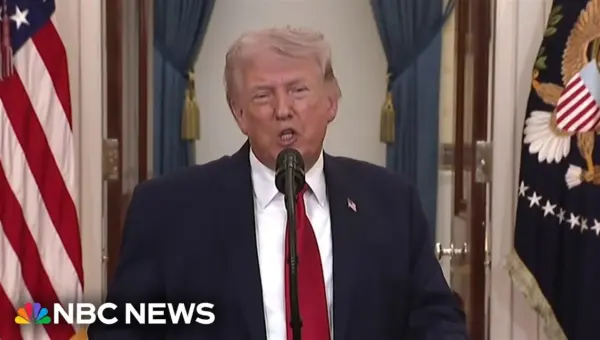
Trump Addresses War with Iran, Offers Few Details on Exit
President Trump addressed the nation regarding the ongoing war with Iran, offering praise for U.S. military actions but providing few concrete details on an exit strategy. He reiterated threats against Iran's civilian infrastructure and placed responsibility for securing the Strait of Hormuz on allied nations, while market indicators show continued oil price volatility.


Trump’s Base Crumbles: Veterans Voice Growing Discontent
Veteran advocates and political commentators are observing a significant weakening in Donald Trump's core support base. Issues like the Epstein case, unpopular immigration policies, and concerns over Iran are fueling widespread disillusionment among voters who once backed the president. Influential voices within the community are publicly expressing their discontent, signaling a potentially shrinking, though still loyal, group of supporters.


Trump Declares Iran No Longer a Mideast Bully
Former President Donald Trump asserted that Iran is no longer a threat to the Middle East following a recent 32-day military operation. He compared this swift action to longer historical U.S. military engagements, claiming Iran has been "eviscerated." This statement offers insight into a potential foreign policy approach favoring decisive military strikes.