Iran Strikes Israel: A New Chapter in Conflict Unfolds
Iran launched significant missile and cluster munition attacks against Israel, prompting retaliatory strikes from the U.S. The conflict highlights evolving warfare tactics and the strategic importance of the Strait of Hormuz, with political figures offering contrasting views on de-escalation and future negotiations.

Iran Strikes Israel: A New Chapter in Conflict Unfolds
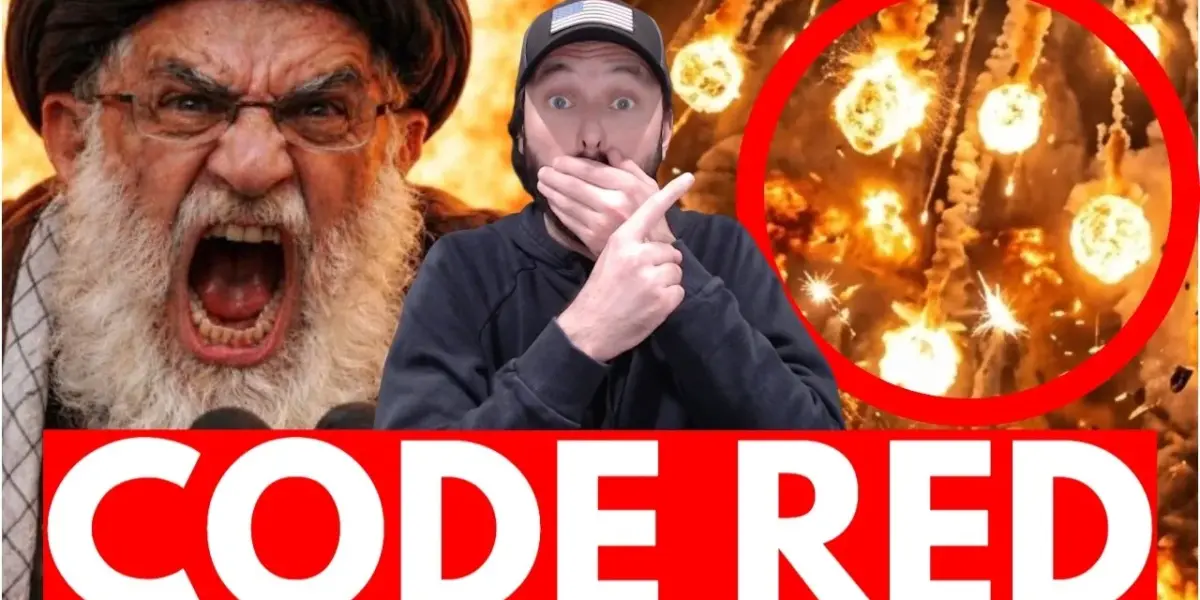
On March 24th, a series of missile and cluster munition attacks launched by Iran against Israel marked a significant escalation in their ongoing conflict. The strikes, which reportedly caused extensive damage, included both conventional ballistic missiles and cluster munitions raining down on Israeli territory. Exclusive footage captured the intense moments as sirens wailed and munitions fell, with one clip showing cluster bombs descending directly above the cameraman. Another video depicted a ballistic missile impact after interception attempts failed, highlighting the destructive power unleashed.
Air Defenses Tested
The attacks put Israeli air defenses under severe strain, with multiple waves of munitions hitting their targets. Footage also emerged of retaliatory strikes by the United States, targeting missile launchers in western Iran. Centcom announced it had struck thousands of military targets, aiming to degrade Iran’s combat capabilities. These actions demonstrate a clear tit-for-tat exchange, with both sides seeking to inflict maximum damage on the other’s military infrastructure.
The Strait of Hormuz: A Strategic Flashpoint
Adding to the rising tensions, reports indicated that the Royal Navy would lead a coalition, alongside the U.S. and France, to reopen the Strait of Hormuz. This vital waterway has seen dozens of mines reportedly placed, threatening global shipping. The deployment of mine-clearing units signals a commitment to maintaining freedom of navigation in this critical chokepoint, suggesting the conflict’s reach extends beyond direct military exchanges.
Political Soundbites and Shifting Dynamics
Amidst the military actions, political figures offered their perspectives. Former President Donald Trump made several statements, suggesting that Iran might have agreed to forgo nuclear weapons development through negotiations. He also alluded to a significant, non-nuclear “gift” from Iran related to oil and gas, which he interpreted as a sign of dealing with the “right people.” These comments, while intriguing, remain largely unsubstantiated and open to interpretation.
Pentagon’s Stance
Secretary of War Pete Hegseth described the ongoing campaign against Iran’s military as historically devastating, stating it was one “for the history books.” He emphasized that the U.S. military, under President Trump’s direction, was empowered to engage the enemy aggressively. Hegseth affirmed the Pentagon’s commitment to maintaining pressure on Iran until its interests are achieved, stating, “The War Department agrees our job is to ensure that and so we’re keeping our our hand on that throttle – as long as hard as is necessary to ensure the interest of the United States of America are achieved on that battlefield.” This stance suggests a prolonged engagement aimed at fundamentally altering Iran’s strategic posture.
Why This Matters
The recent exchanges between Iran and Israel, along with U.S. involvement, represent a critical juncture in Middle Eastern geopolitics. The use of advanced weaponry like ballistic missiles and cluster munitions by Iran, and the subsequent U.S. counter-strikes, highlight the evolving nature of modern warfare. The situation underscores the fragility of regional stability and the potential for wider conflict. The strategic importance of the Strait of Hormuz also means that any disruption there could have global economic consequences, affecting oil prices and supply chains worldwide.
Historical Context and Trends
The current conflict is rooted in decades of animosity and proxy warfare between Iran and Israel, often playing out in the shadows through cyberattacks, assassinations, and support for regional militant groups. Direct military confrontation, however, has been less common. This recent escalation, featuring overt missile strikes, represents a significant departure from previous patterns. The involvement of the U.S. military in direct strikes against Iranian targets also signals a more assertive American policy in the region, potentially drawing parallels to past interventions.
Future Outlook
The immediate future remains uncertain. While both sides appear to be engaged in a cycle of retaliation, the potential for de-escalation exists, particularly if diplomatic channels, however strained, can be utilized. The comments from former President Trump, if they reflect any genuine diplomatic progress, could offer a path forward, though this remains speculative. However, the continued military posturing and the deep-seated animosity suggest that tensions will likely persist. The effectiveness of sanctions and military pressure, as advocated by figures like Hegseth, will be a key factor in shaping Iran’s future actions and the broader regional security landscape. The international community will be watching closely to see if this exchange leads to a broader war or a tense, but managed, period of continued hostility.
Source: Iran SHOCKS Israel With SAVAGE Missile Strike | EXCLUSIVE FOOTAGE (YouTube)

Related Articles


US Cardinal’s Papal Upset Redraws Vatican Influence
Pope Francis's election defied expectations, including his own, as an American cardinal believed an "American" Pope was unthinkable. The swift conclave surprised many, highlighting the unpredictable nature of papal selections and signaling a potential shift in the Church's global direction.


Mexico Navigates US-China Rivalry
Mexico is caught in a geopolitical tug-of-war between the United States and China. The nation must carefully balance its economic needs and strategic interests with both superpowers. This situation highlights Mexico's growing importance in global affairs.

Europe Strikes New Trade Deals, Eyes Global Influence
The European Union is actively forging new trade alliances, notably with South American nations like Brazil, to reduce reliance on China and the US. Driven by the need for critical resources like rare earth metals and the desire to boost its own industries, Europe is making strategic concessions and seeking new markets, despite facing internal criticism and a changing global economic landscape.