Iran Strikes Gulf, Oil Prices Soar Amid Mideast Conflict
Iran has escalated its strikes on energy sites in the Middle East, sending crude oil prices soaring past $116 a barrel. The conflict's impact on global markets and U.S. policy is under intense scrutiny, while record heatwaves and wildfires grip the western United States. New allegations of sexual abuse have also emerged against civil rights icon Cesar Chavez.


Middle East Conflict Escalates, Oil Prices Surge
The ongoing war in the Middle East intensified overnight as Iran launched strikes on energy sites in neighboring Gulf states. A key facility in Qatar was targeted, reportedly in retaliation for an Israeli attack on a major Iranian gas field. This escalating conflict sent crude oil prices soaring past $116 a barrel, a nearly 10% jump in a single day, as global anxiety over oil supply grows.
Iran’s President confirmed the death of the country’s intelligence minister, calling it a “cowardly assassination” by Israel. This follows the earlier killing of Iran’s top national security official and the head of its Basij force in Israeli airstrikes. The situation remains highly volatile, with significant political and economic fallout expected.
US Response and Congressional Action
In the United States, President Trump attended a dignified transfer ceremony at Dover Air Force Base, honoring six U.S. service members who died in an aircraft crash in Iraq. A total of 13 U.S. service members have now been killed since the conflict with Iran began, with two others dying from non-combat causes.
U.S. forces have also been active, unleashing bunker buster bombs targeting Iran’s anti-ship cruise missile launchers along the Strait of Hormuz. Meanwhile, in Washington, the Senate voted to reject a war powers resolution. This resolution would have directed the President to withdraw U.S. forces from the conflict without an official declaration of war, signaling a division in congressional views on the ongoing hostilities.
Diplomatic Tensions and Energy Markets
NBC News Chief International Correspondent Keir Simmons reported from Riyadh, Saudi Arabia, where a meeting of foreign ministers from Arab and Islamic countries was underway. Simmons described the surreal experience of hearing missile booms over the capital city while diplomats gathered, highlighting the immediate danger faced by the region.
“I’ve not had a long enough diplomatic career to have experienced such blatant an attempt at blackmail as firing missiles while a diplomatic gathering is taking place,” stated the Saudi Foreign Minister. “It was clear that the attack today was timed to coincide with this meeting in order to attempt, I don’t know, to intimidate those present, to send home the message that Iran will not stop. All I can say is we were not intimidated.”
The Saudi minister emphasized that the prevailing mood among Gulf countries is that they are nearing a point of no return with the Iranian regime, making trust difficult to regain. The focus remains on preventing Iran from further threatening these nations.
The Critical Role of Oil and Gas
The conflict’s impact on global energy markets is a central concern. President Trump issued a warning, calling on Israel to cease attacks on Iran’s major gas field, which is the world’s largest and shared with Qatar. He threatened to “massively blow up the entirety of that natural gas field” if Iran continues to attack Qatar’s energy infrastructure.
This exchange underscores the interconnectedness of the energy sector. The strike on Iran’s South Pars gas field, shared with Qatar, led to Iran’s retaliatory strikes on Qatar’s Ras Laffan gas facility, causing gas prices to surge. The situation represents a moment of profound danger and potential escalation.
Intelligence Community Under Scrutiny
On Capitol Hill, National Intelligence Director Tulsi Gabbard faced tough questions regarding the intelligence supporting President Trump’s rationale for initiating the war with Iran. When pressed by lawmakers, Gabbard declined to confirm if Iran’s nuclear program posed an imminent threat, a key claim repeatedly made by the President.
Gabbard stated that it is the President’s role to determine what constitutes an imminent threat, not the intelligence community’s. This exchange led to accusations of evasion, with some suggesting her responses contradicted White House statements and aimed to protect her position within the administration. The testimony came shortly after Joe Kent, a former Director of the National Counterterrorism Center and Trump ally, resigned, stating Iran was not on the verge of obtaining a nuclear weapon. Kent is reportedly under FBI investigation for allegedly leaking classified information.
Congressional Authority and Economic Outlook
The Senate’s narrow rejection of the war powers resolution means President Trump can continue military operations in Iran without explicit congressional authorization. This development is particularly significant as the administration reportedly considers deploying ground troops.
The Federal Reserve kept interest rates unchanged, but Fed Chair Jerome Powell acknowledged the war’s potential impact on the economy. Powell warned that higher energy prices would likely push inflation up in the near term. However, he stressed that the long-term effects remain uncertain, stating, “We just don’t know.”
Experts suggest that sustained oil prices between $100 and $120 a barrel could lead to a serious slowdown in economic growth. Prices exceeding $120 for an extended period could result in stagflation, characterized by slow growth and rising prices, or even a recession. While the stock market has shown some volatility, it has not yet reacted as severely as some anticipated, though overseas markets have seen more significant drops.
Record Heat and Wildfires Grip the West
Beyond the geopolitical tensions, the western United States is experiencing a severe and unseasonably early heatwave. Millions of people are under heat alerts, with some areas bracing for triple-digit temperatures not typically seen until summer. Cities like Tucson and Phoenix have recorded their first 100-degree days in winter months.
The extreme heat has led to heat-related rescues and the closure of city trails. Spring training baseball games have been moved to cooler evening hours. In Nebraska, warm, dry, and windy conditions are fueling massive wildfires, some of which have turned deadly.
Allegations Against Cesar Chavez Emerge
Disturbing new allegations have surfaced against the late civil rights icon Cesar Chavez. Dolores Huerta, who co-founded the United Farm Workers union with Chavez, revealed in a statement that he sexually assaulted her twice decades ago. Huerta claims these encounters resulted in two children who were subsequently placed with other families.
These accounts were detailed in a New York Times investigation, which also included claims from two other women who allege sexual abuse by Chavez, beginning in their early teens. While NBC News has not independently corroborated these claims, the Times reported extensive evidence supporting the women’s accounts through interviews and documents. Chavez’s family has acknowledged the allegations, calling them deeply painful and expressing wishes for peace and healing for the survivors.
Source: This Morning’s Top Headlines – March 19 | Morning News NOW (YouTube)

Related Articles
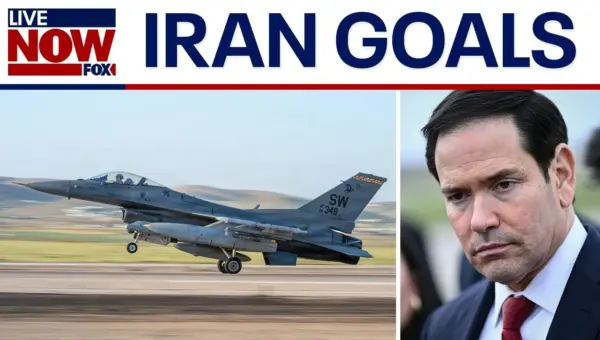
Rubio: US Can Achieve Iran War Goals Without Troops
Senator Marco Rubio outlined a strategy to counter Iran without deploying U.S. ground troops, focusing on weakening the regime and enhancing maritime security. He also criticized Cuba's economic system and expressed concerns about West Bank violence.


House Republicans Reject Senate Deal, Sparking Government Funding Clash
House Republicans have rejected a Senate bill to end the government shutdown, citing insufficient border security measures. Congressman Randy Fine called the Senate deal a "disgrace" and highlighted the ongoing fight for full government funding. President Trump's executive order to pay TSA agents offers temporary relief, but the core disagreement over border security continues to paralyze Washington.


Israelis Forge Resilience Amidst Constant Bomb Shelter Drills
Life in Israel is a blend of resilience and constant vigilance, with many families adapting to frequent bomb shelter drills and even sleeping in makeshift shelters. Despite ongoing missile attacks, Israelis strive to maintain normalcy, though businesses face disruption and emotional fatigue is a growing concern.