Iran Strikes Fuel Geopolitical Tensions, Disinformation Wars
Geopolitical tensions rise as a US fighter jet is reportedly shot down over Iran, amid allegations of a coordinated disinformation campaign potentially involving China. Meanwhile, the US economy shows resilience with strong job growth, and concerns mount over China's technological and trade practices, including alleged bullying of Panama and expanded tech restrictions.

Iran Strikes Fuel Geopolitical Tensions, Disinformation Wars
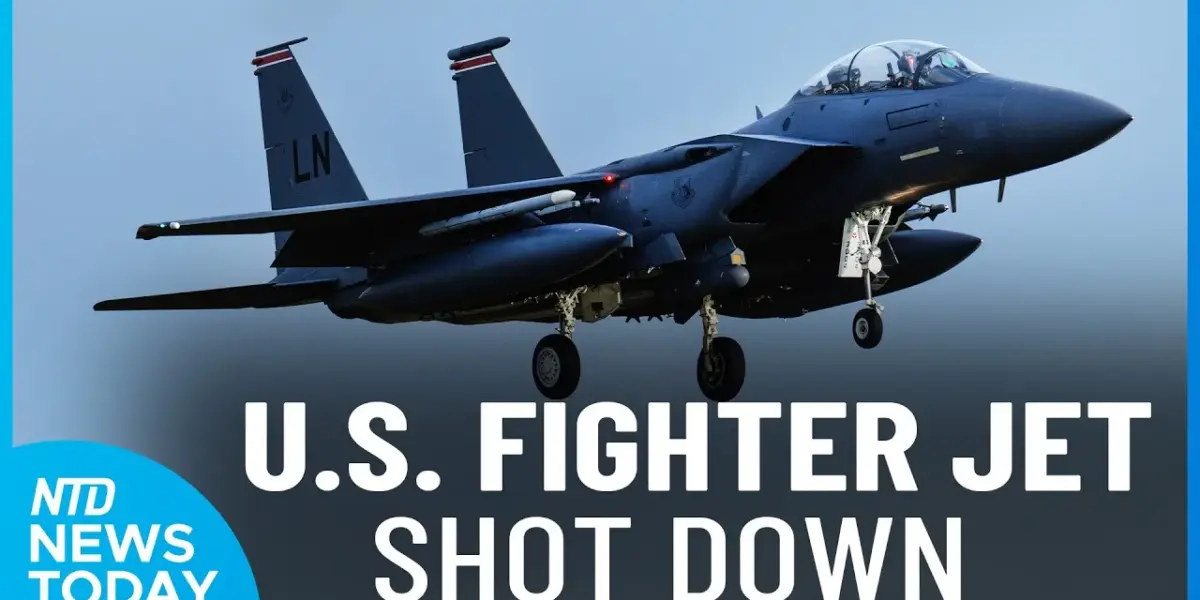
Reports emerged of a US fighter jet being shot down over Iranian airspace, a serious development in ongoing military operations. According to senior Israeli security officials, US search teams were dispatched, successfully rescuing one pilot while the search for a second continued. This incident marks the first time a US aircraft has been downed by hostile fire since the current hostilities began, highlighting significant risks for US and Israeli pilots operating over Iran.
The situation is further complicated by what is described as a coordinated disinformation campaign. This campaign allegedly uses AI-generated fakes and false narratives to downplay Iran’s actions and criticize US-Israeli operations. Analysts suggest that the Chinese Communist Party (CCP) may be involved in these efforts, aiming to protect its ally, Iran. While official confirmation from the US is pending, Iranian media released videos and photos that appeared authentic, potentially manipulated with help from Chinese computer specialists to portray Iran as victorious.
Tracking Digital Deception
Identifying CCP influence in this digital disinformation war is challenging. Experts look beyond the surface of videos and social media posts. They trace origins, analyze routing, and examine metadata to uncover ties to regions China has used for its own disinformation campaigns. This forensic approach reveals patterns that are not obvious to the average viewer.
Targeting Domestic Control
Beyond military sites, US-Israeli strikes have targeted infrastructure used by the Iranian regime to suppress its own people. These strikes have hit headquarters of the Basij militia and checkpoints used for oppression. While significant, the sheer scale of Iran’s domestic control apparatus, which mirrors China’s, means more sustained action is needed. The goal is to weaken the regime enough to allow the Iranian people a chance to protest and reclaim their country.
Disrupting the Axis
Weakening Iran has broader implications for the China-Russia-Iran alliance. A more open Iran could shift its orientation towards the West, impacting economic ties. Iran’s oil exports, often illegally funneled through China at discounted rates, are a key benefit to the CCP. Disrupting this flow diminishes China’s economic leverage. Furthermore, the unreliability of Chinese weapons in defending Iranian skies could signal to the Iranian people that China is not a dependable ally.
Understanding this conflict, both on the ground and in the information space, is crucial for Americans concerned about authoritarian expansion. For 47 years, Iran’s oppressive regime has stifled its people and economy. Its aggression has also imposed significant military and economic costs on the United States, including higher fuel prices and American lives lost. Ending the current Iranian regime could benefit not only the US but also the global economy.
“The United States stands with Panama against any retaliatory actions against its sovereignty and will always support our nations and our partners in the face of bullying.”
– Secretary of State Marco Rubio
US Economic Resilience Amidst Global Events
In contrast to geopolitical tensions, the US economy showed strong signs of recovery. The March jobs report indicated the addition of 178,000 new jobs, the largest increase in 15 months. This rebound followed a February decline and surpassed economists’ expectations. The unemployment rate also dropped to 4.3% in March. Key sectors driving job growth included healthcare, construction, and transportation. Conversely, the financial industry and federal employment saw job losses.
White House economic advisors described the jobs report as an “absolute blockbuster number.” They attributed this momentum to President Trump’s policies, including tax cuts, deregulation, and trade deals. The administration believes that short-term disruptions from international operations will not derail the US economic resurgence.
Canada’s Cultural Clash with Beijing
In Canada, a major cultural performance by the New York-based Shen Yun Performing Arts was shut down in Toronto due to a fake bomb threat. Organizers blamed the Chinese Communist Party, stating it’s part of a pattern of intimidation targeting Shen Yun’s performances, which showcase China before communism and highlight human rights abuses. Police deemed the threats not credible after multiple sweeps of the venue.
Shen Yun has reportedly faced over 150 such threats in the past two years, but this is the first time a hoax has led to performance cancellations. The group’s message aims to give a voice to those silenced in China, including individuals persecuted for their spiritual beliefs, like Falun Gong. This incident raises concerns about foreign interference in artistic expression within free societies.
Technology and Trade Restrictions on China
The US is increasing restrictions on Chinese technology, with the Federal Communications Commission proposing a broader ban on certain Chinese-made equipment due to national security concerns. This proposal expands previous restrictions on companies like Huawei and ZTE. The FCC aims to prevent new shipments of previously approved equipment from entering the country, though existing devices will remain usable. These actions reflect ongoing worries about surveillance and potential ties between Chinese tech companies and the government.
Furthermore, Secretary of State Marco Rubio accused China of bullying Panama by detaining or delaying Panama-flagged ships. This action followed Panama’s decision to take control of two ports from a subsidiary of a Hong Kong-based company with alleged ties to the CCP. Rubio stated that China’s actions destabilize supply chains and erode confidence in the global trading system.
Lunar Exploration and Sporting Events
NASA released stunning images of Earth captured by the Artemis 2 crew on their journey to the moon. The astronauts are on the first lunar mission in over 50 years, orbiting the moon before returning to Earth. Meanwhile, the sports world saw significant news, including NBA star Luka Dončić suffering a hamstring injury, potentially impacting the Lakers’ playoff push. In golf, Phil Mickelson announced he would miss the Masters due to a personal health matter, marking the first time in decades that neither Mickelson nor Tiger Woods will participate in the event.
College basketball is heading into its final stages, with both men’s and women’s tournaments reaching the Final Four. UConn remains a strong favorite in the women’s tournament, while the men’s tournament features closely matched teams like UConn and Illinois, and Arizona and Michigan. The New York International Auto Show also opened, showcasing unique vehicles like the “world’s fastest food truck” and custom performance cars, offering a glimpse into automotive innovation and enthusiast culture.
President Trump extended Passover wishes to the Jewish community, highlighting the holiday’s significance and America’s strength. In Barcelona, chocolatiers prepared traditional Easter treats called “monas,” showcasing artistic creations of chocolate and cake in vibrant colors and shapes.
Source: US Fighter Jet Shot Down Over Iran; US Economy Adds 178,000 New Jobs| NTD News Today April 3 (YouTube)

Related Articles
Iran Rejects US Talks After Fighter Jet Downed
Iran has rejected proposed talks with the U.S. in Pakistan following the downing of an American F-15 fighter jet inside Iranian territory. The incident complicates diplomatic efforts and raises questions about regional security and air defense capabilities.
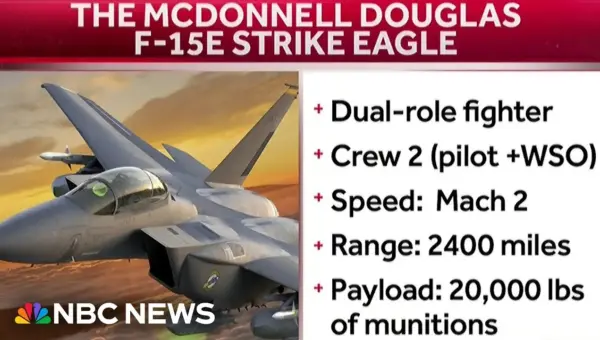
US Pilot Rescued After F-15 Jet Shot Down Over Iran
One U.S. pilot has been rescued alive after their F-15 fighter jet was shot down over Iran, U.S. officials confirmed. Search and rescue efforts are ongoing for a second pilot who remains unaccounted for. The incident challenges previous U.S. claims of full control over Iranian airspace.
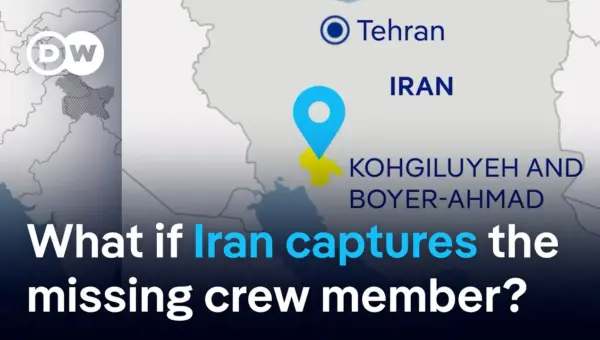
US Fighter Jet Downed in Iran; One Crew Member Rescued
A U.S. fighter jet was shot down over Iran, triggering a high-risk rescue mission. One crew member has been reportedly rescued, but the status of the second remains unknown. The incident raises questions about Iran's air defense capabilities and could impact U.S. public support for the ongoing conflict.