Iran Strikes Back, Challenging Trump’s War Strategy
Iran has responded to U.S. and Israeli strikes by launching ballistic missiles into Israel, directly challenging former President Trump's ultimatum. This escalation threatens to widen the conflict, impacting regional stability and global energy markets. Iran appears emboldened, controlling key shipping lanes and potentially gaining significant economic leverage.


Iran Strikes Back, Challenging Trump’s War Strategy
Tensions are soaring as Iran has responded forcefully to actions taken by the United States and Israel, leading to a dangerous escalation. This conflict, centered around Iran’s nuclear program and regional influence, has seen direct military exchanges. Iran has launched ballistic missiles, hitting cities in southern Israel. These strikes targeted areas like Deona, which hosts Israel’s nuclear facilities, and another city called Id. This response came shortly after the U.S. and Israel reportedly struck Iran’s nuclear facility at Natanz.
Trump’s Ultimatum and Iran’s Response
Following these events, former President Donald Trump issued a strong ultimatum. He declared that if Iran did not immediately open the Strait of Hormuz without threat, the United States would target and destroy Iran’s power plants, starting with the largest one. This threat was seen by some as an intention to attack civilian infrastructure, potentially leading to further escalation.
Iran’s military spokesperson indicated that any attack on their energy infrastructure would result in immediate retaliation against the energy and water facilities of U.S. allied Arab nations. This suggests a strategy to broaden the conflict and inflict significant damage on regional partners.
Economic and Diplomatic Angles
The conflict has significant economic implications. The U.S. has reportedly eased sanctions on Iranian oil, allowing Iran to gain substantial revenue. This comes as Iran has been able to control the Strait of Hormuz, disrupting global oil transport. Some observers note that Iran is now making bilateral deals with countries like India and potentially Japan, offering naval escorts through the strait for payment. This contrasts with earlier U.S. plans for allied escorts.
The situation has also impacted global markets. Oil prices have surged due to disruptions, while assets like Bitcoin and gold have seen declines. This economic instability adds another layer of complexity to the ongoing crisis.
Historical Context and Shifting Dynamics
The current conflict echoes past tensions over Iran’s nuclear program. The Obama administration’s nuclear deal, which included international inspections, was exited by the Trump administration. While the deal involved payments to Iran, critics often exaggerated these amounts. Now, reports suggest Iran is receiving significantly more revenue through oil sales due to eased sanctions, even as the U.S. is involved in military action against Iran.
Iranian officials appear emboldened by these developments. They have expressed a lack of interest in negotiations unless they receive reparations and security guarantees. This stance suggests Iran feels it has gained leverage through its actions and the current geopolitical climate.
Broader Regional Concerns
Beyond the direct exchanges between Iran, the U.S., and Israel, there are concerns about wider regional destabilization. Iran has threatened to target the energy and desalination infrastructure of Arab nations allied with the U.S. This could lead to severe water shortages in the region.
Furthermore, there is attention on the Red Sea, where Houthi rebels in Yemen, reportedly acting on orders from Iran, could disrupt shipping. Such actions could drastically increase global oil prices, potentially pushing them over $200 per barrel.
Critiques of Strategy and Leadership
Critics of the current approach question the objectives and effectiveness of the military actions. Intelligence suggests that Iran’s regime may be consolidating power rather than weakening, potentially led by more extreme elements. This outcome contrasts with stated goals of regime change or significant concessions.
The conduct of Donald Trump has also drawn criticism. His social media posts, including controversial remarks about deceased figures and financial boasts, have been seen as out of step with the gravity of the international crisis. His rhetoric has been described as inflammatory and potentially counterproductive to achieving diplomatic resolutions.
Why This Matters
The escalating conflict between Iran and the U.S./Israel has profound implications. It highlights the dangers of a direct confrontation that could draw in regional allies and disrupt global energy markets. The effectiveness of current strategies is being questioned, with some analysts suggesting that military actions may be strengthening Iran’s position and hardening its stance.
The situation underscores the complex interplay of military action, economic sanctions, and diplomatic engagement. Iran’s ability to strike targets in Israel and control key shipping lanes demonstrates its capabilities and willingness to challenge international pressure. The broader impact on global stability, energy prices, and humanitarian concerns in allied Arab nations makes this a critical issue to monitor.
Implications and Future Outlook
The current trajectory suggests a continued period of high tension and potential for further escalation. Iran’s confidence, fueled by perceived successes and the economic leverage gained from controlling shipping routes, indicates a strong resistance to external pressure. The U.S. and its allies face the challenge of deterring further aggression without triggering a wider, more devastating conflict.
The economic fallout, including soaring energy costs and market volatility, will likely impact nations worldwide. The humanitarian consequences for regions dependent on water desalination, if targeted, could be severe. The international community faces a critical juncture in managing this crisis, balancing security concerns with the imperative to avoid a catastrophic war.
Historical Context and Background
The roots of this conflict extend back decades, involving disputes over Iran’s nuclear ambitions, its regional influence, and U.S. foreign policy shifts. The 2015 Joint Comprehensive Plan of Action (JCPOA), or Iran nuclear deal, aimed to curb Iran’s nuclear program in exchange for sanctions relief. However, the U.S. withdrawal from the deal in 2018 and the reimposition of sanctions significantly altered the dynamics.
This period saw increased tensions, including attacks on oil tankers and U.S. military assets in the region, leading to a cycle of actions and reactions. Iran’s development of ballistic missile technology and its support for proxy groups have been central concerns for the U.S. and its allies. The current events represent a significant escalation within this long-standing geopolitical struggle.
Source: Trump PANICS as Iran REJECTS ULTIMATUM in WAR!!! (YouTube)

Related Articles
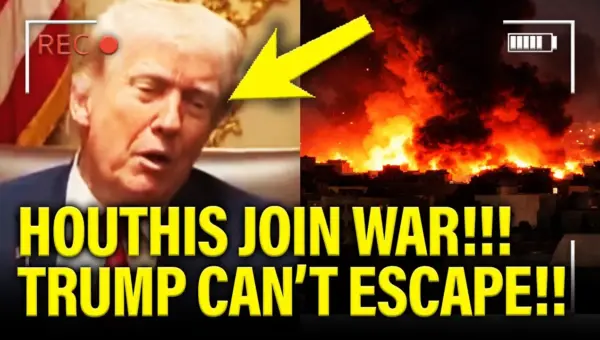
Iran Escalates Global Conflict, Threatens World Economy
Yemen's Houthi rebels have officially joined the conflict, launching ballistic missiles at Israel and escalating regional tensions. This move threatens vital shipping lanes like the Red Sea's Bab al-Mandab strait, potentially causing catastrophic economic consequences. Meanwhile, US soldiers have been injured in Iranian missile strikes, adding to the mounting human and financial costs of the escalating war.


Trump’s Iran Claims: Shocked or Deluded by War Games?
Donald Trump claimed surprise over Iran's actions in the Strait of Hormuz, but experts suggest retaliation was inevitable. Military war games likely predicted such a scenario, raising questions about the advice given to the President.
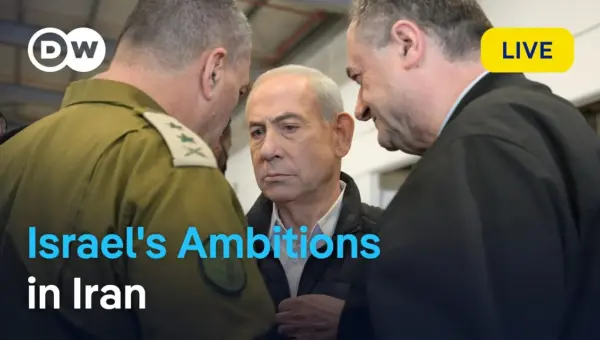
Israel’s Strategy Against Iran Revealed
Israel's strategy to counter Iran's nuclear ambitions and regional influence centers on containment, utilizing a mix of covert military actions, intelligence operations, and diplomatic pressure. Analysts highlight the growing urgency due to Iran's nuclear advancements, while also noting the persistent risk of escalation in the volatile Middle East.