Iran Strike Ignites China’s Succession Fears
A precision strike in Iran has sent shockwaves to Beijing, exposing deep-seated fears within the CCP about succession, internal trust, and regime stability. The leadership's unusual reactions suggest a profound impact on China's strategic calculations.

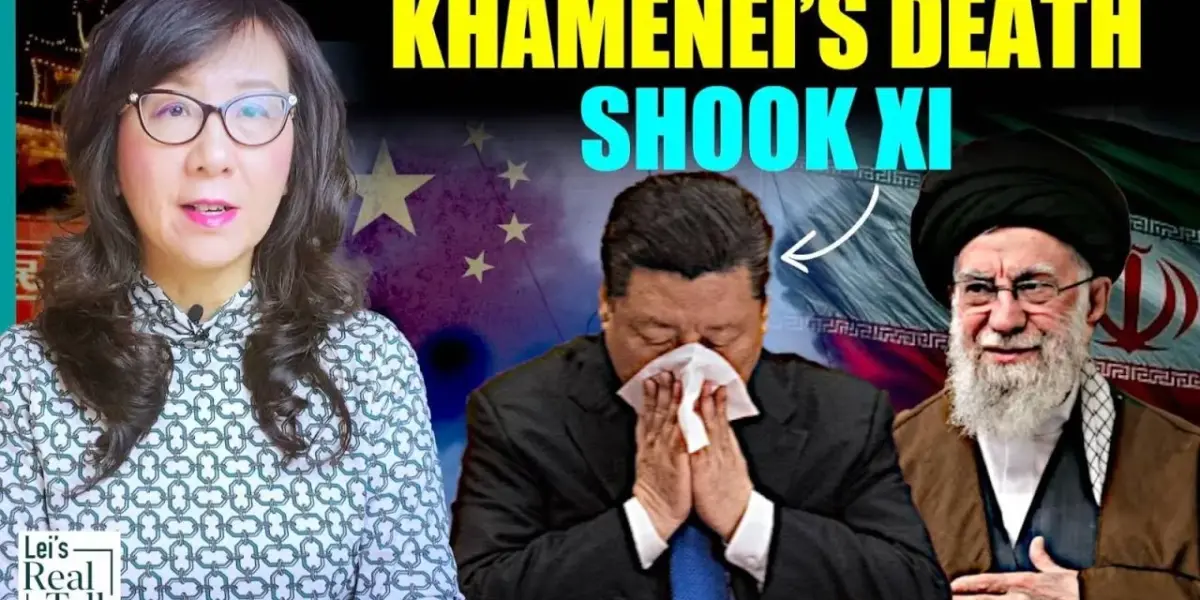
Iran Strike Ignites China’s Succession Fears
The sudden and seemingly precise U.S.-Israeli strike that eliminated Ayatollah Khamenei in Iran has sent seismic tremors through global geopolitical landscapes. While the immediate focus has been on the volatile Middle East, the reverberations within the halls of power in Beijing, specifically within the secretive Zhongnanhai compound, may prove to be far more profound and destabilizing than initially apparent. This event has not only exposed potential structural vulnerabilities within China’s leadership but has also cast a stark light on the anxieties surrounding succession, internal trust, and the very stability of the Chinese Communist Party (CCP) regime.
The Ripple Effect in Beijing
The implications of Khamenei’s demise have seemingly prompted a series of uncharacteristic shifts in Beijing’s public and internal discourse. The analysis suggests a direct correlation between this event and several puzzling developments within China:
- Slowing Military Purges: The deliberate deceleration of the extensive military purges, which had been a prominent feature of Xi Jinping’s consolidation of power, is a notable pivot. This pause could indicate a newfound caution or a re-evaluation of strategic priorities in the face of external shocks and internal uncertainties.
- Shift in State Media Narratives: The abrupt emphasis on “people” and “democracy” by state media outlets is a stark departure from typical CCP messaging. This linguistic shift might be an attempt to project an image of popular legitimacy and responsiveness, or perhaps a veiled acknowledgment of the need to shore up domestic support amidst perceived external threats and internal fragility.
- Soviet Collapse References: The open discussion among senior CCP officials about the collapse of the Soviet Union is particularly telling. This historical parallel, often invoked in times of perceived existential threat, suggests a deep-seated fear within the leadership that China might face a similar fate if internal cohesion or external pressures become too great.
Operation Epic Fury: Exposing Vulnerabilities
The operation, dubbed “Epic Fury” in the analysis, has served as an unintended stress test for China’s leadership. The fallout suggests that this event has illuminated several critical vulnerabilities:
- Succession Uncertainty: The lack of a clear and universally accepted successor to Xi Jinping has always been a latent concern. The instability in Iran, a key regional player, could amplify these fears, highlighting the potential for unforeseen events to disrupt even the most meticulously planned leadership transitions.
- Internal Distrust: The possibility of intelligence penetration and the general atmosphere of suspicion within the CCP apparatus are not new. However, an event of this magnitude, potentially involving sophisticated intelligence operations, could exacerbate existing distrust among factions and leadership circles.
- Regime Instability Fears: The specter of regime instability, linked to the historical precedent of the Soviet Union’s dissolution, appears to be a growing concern. The leadership may be grappling with the possibility that external shocks, coupled with internal dissent or economic pressures, could challenge the CCP’s long-term grip on power.
The Delicate Balancing Act: U.S.-China Tensions and Trump’s Shadow
The timing of these revelations is particularly sensitive, coinciding with evolving U.S.-China tensions and the looming prospect of a visit from former President Trump. Beijing finds itself in a precarious position, needing to navigate:
- Geopolitical Tightrope: China must carefully manage its relationships with both the U.S. and Iran, as well as other regional powers, to avoid further exacerbating tensions or being drawn into direct conflict.
- Domestic Stability Concerns: The leadership is likely prioritizing internal stability above all else, seeking to quell any potential unrest or dissent that might be fueled by external events or economic anxieties.
- Strategic Reassessment: The event may necessitate a broader reassessment of China’s foreign policy and military strategies, particularly in relation to its perceived vulnerabilities and the actions of its adversaries.
Why This Matters
The implications of Khamenei’s death and its impact on Beijing extend far beyond the immediate geopolitical fallout. This event serves as a critical case study in how external shocks can expose and amplify latent vulnerabilities within authoritarian regimes. For China, it underscores the inherent fragility of a system heavily reliant on centralized control and the suppression of dissent. The leadership’s reaction – the cautious rollback of purges, the altered media narratives, and the historical introspection – reveals a deep-seated anxiety about maintaining power in an increasingly unpredictable world.
Historical Context and Background
The CCP has long studied the collapse of the Soviet Union, viewing it as a cautionary tale of ideological decay, economic mismanagement, and the erosion of party control. The fear of a similar unraveling has driven many of Xi Jinping’s policies, including his anti-corruption campaign, his efforts to reassert party authority, and his aggressive stance on national security. The current situation, where an external event in a distant nation appears to be triggering similar anxieties, suggests that the leadership’s worst fears might be materializing in new and unexpected ways. The historical precedent, therefore, is not merely an academic exercise but a potent psychological factor influencing current decision-making.
Implications, Trends, and Future Outlook
The events surrounding “Operation Epic Fury” suggest several key trends and implications for the future:
- Increased Internal Focus: Beijing is likely to prioritize internal security and stability, potentially leading to tighter controls on information and greater surveillance.
- Cautious Foreign Policy: While projecting strength, China may adopt a more cautious approach to foreign policy, seeking to avoid direct confrontations that could destabilize its domestic situation.
- Succession Scrutiny: The question of succession will likely remain a sensitive and closely guarded secret, but the underlying anxieties will continue to shape internal power dynamics.
- Intelligence and Security Paramount: The perceived threat of intelligence penetration will likely lead to a heightened focus on counter-intelligence measures and a potential distrust of external actors, including those within the U.S.
The future outlook for China’s leadership is one of heightened vigilance. The shockwave from Iran has served as a stark reminder that even the most powerful regimes are not immune to external disruptions. Beijing’s response will be critical in determining whether it can successfully navigate these challenges or if the exposed vulnerabilities will lead to further instability. The delicate balancing act between projecting strength on the global stage and ensuring domestic security will define China’s trajectory in the coming years.
Source: How a Strike in Tehran Triggered Panic in Zhongnanhai (YouTube)

Related Articles

Trump’s ‘Bargaining Chip’ Remark Sparks Outrage Among Service Members
Donald Trump's recent remarks on US casualties in Iran have sparked outrage, with critics accusing him of viewing service members' lives as mere "bargaining chips." The comments highlight a perceived transactional approach to foreign policy that clashes with traditional expectations of respect for military sacrifice.


Trump’s Iran Strikes Echo His Own Warnings
New poll data shows significant public disapproval of President Trump's strikes on Iran, with many distrusting his judgment and clear planning. This analysis explores the stark contrast between Trump's past warnings against using war for political gain and his current actions, alongside potential domestic political motivations.


GOP Strategist Contradicts Himself on ‘War’ Rhetoric
A Republican strategist's contradictory statements about whether the current situation constitutes 'war' highlight the careful and often shifting use of political language. The exchange reveals the strategic importance of defining conflict without necessarily formal declarations.