Iran Strike Costs US $750M, Hints at Russian Aid
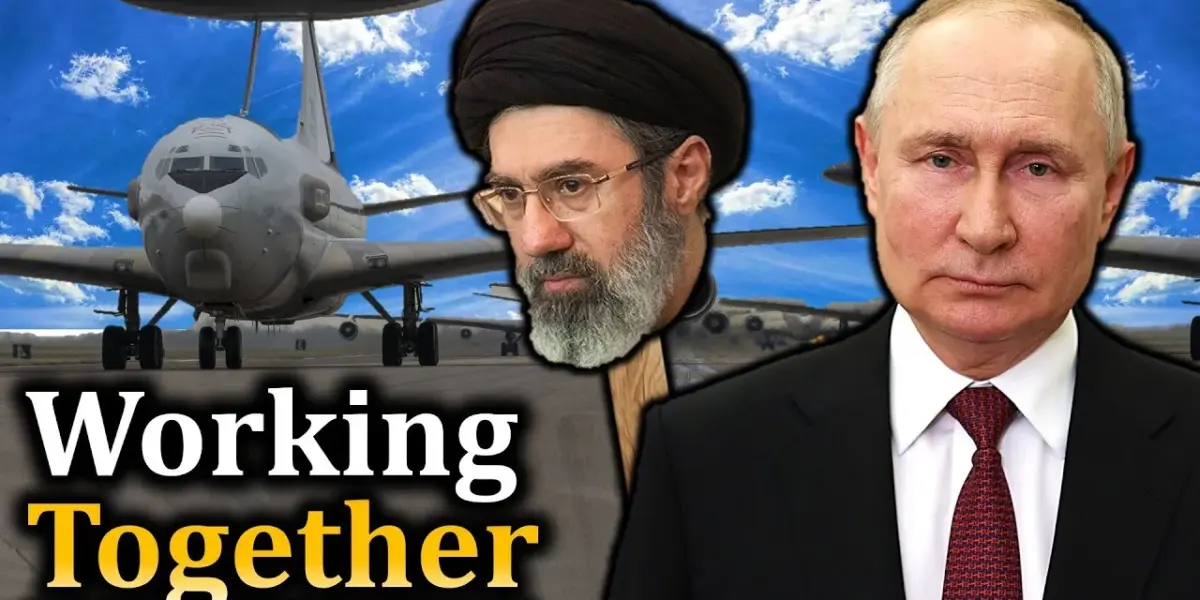
An Iranian strike on Prince Sultan Air Base destroyed at least $750 million in U.S. assets, including a vital AWACS aircraft. The attack, which injured ten personnel, raises questions about U.S. defenses and suggests potential Russian intelligence assistance to Iran.

Iran Strike Costs US $750M, Hints at Russian Aid
Iran recently conducted its most significant battlefield success of the ongoing conflict, a complex operation that resulted in the destruction of at least $750 million worth of U.S. military assets. The attack, which targeted Prince Sultan Air Base in Saudi Arabia, also injured ten U.S. service personnel. This strike highlights a critical vulnerability in U.S. air defense capabilities and raises questions about international cooperation in modern warfare.
AWACS Aircraft a Major Loss
The most significant loss for the United States was an E-3 Sentry Airborne Warning and Control System (AWACS) aircraft, valued at approximately $500 million. These aircraft function as flying radar stations, providing crucial battlefield awareness by detecting threats over vast distances. The AWACS’s ability to see beyond the Earth’s curvature makes it an indispensable asset for maintaining situational awareness during combat operations.
The attack also destroyed several KC-135 Stratotanker aircraft, each worth around $80 million. These planes are vital for aerial refueling, extending the operational range and endurance of fighter jets and other combat aircraft. The destruction of these assets directly impacts the U.S. Air Force’s ability to project power and sustain prolonged operations in the region.
Operational Impact and Strategic Concerns
The loss of the E-3 Sentry significantly reduces the U.S. fleet of these specialized aircraft. With the total number of E-3s now standing at 16, and only five currently deployed in the Middle East, maintaining continuous airborne surveillance becomes a greater challenge. The U.S. military ideally wants an AWACS aircraft airborne at all times during active combat, a goal made more difficult by this recent loss.
While the U.S. also operates the E-2 Hawkeye AWACS, which can operate from aircraft carriers, these smaller aircraft cannot fly as high or cover as much territory as the E-3 Sentry. The military is now facing a gap in its airborne early warning and control capabilities, a situation complicated by upcoming global events like the World Cup, which may require additional AWACS support for security.
Questions About U.S. Defenses
The attack on Prince Sultan Air Base has prompted scrutiny of U.S. defensive postures. The E-3 Sentry, designed for long-range detection, relies on its ability to detect threats from afar and evade them. However, this strategy is less effective when the aircraft is stationary on the ground. Questions are being raised about why the AWACS was positioned relatively close to Iran, potentially within the range of Iranian drones and missiles.
Furthermore, the clustering of multiple valuable aircraft in the same location presented an attractive target. Experts suggest that Iran likely concentrated its attack to overwhelm U.S. defenses, a strategy made more effective by the vulnerable positioning of the aircraft. The lack of hardened shelters, such as concrete hangars, for these aircraft is also being highlighted as a critical oversight, especially after similar drone vulnerabilities were exposed in conflicts like the one in Ukraine.
Suspected External Assistance
The sophistication of the strike, particularly the precise targeting of the AWACS radar dome, suggests that Iran may have received external assistance. Intelligence gathering capabilities required to pinpoint the exact location of these specific aircraft are extensive. Reports indicate that Russia has previously shared intelligence information and potentially advanced technology, such as AI upgrades for drones, with Iran.
While China has also been reported to be sharing intelligence, the primary focus has been on Russia. The context of the ongoing war in Ukraine is seen as significant. Russia’s weakened state due to the conflict in Ukraine may have emboldened Iran and altered the geopolitical calculations for countries like the United States. The Kremlin may view these strikes as a form of retribution for U.S. support to Ukraine and for intelligence sharing that aids Kyiv.
Broader Geopolitical Implications
The incident occurs against a backdrop of complex international relations and shifting alliances. The U.S. has reportedly declined a Russian proposal to suspend intelligence assistance to their respective partners, deeming such agreements unenforceable. This decision comes as the U.S. faces its own challenges, including domestic political concerns related to energy prices and international relations, such as the recent incident involving a Russian oil tanker headed for Cuba.
The U.S. decision to allow the tanker to proceed, despite potential Russian involvement in its escort, suggests a strategic calculation to avoid escalating tensions on multiple fronts. This approach, while pragmatic to some, may be viewed as inconsistent by others, particularly within Congress. The broader implication is that geopolitical pressures and the desire to manage existing conflicts may be influencing military responses and defensive strategies, potentially creating openings for adversaries.
Strategic Implications
The attack on Prince Sultan Air Base represents a significant material loss for the U.S. military and a tactical victory for Iran. It underscores the evolving nature of warfare, where drones and ballistic missiles can inflict substantial damage on high-value targets. The incident forces a re-evaluation of basing strategies, defensive measures, and the integration of intelligence sharing between allied nations.
The suspected Russian involvement highlights the interconnectedness of global conflicts and the potential for adversaries to coordinate actions to challenge U.S. interests. This situation demands a careful balance between responding to direct threats and managing broader geopolitical stability, potentially influencing future U.S. defense spending and strategic planning.
Source: $750M Destroyed: How Russia Assisted Iran’s Biggest Strike of the War So Far (YouTube)

Related Articles


Trump’s Iran Gamble: A Leader Lost in the Bluster?
Critics claim Donald Trump lacks understanding of foreign policy, particularly regarding Iran, leading to a dangerous situation. Falling poll numbers and a base questioning his actions suggest he's in a political bind.
China Aiding Iran, Damaging US Jets: Expert Warns
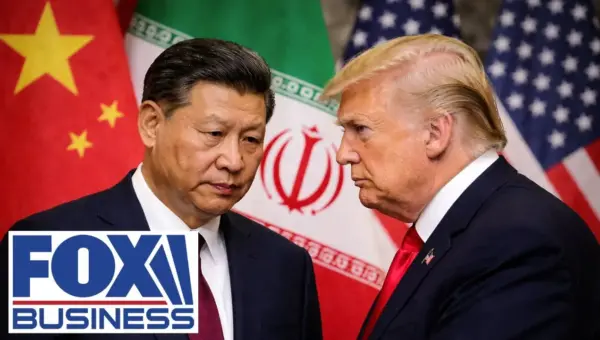
China is accused of providing intelligence to Iran, which may have led to the destruction of a $700 million U.S.-backed early warning jet. This accusation surfaces as President Trump prepares to meet with Chinese President Xi Jinping amidst rising geopolitical tensions.

Iran Gains Leverage as US War Strategy Falters at Hormuz
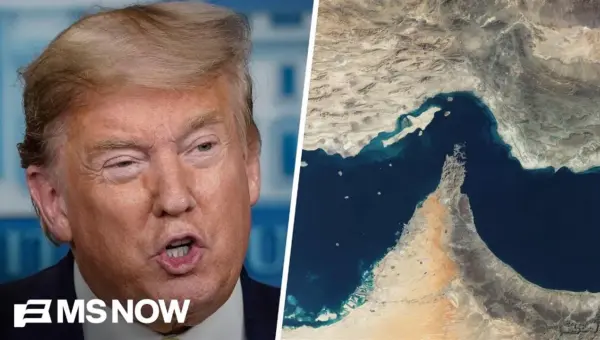
The Strait of Hormuz faces significant disruption as Iran effectively blocks the waterway amid ongoing conflict, leading to a sharp rise in global oil prices. Experts warn that a U.S. withdrawal without securing the strait would empower Iran, allowing it to control passage and collect substantial tolls.