Iran Strait of Hormuz Tensions Escalate: What’s Next?
Tensions surrounding Iran's Strait of Hormuz reached a critical point with a looming deadline set by President Trump. Expert Rocky Whites explains Iran's asymmetric warfare tactics and how alternative shipping routes are mitigating potential disruptions. The legality of Iran's actions under international law is also under scrutiny.

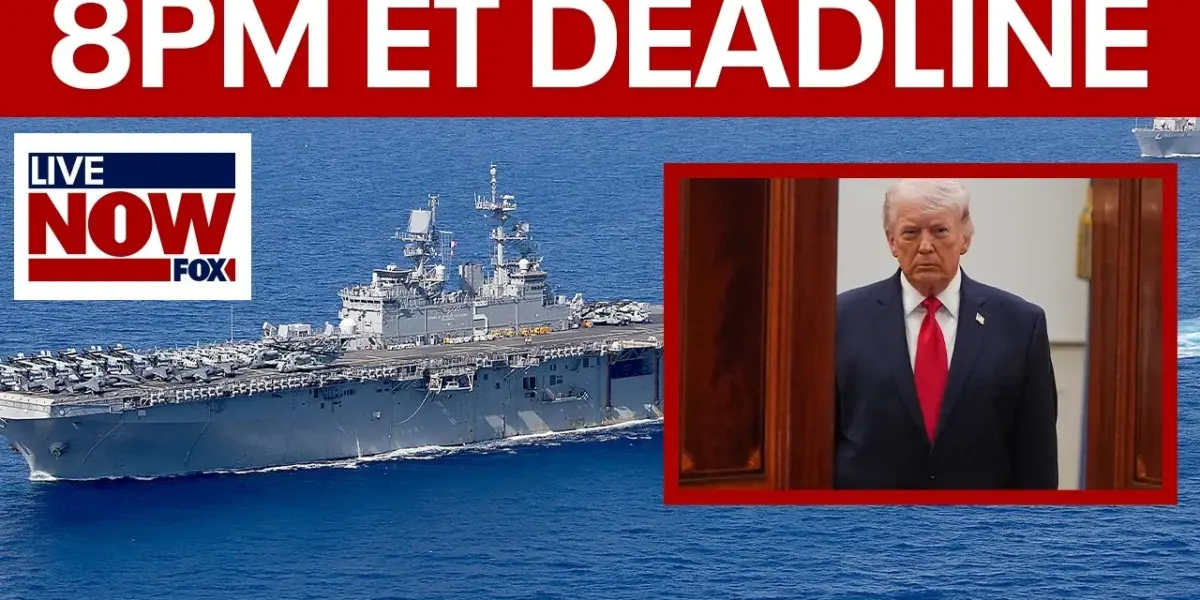
Iran Strait of Hormuz Deadline Looms Amidst Tensions
A critical deadline set by President Trump for Iran to reopen the Strait of Hormuz approached, with just over 13 hours remaining until the 8 PM Eastern Time cutoff. The situation has heightened concerns over global shipping and potential military actions.
Understanding Iran’s Strait of Hormuz Strategy
The question of how Iran could effectively close the Strait of Hormuz was addressed by Rocky Whites, a professor of practice in Maritime studies at the Fletcher School at Tufts University. He explained that Iran employs a strategy of asymmetric warfare, a tactic similar to that used by Houthi rebels in the Red Sea.
Whites elaborated, “The Iranian Navy, the conventional Navy, has been sunk or is… there’s a couple ships that are kind of in lockdown. But their navies gone. Their traditional Air Force is gone. But because of the geography of the Strait of Hormuz, where the Iranians have access to the entire northern coastline… they have dug in for 47 years.”
This geographic advantage allows Iran to employ tactics like launching missiles from the shore, using small, fast boats, or even civilian vessels to lay mines or fire RPGs. “They will essentially take an insurgency approach, like a maritime insurgency approach to the Strait of Hormuz,” Whites stated, adding that this makes preventing attacks on commercial shipping extremely difficult.
Alternative Routes and Infrastructure Mitigate Disruption
In response to potential disruptions, Gulf States have been developing alternative export routes and pipeline infrastructure. Whites highlighted the effectiveness of these workarounds, noting that Saudi Arabia’s cross-Saudi Arabia pipeline now exports 7 to 8 million barrels of crude oil per day to the Red Sea. From there, oil can be shipped to Asia or Europe.
The UAE has also increased capacity on a pipeline connecting its Gulf coast to the Arabian Sea, near Fujairah, capable of handling 1.5 to 2 million barrels daily. These developments mean that while the Strait of Hormuz is crucial, it doesn’t carry the entire burden of oil exports.
Whites explained that there are now multiple ways to navigate the region:
- Iranian Territorial Waters: Ships can pass between Lorac and Queso Islands, but this requires paying a significant toll, reportedly around $2 million per ship.
- Omani Territorial Waters: An alternative route along the Omani coastline exists, with no tolls reported.
- International Law: Historically, passage through the Strait has been governed by international law and the UN Convention on the Law of the Sea. This preferred option has, however, remained largely unopened during the recent tensions.
The shift towards pipelines has reduced the volume of crude oil directly transiting the Strait, with estimates suggesting around 10% of crude oil is now affected, rather than a full 20%. This reliance on alternative routes and infrastructure could lead to reduced dependence on the Strait of Hormuz in the long term, partly due to a lack of trust in Iran’s future actions.
International Law and Iran’s Actions
The blocking of the Strait of Hormuz, considered international waters, raises questions about maritime crime. Whites confirmed that Iran’s actions are against the UN Convention on the Law of the Sea, to which Iran is a party.
Iran’s stated justification for these actions is self-defense under Article 51 of the UN Charter. They argue they can attack belligerent ships, particularly those flagged by the US or Israel. However, targeting tankers from countries like Japan, China, or Greece is seen as questionable under international law.
The situation remains tense, with the international community closely watching Iran’s response to the deadline and the potential implications for global trade and security.
Looking Ahead
As the deadline passes, the focus will shift to Iran’s next moves and the international community’s response. The development of alternative shipping routes and infrastructure is likely to continue, potentially reshaping global energy transport and reducing reliance on the Strait of Hormuz in the years to come.
Source: Iran Strait of Hormuz deadline approaches before US attacks power plants & bridges (YouTube)

Related Articles
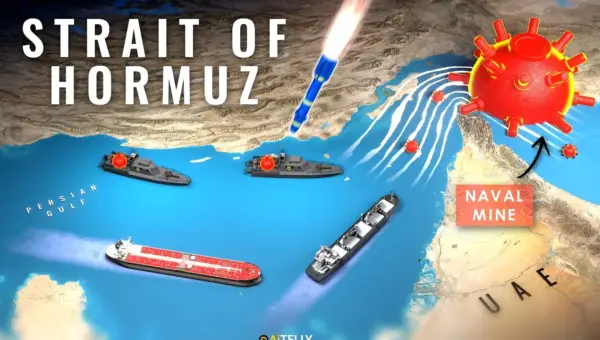
US Strikes Iran’s ‘Mosquito Fleet’ to Secure Oil Lanes
Iran's use of naval mines and fast attack boats in the Strait of Hormuz prompted a decisive US response. The US employed a preemptive strategy, striking mine-laying ships and storage facilities with precision-guided missiles and bombs.

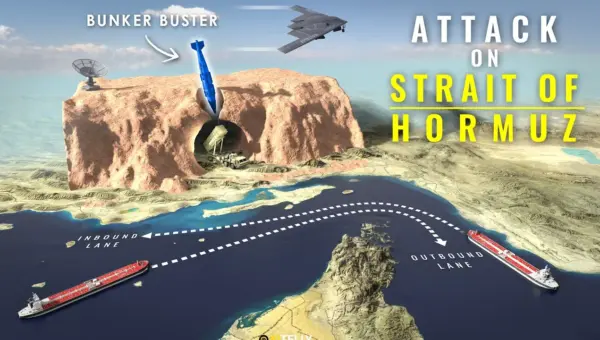
Iran’s Strait of Hormuz Trap: How the US Fights Back
Iran's strategy to control the Strait of Hormuz involves using islands as bases for anti-ship missiles and launching swarm attacks with small boats. The US counters with advanced defense systems, surveillance drones, and powerful bunker-buster bombs, highlighting the ongoing tension in this vital global shipping lane.

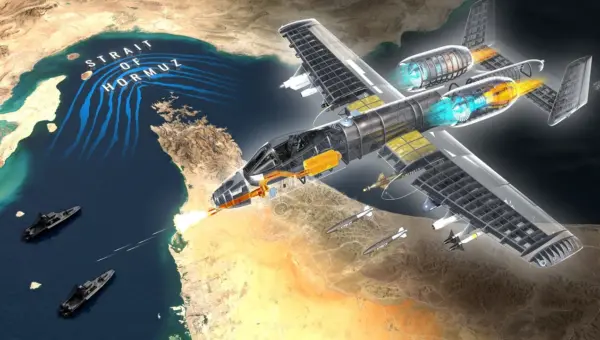
A-10 Warthog Defies Retirement in Hormuz Strait
The U.S. Air Force's plan to retire the A-10 Thunderbolt faces a challenge in the Strait of Hormuz. Its unique design, built for low-and-slow flight and extreme durability, makes it essential for countering small boats and drones in the narrow waterway. The Warthog's ruggedness and specialized firepower prove its continued value.