Iran Strait Clash Sends Oil Prices Soaring, Threatens Global Supply
Escalating tensions between Iran and the US/Israel have sent oil prices soaring by up to 13%, centering on the critical Strait of Hormuz. This vital waterway, moving over 20% of global oil, is now under threat, with experts warning of severe inflation and prices exceeding $100 per barrel if closed.

Strait of Hormuz Becomes Epicenter of Global Oil Shock
Global oil prices have surged dramatically, with crude jumping as much as 13% on Monday, the first trading day following escalating tensions between Iran and the United States and Israel. The flashpoint for this significant market reaction is the Strait of Hormuz, a narrow yet critically important waterway that, if disrupted, could severely impact fuel bills worldwide and exacerbate global inflation. The recent exchange of attacks, which saw the US and Israel targeting Iran, resulting in the death of its Supreme Leader Ali Khamenei, has prompted Iran to retaliate. Tehran has struck back, targeting Israel and at least seven other nations across the region, leading to damage to oil tankers and a significant pullback by shipping companies.
Global Trade Choke Point Under Threat
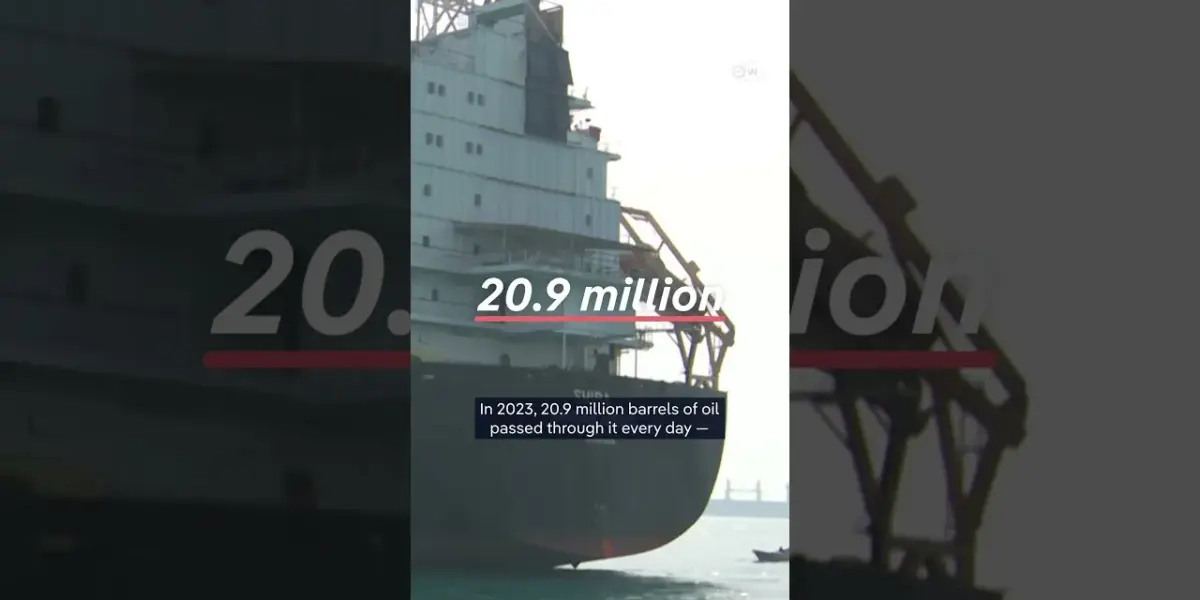
The Strait of Hormuz, connecting the Persian Gulf to the Gulf of Oman and the wider Indian Ocean, is a vital artery for international commerce, particularly for oil transportation. This 21-mile-wide channel is responsible for moving a substantial portion of the world’s oil supply. In 2023 alone, an estimated 20.9 million barrels of oil passed through it daily. This figure dwarfs the daily transit of the Suez Canal, which averaged 8.8 million barrels. For major oil-producing nations such as Saudi Arabia, the United Arab Emirates (UAE), Oman, and Iran itself, the Strait represents the primary route for exporting their crude.
Vulnerability and Limited Alternatives
The strategic significance of the Strait of Hormuz also makes it one of the globe’s most vulnerable choke points. While some nations have invested in alternative infrastructure, the capacity to bypass the Strait is limited. Only Saudi Arabia and the UAE possess pipelines capable of rerouting oil away from this critical waterway. Combined, these pipelines can handle just 2.6 million barrels per day. This capacity is far from sufficient to compensate for a major disruption or a complete closure of the Strait, leaving global supply chains highly exposed.
Economic Ramifications and Expert Warnings
The potential economic fallout from a prolonged closure or significant disruption in the Strait of Hormuz is dire. Experts warn that a worst-case scenario, where the Strait is fully blocked, could lead to a drastic reduction in global oil supply. This scarcity, in turn, is predicted to drive inflation significantly higher across economies worldwide. With geopolitical tensions already running high in the Middle East, analysts are closely monitoring the situation. They caution that sustained interruptions to shipping traffic through the Strait could easily propel oil prices past the $100 per barrel mark, triggering widespread economic instability.
What to Watch Next
The coming days and weeks will be critical in determining the trajectory of the oil market and broader economic implications. Investors and policymakers will be closely observing diplomatic efforts to de-escalate the conflict and ensure the unimpeded flow of oil through the Strait of Hormuz. Any further military actions or perceived threats to maritime security in the region could trigger additional price volatility. The ability of key global players to secure alternative supply routes and manage demand will also be crucial in mitigating the impact of any prolonged disruption.
Source: Why the Iran clash has put the focus on the Strait of Hormuz? | DW News (YouTube)

Related Articles


Oil Prices Surge 15% as Iran Threatens Strait of Hormuz Closure
Iran's threat to close the Strait of Hormuz has sent oil prices soaring 15%, igniting fears of global recession and stagflation. The critical energy chokepoint's potential closure could disrupt supply chains for oil, gas, and essential goods, impacting inflation and consumer spending worldwide. Historical data suggests markets recover from geopolitical events, but the immediate economic fallout remains a significant concern for investors.

Russia’s Muted Response to Middle East Escalation Puzzles Markets
As the Middle East faces a dramatic escalation with U.S. and Israeli-led strikes on Iran, Russia's conspicuous absence from the conflict has become a central question. Analysts explore whether Russia's non-intervention stems from military constraints, strategic economic benefits from rising oil prices, or a deliberate effort to avoid broader global conflict.


Iran Escalates: US Ship Hit, Jets Downed Amidst Bombardment
Iran has escalated hostilities, bombing a critical U.S. oil tanker and having multiple fighter jets shot down. This marks a significant increase in conflict, with widespread strikes reported across Iran and strong U.S. military statements indicating further escalation.