Iran Strait Blockade Sparks US Force Talk
Reports of Iran closing the Strait of Hormuz have led to U.S. demands for its immediate reopening. High-level peace talks are scheduled, but questions linger about who holds decision-making power in Iran. The increasing use of drones in warfare is also highlighted as a significant evolution.

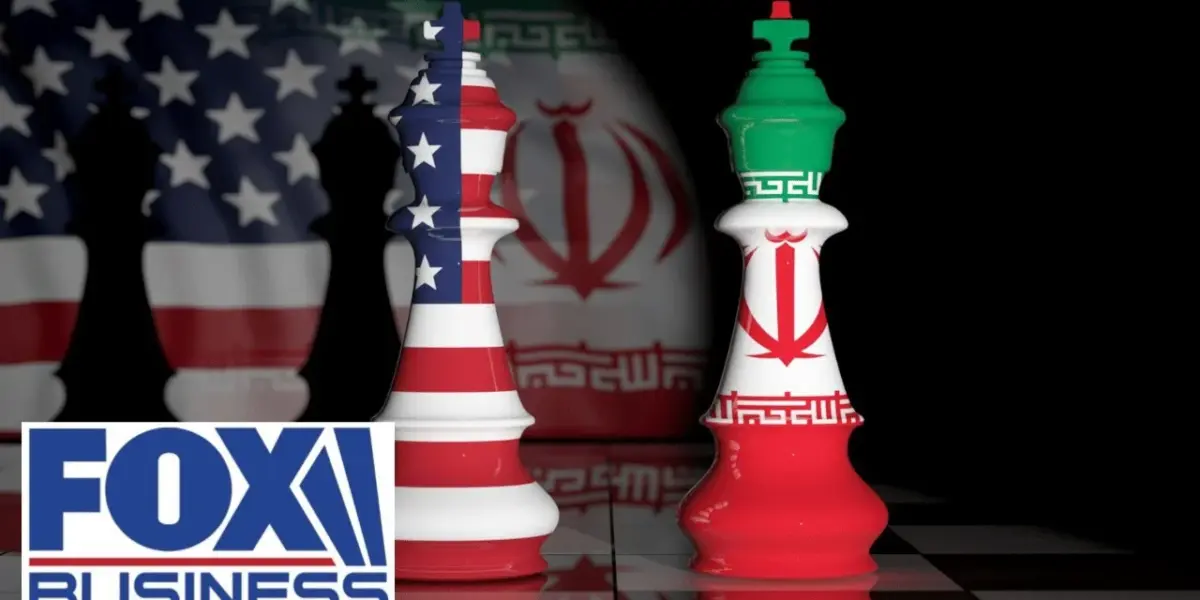
Iran Strait Blockade Sparks US Force Talk
Reports of Iran closing the Strait of Hormuz have triggered a strong response from the White House. The U.S. President has demanded the immediate reopening of the vital waterway. While public statements from Iran differ from private assurances, U.S. officials noted an increase in ship traffic through the strait. The President expects the Strait to be reopened quickly and safely.
Retired Admiral Robert Harwood discussed the military implications of such a blockade. He explained that reopening the Strait by force would require significant violence and destruction. The U.S. Navy and NATO forces could potentially achieve this, but at a high cost.
Negotiation Efforts and Betrayal
Admiral Harwood suggested that the President had attempted to accommodate Iran by agreeing to talks and pausing a bombing campaign. However, he believes Iran reneged on this deal, leading the President to feel betrayed. Despite this, ships continued to flow through the Strait. Historically, any attempt to appease Iran has been used to their advantage.
The current administration may consider a stronger use of force if necessary, but the preference remains for a political solution. Admiral Harwood believes President Trump did not pause too early in his approach, stating the President has followed through on his commitments.
Peace Talks and Iranian Leadership Questions
Vice President J.D. Vance, along with Jared Kushner, is set to lead peace talks in Pakistan on Saturday. This meeting involves high-level officials, including a Prime Minister and Foreign Minister from Iran, and the U.S. Vice President. Such a senior-level gathering is considered unprecedented.
However, Admiral Harwood expressed concern about who is truly in charge within Iran’s decision-making structure. He questioned whether the Prime Minister and Foreign Minister represent the true authority or if they are surrogates for the IRGC (Islamic Revolutionary Guard Corps). This ambiguity makes it difficult to understand the command structure and who dictates policy in Iran. While the high level of the meeting offers some optimism, the uncertainty about Iranian leadership remains a significant concern.
The Growing Role of Drones in Warfare
The State Department has issued a warning for U.S. citizens to leave Iraq, advising against flying out. The increase in rocket, missile, and drone attacks highlights the significant role drones are playing in modern conflict. Admiral Harwood described this as an evolution of warfare, with drones being a defining factor over the last two decades.
Drones were utilized in conflicts in Afghanistan and Iraq. More recently, Ukraine has innovated with cost-effective drone use to balance power against Russia. Iran appears to be adopting a similar strategy, using the affordability and mass of drones to counter U.S. military power. Admiral Harwood criticized the U.S. defense industry for not adapting quickly enough to this changing nature of warfare and keeping pace with adversarial innovations.
Market Impact
The ongoing tensions in the Strait of Hormuz could impact global oil prices. Any disruption to this crucial shipping lane, which transports a significant portion of the world’s oil, could lead to price volatility. Investors in energy markets will be closely watching developments. Additionally, defense contractors involved in drone technology and military hardware may see increased interest.
What Investors Should Know
Investors should monitor geopolitical developments closely, especially those affecting the Middle East and energy markets. The potential for increased military spending or the adoption of new defense technologies could present opportunities. Understanding the evolving nature of warfare, particularly the role of drones, is also crucial for assessing long-term defense sector investments.
The uncertainty surrounding Iran’s leadership and their intentions adds a layer of risk to international relations and financial markets. Diversification remains a key strategy for investors looking to mitigate risks associated with geopolitical instability.
Source: 'WHO'S IN CHARGE?' Former CENTCOM commander RAISES QUESTIONS over Iranian leadership in peace talks (YouTube)

Related Articles

Iran Ceasefire: US Pushes for Deal Amidst Tensions
A fragile ceasefire between the U.S. and Iran is under severe strain, with ongoing missile firings and continued Iranian control over the Strait of Hormuz. Despite tensions, the White House remains optimistic as Vice President JD Vance leads a high-level delegation to Pakistan for peace talks. Key issues include Iran's nuclear enrichment program and the reopening of vital shipping lanes.

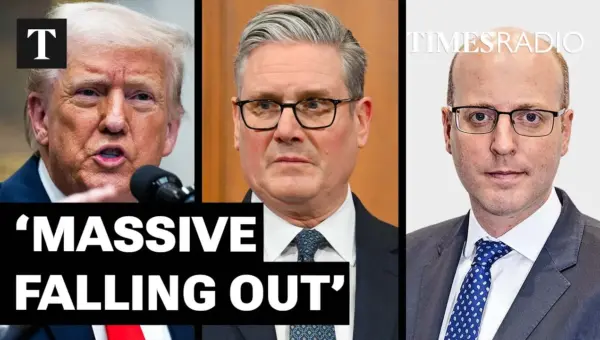
US Furious With UK Over Iran War Stance, Allies Face Fallout
The United States is reportedly furious with the UK's stance on the Iran conflict, threatening to reassess allied support. Prime Minister Keir Starmer has voiced frustration with global leaders like Trump and Putin impacting energy bills, while the UK's own defense plans face delays amid international fallout.

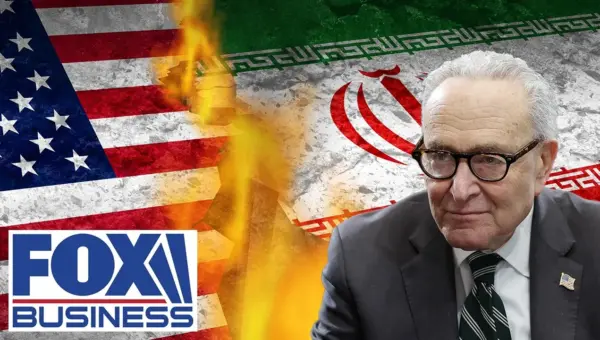
GOP Rep Slams Schumer on Iran War Vote Stance
A Republican congressman disputes Senate Minority Leader Chuck Schumer's claims about an upcoming vote on Iran military action. Meanwhile, a 56-day shutdown of the Department of Homeland Security continues amid debates over funding and immigration policy.