Iran State Media Confirms Supreme Leader Khamenei Dead
Iranian state media has confirmed the death of Supreme Leader Ayatollah Ali Khamenei, following reports from U.S. and Israeli officials. This seismic event marks a pivotal moment in the escalating regional conflict and raises critical questions about Iran's future leadership and stability.

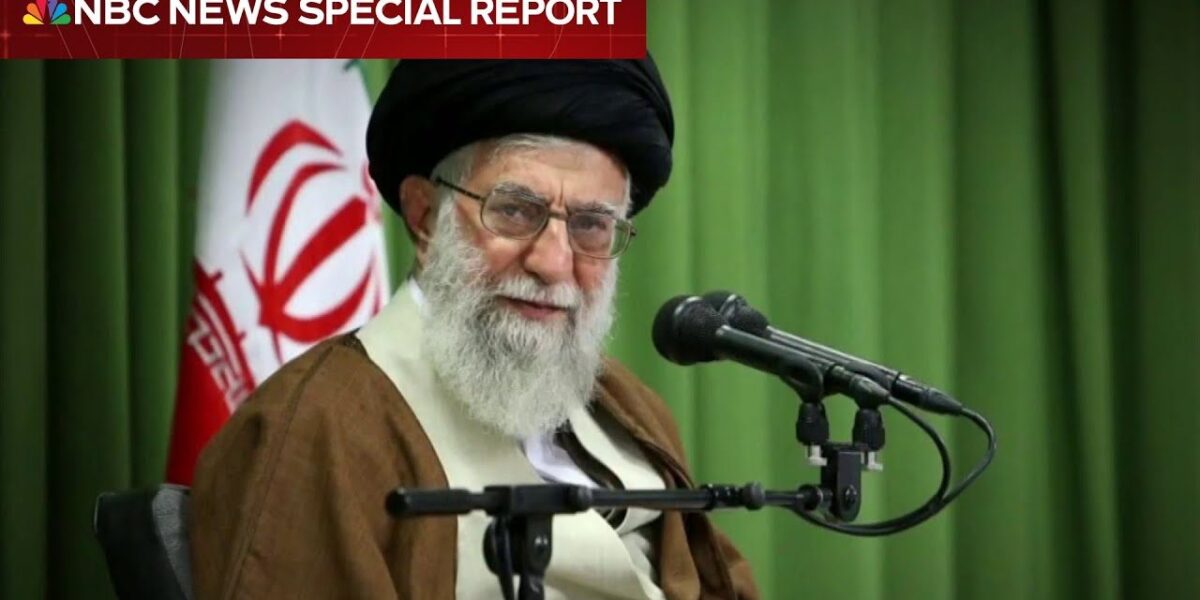
Iran State Media Confirms Supreme Leader Khamenei Dead
In a seismic development that has sent shockwaves across the globe, Iranian state media has confirmed the death of Supreme Leader Ayatollah Ali Khamenei. The announcement, made early Tuesday morning in Iran, corroborates earlier reports from U.S. President Donald Trump and Israeli Prime Minister Benjamin Netanyahu, marking a pivotal moment in the escalating regional conflict.
A Historic Moment in a Widening Conflict
The confirmation from Iran’s official media outlets signifies a monumental shift, not only for the Islamic Republic but for the entire Middle East. Ayatollah Khamenei, who had held the ultimate authority in Iran since 1989, was reportedly killed in strikes that have now escalated into what sources describe as a regional war. The full implications of this event remain uncertain, with fears that the conflict could intensify and spread further.
“This may change the game completely for Iran, change the region. And from what we’ve seen now this strike out and this killing of the Ayatollah has now started a regional war. Where it ends we don’t know, how much further it goes from tonight and into the morning over there. We don’t know. But still a monumental moment.”
Reporter Gabe Gutierrez
The United States and Israel are reported to have acted in conjunction, making this a historically significant operation targeting the highest echelon of Iranian leadership. President Trump had alluded to the possibility of Khamenei’s death earlier in the day, citing intelligence assessments. The official acknowledgment from Iran validates these claims, underscoring the gravity of the situation.
Uncertainty Over Succession and Regional Stability
The death of Ayatollah Khamenei immediately raises critical questions about the future leadership of Iran and the stability of the region. Experts are assessing who might assume power in the immediate aftermath. While President Ebrahim Raisi is reportedly alive, the role of other powerful figures, such as National Security head Ali Larijani, who has served as Khamenei’s second-in-command, is being closely scrutinized.
Michael Froman, President of the Council on Foreign Relations, highlighted the existing uncertainties. “There’s a lot of uncertainty right now exactly what’s happening on the ground,” he stated. “Whether he’s a transitional figure until something further happens remains to be seen. He’s not a cleric, so he can’t be really a successor in the form of an Ayatollah.” The potential for internal dynamics, including the role of ethnic minorities, to influence the succession process is also a significant factor.
International Reactions and Broader Implications
The international community’s response has been mixed. While nations like China and Russia have condemned the strikes, many countries, particularly in the Middle East, are privately expressing a degree of relief, viewing the potential for a new leadership in Iran as an opportunity for regional recalibration. However, there is also discomfort among some allies regarding the unilateral nature of the operation by the U.S. and Israel.
Froman elaborated on Iran’s long-standing role in regional destabilization. “For decades of course. And when there’s been efforts to kill American troops stationed in the region. First of all, they’ve killed several hundred American troops over the years with their IEDs that they’ve designed. As you said they provided drone technology now to Russia, to attack Ukraine and our interests there. They’ve targeted Americans. And they have assassination orders out for various former American officials.”
Behind the Strikes: Intelligence and Military Operations
The precision of the strikes has been attributed to sophisticated intelligence gathering and military planning by both the U.S. and Israel. For months, intelligence agencies have been working to identify and target key Iranian leadership figures. Courtney Kube, Senior National Security Correspondent, noted the significant intelligence capabilities of the Israeli military, which has a history of conducting precise strikes against Iranian leaders and proxy networks.
A peculiar aspect of the operation, as observed by Kube, was the timing of the strikes, which reportedly occurred during daylight hours. “One thing I have been shocked about and not been able to figure out all day since we first got the call at 1:00 this morning that this had all started is why the U.S. and Israel decided to conduct these strikes and begin this mission in daylight,” she remarked. “It’s frankly just safer for the air assets and men and women involved. This was in daylight. And I do wonder if that was part of the intelligence gathering process here, they found that some of these individuals would be together at a certain time, it was in daylight and they had to take advantage of that opportunity.”
Impact on the Iranian Population and Domestic Landscape
For the Iranian people, the news of Khamenei’s death brings a mixture of emotions. For many who have endured decades of his rule, particularly after recent crackdowns on protests, there may be a sense of relief and anticipation for change. However, the immediate future remains shrouded in uncertainty, with fears of reprisal and continued instability.
Hooman Maj, an Iranian-American journalist and NBC News analyst, described the situation as “huge.” He added, “I think there are some Iranians, perhaps many Iranians who are celebrating the fact that he is no longer the Supreme Leader, especially after the January protests and the crackdown on the protests, which was commanded from the Supreme Leader.”
However, the reality on the ground is complex. Reports indicate that some citizens are attempting to leave Tehran, and the government has reportedly converted roads to one-way to facilitate evacuations. Despite calls for public uprising, fear of the Revolutionary Guard and Basij forces, who are reportedly present on the streets, has so far prevented widespread demonstrations. The economic hardship already plaguing the nation, with issues like water shortages and difficulties accessing funds, is likely to be exacerbated by the ongoing conflict and leadership vacuum.
Looking Ahead: A Region on Edge
The confirmation of Ayatollah Khamenei’s death marks the beginning of a new and potentially volatile chapter for Iran and the Middle East. All eyes are now on Tehran as the world awaits clarity on the succession process, the potential for internal unrest, and the broader trajectory of the escalating regional conflict. The coming days and weeks will be crucial in determining the stability of Iran and its future role on the global stage.
Source: Special Report: Iranian state media confirms Ayatollah Ali Khamenei has been killed (YouTube)

Related Articles
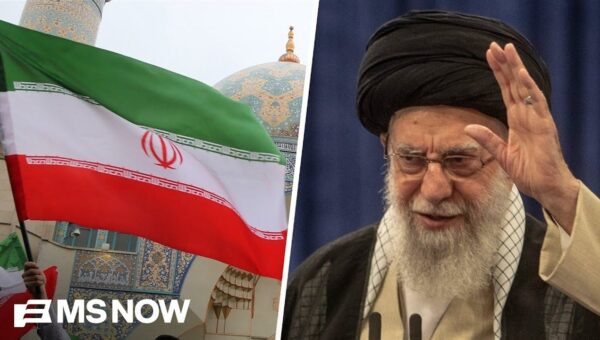
Iran Celebrates After Israeli Strikes Eliminate Top Leaders
Following Israeli airstrikes that reportedly killed Iran's Supreme Leader and top staff, celebrations have erupted among the Iranian diaspora. While a "monumental event," analysts caution against immediate expectations of a smooth democratic transition due to the IRGC's power and a divided opposition.
Dem Rep. Gomez: Trump Was Never Truthful About Peace
California Congressman Jimmy Gomez criticized the Trump administration's handling of intelligence regarding Iran, stating the President was "never truthful" about his intentions. Democrats plan to force a vote on a War Powers resolution, arguing the recent military actions lacked justification and congressional approval.
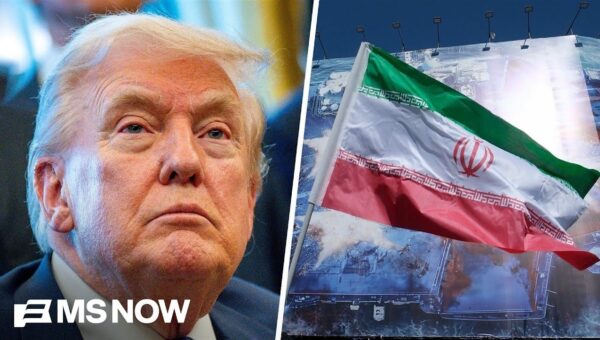
Trump Open to Iran Talks After Attacks, Shifts on Regime Change
President Trump has agreed to negotiate with Iran's new leadership following recent U.S. and Israeli attacks, signaling a potential shift from his regime change objective. The move has drawn scrutiny from former officials who question the strategic coherence of U.S. policy.