Iran Stalemate: US Pushes Peace Talks Amid IRGC Shadow
The US is pursuing a diplomatic path with Iran, offering a deadline extension for reopening the Strait of Hormuz, despite Iran's denial of direct talks. Global oil markets remain volatile due to the ongoing crisis, while the powerful Islamic Revolutionary Guard Corps appears to be tightening its grip within Iran, indicating complex internal power dynamics.


Iran Stalemate: US Pushes Peace Talks Amid IRGC Shadow
US Offers Diplomatic Path Amidst Iranian Uncertainty
The United States is signaling a potential shift towards diplomacy with Iran, even as the situation on the ground remains complex and uncertain. President Trump announced an extension to a deadline, initially set for Iran to reopen the Strait of Hormuz, citing “productive peace talks” and the possibility of ending the conflict. This move, however, has been met with denial from Iran, which called the reports of direct talks “fake news.” Despite this contradiction, the President has given Iran until Friday to allow shipping to resume through the vital waterway.
Global Oil Market Feels the Strain
The conflict’s impact on global energy supplies has been severe. The International Energy Agency stated that the current oil crisis is worse than the combined shocks of the 1970s. While news of the deadline extension and potential peace talks briefly calmed world markets, causing oil prices to fall and stocks to rise, the agency warned that a swift end to fighting won’t immediately fix the energy shortage. Some refineries in the Gulf states will need months to restart, and others damaged by bombing could take years to repair.
Revolutionary Guard’s Grip Tightens
Meanwhile, signs from within Iran suggest a different reality. The Islamic Revolutionary Guard Corps (IRGC) is reportedly sending messages to citizens perceived as being associated with foreign or anti-Iran media. These messages warn that such affiliations are crimes punishable by death during wartime. This indicates that the IRGC, a powerful military and political force, may be consolidating its control and suppressing dissent, even as the US speaks of peace.
Navigating Conflicting Narratives
Retired Lieutenant General Richard Newton and retired Navy Captain Brent Sadler discussed the situation, highlighting the confusion surrounding who the US is actually talking to. President Trump mentioned “15 points of agreement,” but Iran denies any direct talks. General Newton suggested the US might be trying to set the stage for a diplomatic solution, keeping all options open, including military pressure. He noted that while diplomacy is being given a chance, trusting Iran is difficult.
Who Holds the Power in Tehran?
The identity of Iran’s negotiating partners remains unclear. Reports suggest potential intermediaries like Turkey or Oman could be involved. Captain Sadler pointed out that the Iranian regime is under significant stress, possibly with internal fractures, leading to defections and attempts by regime members to move money out of the country. However, General Newton believes the true power in Iran still rests with the IRGC and associated militias, numbering around 700,000 personnel. He emphasized that resolving the conflict depends on identifying who can truly make decisions within the Iranian system.
Reopening the Strait: A Question of Confidence
The reopening of the Strait of Hormuz is crucial for global oil flow. Captain Sadler explained that the issue is less about Iran’s ability to physically block the strait and more about confidence. Increased insurance rates for tankers, which have risen significantly, reflect the perceived risk. He suggested that the presence of allied naval forces, like a French carrier strike group, could boost confidence and encourage more shipping, potentially turning a trickle of oil flow into a flood. The US, he argued, is in a position of strength and must maintain this stance to achieve lasting peace.
Global Impact: Why This Reshapes the World Order
The ongoing tension in the Strait of Hormuz highlights the fragility of global energy security. The waterway is vital, carrying about 30% of the world’s seaborne oil trade. Any disruption directly impacts oil prices worldwide, affecting economies from developing nations to industrialized powers. The conflict also underscores the complex geopolitical dynamics between the US and Iran, a rivalry with deep historical roots, including the 1953 coup and the 1979 revolution. The potential for a military escalation carries immense risks, not only for the region but for global stability. The current situation forces a re-evaluation of alliances and security arrangements in the Middle East, with nations like China, heavily reliant on Gulf oil, closely watching developments. The struggle for influence and control over critical resources like oil continues to shape international relations and power balances.
Historical Context: A Cycle of Tensions
The current standoff is part of a long history of US-Iran relations. Following the 1979 Iranian Revolution, relations soured, marked by events like the Iran hostage crisis. US policy has often oscillated between sanctions and diplomatic engagement, with periods of heightened military tension. The Strait of Hormuz has been a focal point before, with naval incidents occurring in the past. The US military presence in the region, including the Fifth Fleet based in Bahrain, is a long-standing strategy to ensure freedom of navigation and deter aggression. The current situation echoes past challenges in balancing deterrence with the pursuit of diplomatic solutions.
Economic Leverage and Future Scenarios
Economic tools, such as sanctions, are a key part of the US strategy against Iran. These aim to cripple Iran’s economy and pressure its government to change its behavior, particularly regarding its nuclear program and regional activities. However, sanctions also have a global economic impact, affecting oil prices and trade. The future could see several scenarios: a genuine diplomatic breakthrough leading to de-escalation, continued low-level conflict and brinkmanship with periodic flare-ups, or a full-scale military confrontation. The likelihood of each depends on internal dynamics within Iran, US policy decisions, and the actions of regional and international actors.
Source: IRGC likely in charge of Iran, Gen. Newton says | Elizabeth Vargas Reports (YouTube)

Related Articles
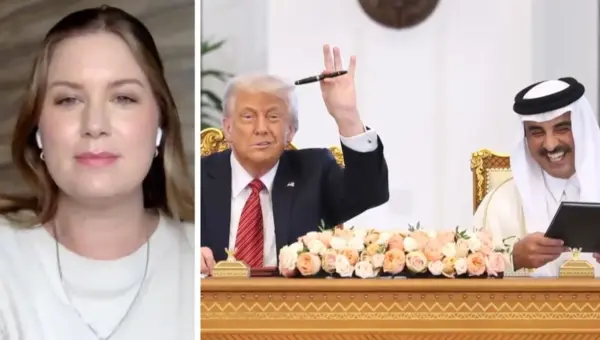
Gulf States Demand Seat at Table on Iran’s Nuclear Future
Gulf states are demanding a seat at the table for any U.S.-Iran talks regarding Iran's nuclear future. This move reflects a growing assertiveness and a desire to shape regional security directly. It signals a potential shift towards more inclusive diplomatic efforts in the Middle East.

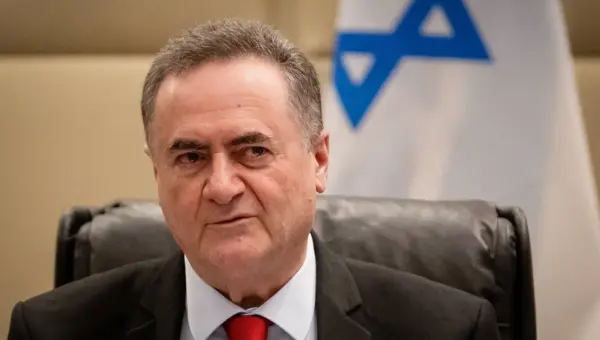
Israel Escalates Iran Strikes, Warns of Wider War
Israel has launched significant strikes inside Iran following continued missile fire, warning of further escalation. The conflict risks wider regional instability and economic disruption, especially concerning the Strait of Hormuz.
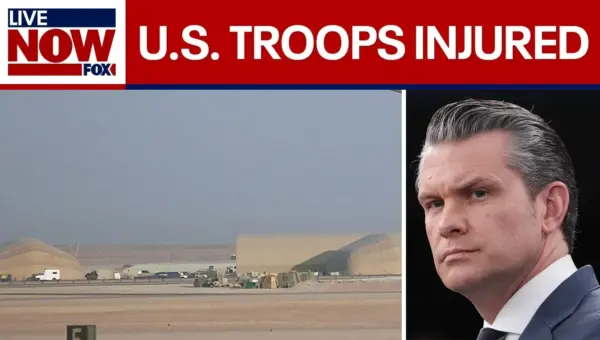
US Troops Wounded in Saudi Base Attack by Iran
An Iranian missile attack on Prince Sultan Air Base in Saudi Arabia wounded multiple U.S. service members and damaged aircraft. The incident highlights the ongoing risks in the Middle East and the limitations of air defense systems. Analysts discuss the strategic implications, economic pressures, and the isolation of Iran amidst the conflict.