Iran Soccer Players Granted Asylum in Australia After Anthem Protest
Five Iranian women's soccer players have been granted asylum in Australia after a silent protest during their national anthem at a tournament sparked backlash at home. Australian Prime Minister Scott Morrison confirmed the players are in a safe location after receiving humanitarian visas. The move follows international calls for protection, with fears they would face severe consequences if returned to Iran.

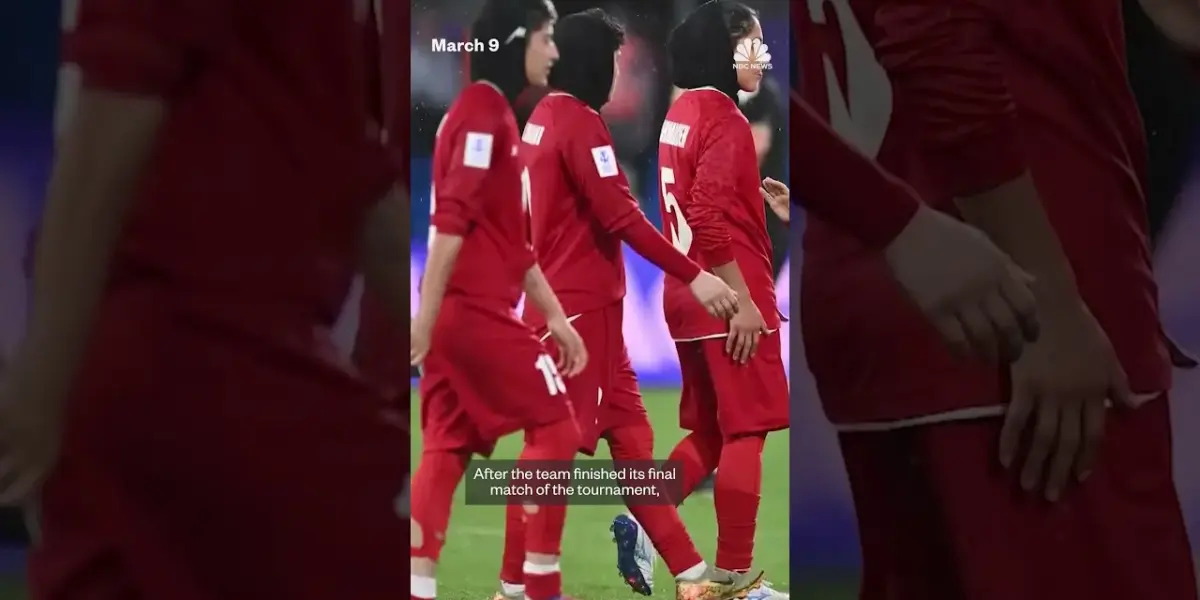
Iranian Soccer Stars Granted Asylum in Australia After Anthem Protest
Five members of the Iranian women’s national soccer team have been granted humanitarian visas and asylum in Australia following a protest during their national anthem at a recent tournament. The players’ silent protest has ignited a firestorm back home, with hardliners reportedly calling for severe repercussions. Australian Prime Minister Scott Morrison confirmed the move, stating that federal police had relocated the players to a safe location within the country, where they currently remain under protection. The dramatic turn of events highlights the growing courage of athletes speaking out against oppressive regimes and the international support that can follow.
A Silent Stand Sparks Global Attention
The incident unfolded during a match in Australia, where the Iranian women’s soccer team participated in a tournament. As their national anthem played, the players stood in silence, a stark visual protest against the political climate in their home country. This act of defiance was not lost on observers, and back in Iran, it quickly drew the ire of hardline factions. Reports indicate that the players’ actions prompted significant backlash and condemnation from powerful figures within Iran, raising fears for their safety and future.
Following their final match of the tournament, the situation escalated. As the players prepared to depart, crowds of fans were heard chanting “Save our girls!” and attempting to physically block the bus intended to transport them. This outpouring of support from the public underscored the emotional impact of the players’ protest and the widespread concern for their well-being. The actions of the fans demonstrated a clear desire to protect the athletes from potential retribution.
International Intervention and Safe Haven
The appeal for international assistance was amplified by a call from then-U.S. President Donald Trump, who urged Australia to offer protection to the players. President Trump publicly stated that the women would likely face severe consequences, including potential death, if they were to return to Iran. This high-profile intervention from the U.S. President added significant weight to the players’ plea for asylum and put additional pressure on the Australian government to act.
In response to the mounting pressure and the clear danger the players might face, Australia’s Prime Minister Scott Morrison announced the decision to grant humanitarian visas. “We wanted to make it clear to the athletes that support was available to them,” Morrison stated, emphasizing the government’s commitment to providing a safe haven. The Australian federal police were instrumental in ensuring the players’ immediate safety, moving them to a secure location where they are currently being housed.
Broader Implications: Athletes as Activists
This case underscores a growing trend of athletes using their platforms to speak out against political and social injustices. In recent years, sports figures globally have become increasingly vocal on issues ranging from human rights to environmental concerns. The Iranian soccer players’ protest is a powerful example of how athletes, even in the face of significant personal risk, can draw international attention to critical issues and inspire collective action.
The decision by Australia to grant asylum is not only a personal lifeline for the five players but also sends a strong message to other nations about the importance of protecting individuals who exercise their right to free expression, especially when that expression is a protest against authoritarianism. It highlights the potential for international cooperation in addressing human rights concerns and providing refuge to those fleeing persecution.
The situation also raises questions about the intersection of sports and politics. While sports are often seen as a space for fair competition and national pride, they can also become a stage for political statements and dissent. The Iranian women’s soccer team’s actions demonstrate that the lines between sport and politics are increasingly blurred, and that athletes are often at the forefront of challenging established norms and demanding change.
What’s Next for the Players and Iran?
The immediate future for the five players involves settling into their new environment in Australia and navigating the process of seeking long-term asylum. Their safety and well-being remain the top priority, with authorities ensuring they have the necessary support. The international community will likely continue to monitor their situation, as well as the repercussions, if any, faced by the rest of the Iranian women’s soccer team who have returned home.
The actions of these courageous athletes may also inspire further dissent within Iran and among its diaspora. The international spotlight on this event could potentially embolden others to speak out against the regime. It remains to be seen how the Iranian government will respond to this international scrutiny and the defection of its national team members. The long-term impact on women’s sports in Iran and the government’s approach to athletes’ political expression will be crucial developments to watch.
Source: Australia grants asylum to five Iranian soccer players (YouTube)

Related Articles
Trump Claims Iran’s Military Power Severely Crippled
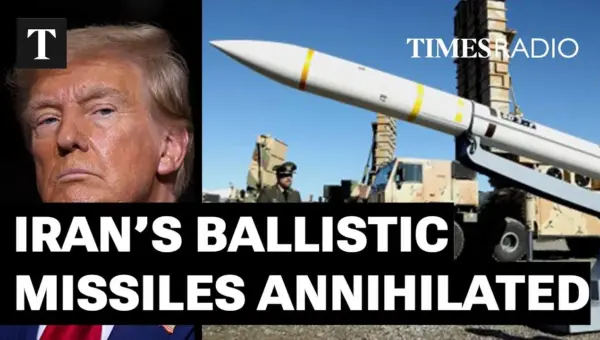
President Donald Trump claims the US and Israel have significantly degraded Iran's military capabilities, potentially "wiping out" its ability to develop long-range weaponry. However, on-the-ground reports from the region highlight the ongoing, deadly reality of the conflict for civilians. The ultimate success metrics and geopolitical implications remain uncertain.

US Escalates ‘Epic Fury’ Strikes Against Iran
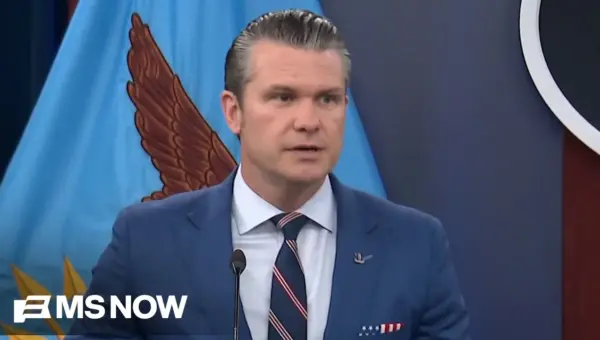
The U.S. has intensified Operation Epic Fury with its most significant strikes inside Iran to date, targeting missile stockpiles, naval capabilities, and nuclear ambitions. Officials described the operation as decisive, efficient, and a stark departure from previous prolonged conflicts.
Iran Appoints Khamenei’s Son as Supreme Leader
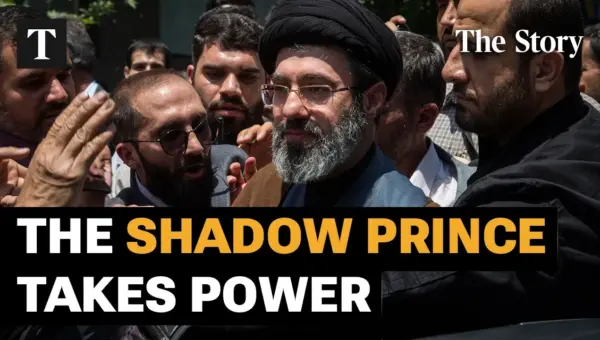
Iran has appointed Mojtaba Khamenei, son of the late Ayatollah Ali Khamenei, as the new Supreme Leader. This decision follows the assassination of his father amidst regional conflict and marks a shift towards security credentials over clerical authority in leadership. The move signals continuity and defiance, presenting complex challenges for international relations and global stability.