Iran Shuns China’s Peace Plan, Straining Global Trade
Iran has rejected China's attempt to mediate the ongoing war, a move that insiders say is hindering Beijing's global ambitions. The decision also impacts trade, as Iran restricts Chinese cargo ships in the Strait of Hormuz, driving up prices in China.

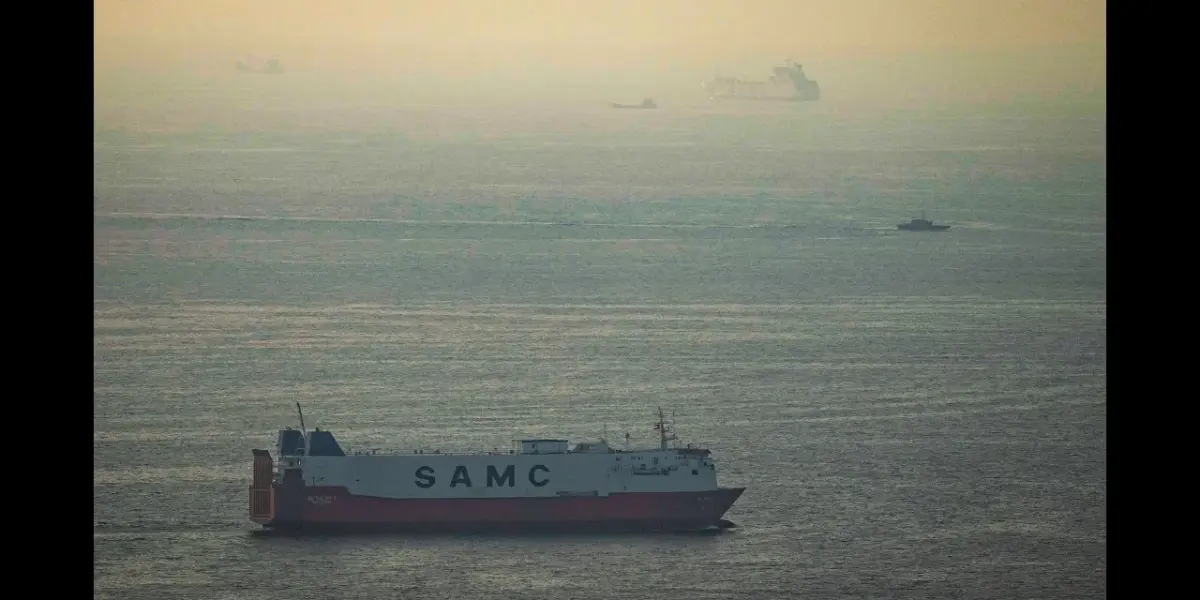
Iran Rebuffs China’s Mediation, Upsetting Global Trade
Iran has reportedly turned down China’s offer to help mediate the ongoing war. This move is seen by some as a sign that the conflict is hurting China’s global goals. Insiders suggest that Iran’s rejection is a significant development, potentially impacting international relations and trade.
China’s Diplomatic Ambitions Thwarted
According to sources close to China’s diplomatic circles, the Chinese Communist Party (CCP) had hoped to use its strong ties with Iran. Their plan was to secure leadership over several developing nations. However, Iran’s refusal to accept China as a mediator suggests these ambitions may be facing serious setbacks. This situation highlights the complex dynamics at play in international diplomacy, where even strong relationships can be tested by regional conflicts.
Trade Routes Disrupted, Prices Soar
The situation is further complicated by Iran’s rejection of China’s request for safe passage of its cargo ships through the Strait of Hormuz. Iran stated it could only guarantee the safety of ships carrying goods for Iran itself. This partial blockade is already having a noticeable effect on global trade. Many Chinese cargo ships are unable to pass freely, leading to delays and increased shipping costs.
The block on ships’ passage is driving up prices in China and the ongoing war is taking a toll on China’s economy, hitting its export sectors especially hard.
This disruption is causing shipping containers to pile up at ports, unable to be sent to their destinations. The ripple effect is being felt across China’s economy, particularly in its export-reliant industries. Prices are rising as a direct result of these shipping challenges, impacting both businesses and consumers within China.
Why This Matters
Iran’s rejection of China’s mediation role and the disruptions in the Strait of Hormuz have significant implications. For China, it means a potential blow to its international standing and its economic interests. The CCP’s strategy to expand its influence through diplomatic and economic means appears to be encountering unexpected resistance. This could force Beijing to rethink its approach to foreign policy and its role in global affairs.
For the region, it underscores the ongoing instability and the complex web of alliances and rivalries. Iran’s decision suggests it is not willing to compromise on its own interests, even under pressure from a major global power like China. This could embolden other nations to assert their own priorities more forcefully on the international stage.
Historical Context and Future Outlook
China has long sought to increase its influence in the Middle East, viewing the region as crucial for its energy security and its Belt and Road Initiative. Historically, China has maintained a policy of non-interference in the internal affairs of other nations, often positioning itself as a neutral player. However, its growing economic ties and strategic interests have led to a more active diplomatic role.
Iran, on the other hand, has a complex relationship with global powers. Its strategic location near the Strait of Hormuz, a vital chokepoint for global oil and gas shipments, gives it significant leverage. Iran’s current stance suggests a willingness to use this leverage to protect its interests, even if it means distancing itself from potential allies like China.
Looking ahead, this situation could lead to several outcomes. China might intensify its diplomatic efforts or seek alternative routes and partners. Iran’s assertiveness could inspire similar actions from other countries. The ongoing conflict, coupled with these diplomatic and economic tensions, will likely continue to shape global trade and international relations for the foreseeable future. The ability of China to navigate these challenges will be a key indicator of its evolving global power status.
Source: Iran Rejects China’s Bid to Play Mediator: Repot (YouTube)

Related Articles

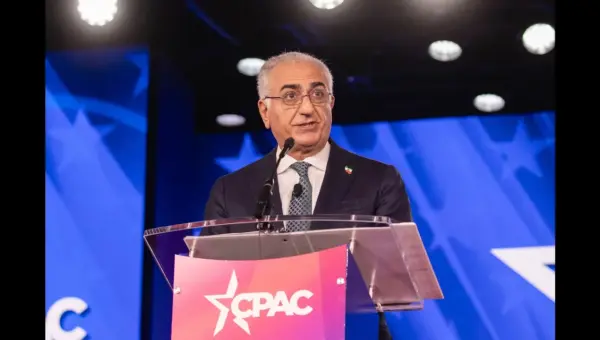
Iran’s Ex-Prince Vows ‘Make Iran Great Again’ at CPAC
Reza Pahlavi, Iran's former crown prince, spoke at CPAC, vowing to 'Make Iran Great Again' and detailing alleged atrocities by the current regime. His appearance sparks debate about his potential leadership role and the future of Iran.

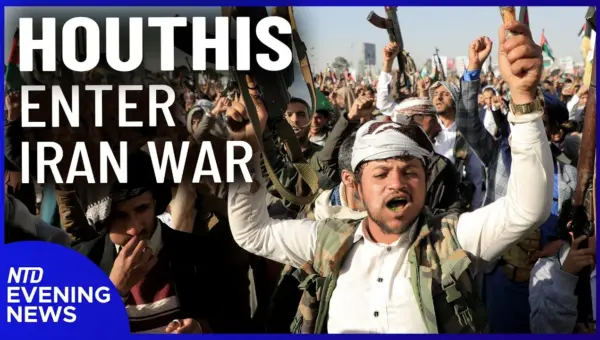
Iran-Backed Houthis Target Israel; US Troops Surge in Middle East
The Houthis, backed by Iran, launched a missile at Israel, escalating regional tensions. Meanwhile, over 3,500 US troops have arrived in the Middle East. Separately, a new White House task force is tackling widespread government fraud, with expert Michael Bustler highlighting the significant financial and trust implications. The report also touches on the ongoing DHS funding debate and sports news.
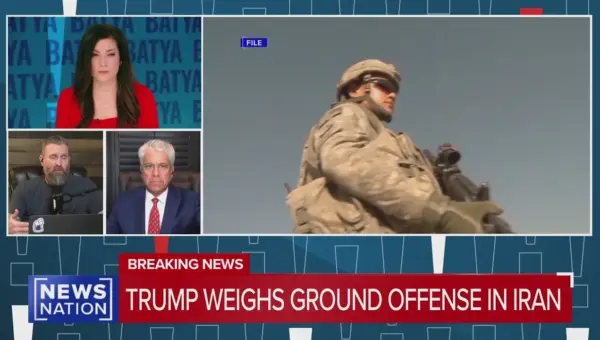
US Deploys Troops, Shakes Global Oil Markets
The U.S. has deployed 2,000 soldiers to the Middle East, aiming to establish a strategic base. This move, coupled with rising oil prices, creates market uncertainty and impacts everyday Americans. The veteran community holds mixed views, while the strategy also targets China's energy deals.