Iran Shoots Down US Jets, Allies Blast Trump’s War Plan
Iran's downing of U.S. aircraft directly contradicts President Trump's claims of air superiority, prompting criticism from allies and raising questions about U.S. military strategy. Meanwhile, significant leadership changes within the Pentagon have sparked controversy over internal military decision-making.

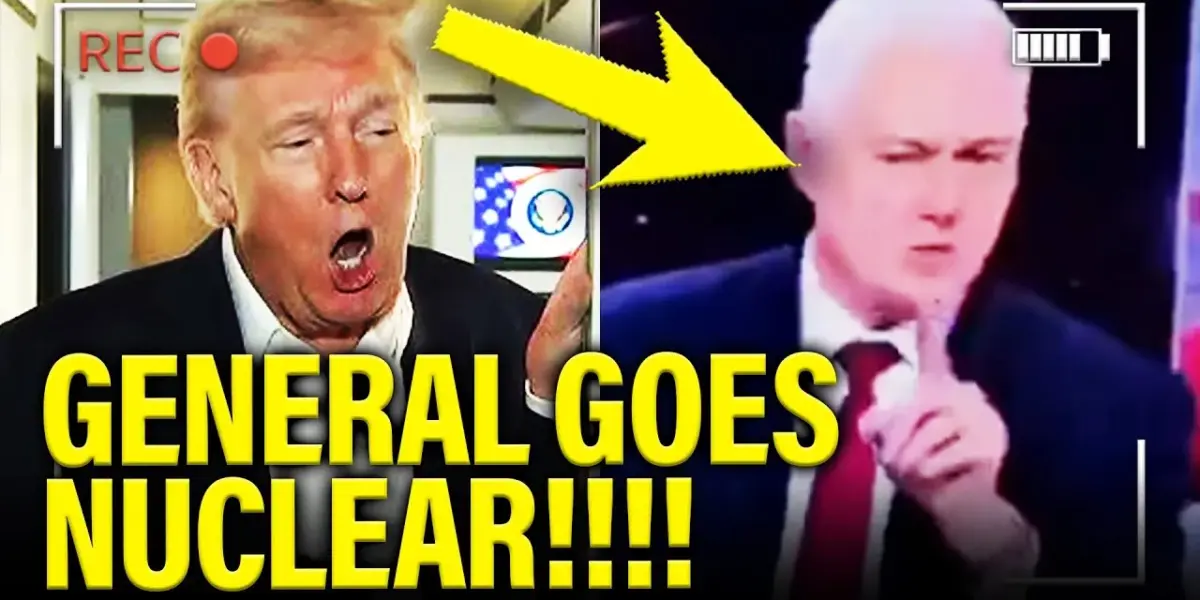
Trump’s Bold Claims Fall Flat as Iran Downs US Aircraft
President Trump recently stated that Iran’s air defenses were “essentially finished” and that U.S. planes could fly over the country without issue. However, this bold claim quickly proved false. Just days later, Iran shot down multiple U.S. aircraft, directly contradicting the president’s assessment of air superiority.
On a Friday, a U.S. F-15 fighter jet was shot down over Iran. Following this, another aircraft, an A-10 plane, was also downed. During the rescue efforts for the F-15 crew, two U.S. helicopters were fired upon. While one crew member from the F-15 was rescued, the other remained unaccounted for. The crew of the helicopters involved in the rescue were reported safe.
These events severely undermined the administration’s claims of “dominance over the skies of Iran” and “uncontested airspace.” The wreckage of the F-15 was shared widely on social media and Iranian state media, with U.S. officials later confirming the incident and the launch of a search and rescue operation.
Allies Question U.S. Military Strategy
The U.S. approach to the conflict has also drawn criticism from key allies. French President Emmanuel Macron publicly rejected President Trump’s strategy, stating that military solutions alone cannot fix the situation. He pointed to past interventions in Iraq, Afghanistan, and Libya as examples where bombing and military operations failed to deliver lasting peace.
Macron emphasized the importance of respecting national sovereignty and allowing people to determine their own path for regime change. He suggested that focusing solely on military action could lead to further escalation, a sentiment echoed by French General Mikuel Yakovlev. Yakovlev compared joining Trump’s strategy to “buying a ticket on the Titanic after it hit the iceberg,” and made pointed remarks about leadership behavior.
These critical comments from allies highlight a growing concern over the perceived erratic and dangerous nature of U.S. foreign policy decisions. The incidents in Iran and the reactions from international partners suggest a significant disconnect between the administration’s public statements and the reality on the ground.
Internal Shake-ups at the Pentagon
Adding to the controversy, reports indicate significant leadership changes within the U.S. military. Secretary Pete Hegseth has reportedly dismissed over a dozen senior military officers since taking office, including high-ranking officials like the U.S. Army Chief of Staff, General Randy George. These dismissals have occurred amidst a conflict and as the Pentagon considers intensifying strikes or a potential ground invasion of Iran.
The firings have been met with surprise and concern from within the military. A U.S. official told CNN that senior Army leadership was caught off guard, calling the decision “not very thought out.” General George, a respected officer with decades of experience, was previously noted for his efforts to close a dangerous outpost in Afghanistan, warnings that were not heeded and later resulted in a devastating attack.
These changes have also raised questions about representation within the military’s top ranks. Reports suggest that many of the dismissed or delayed promotions have involved women and Black officers. Secretary Hegseth has made it clear that his focus is on reviving a “warrior ethos” and eliminating what he calls “distractions and debris,” such as diversity, equity, and inclusion (DEI) initiatives.
Why This Matters
The downing of U.S. aircraft in Iran directly challenges the narrative of unquestioned American military dominance. It raises serious questions about the accuracy of intelligence and the effectiveness of military strategy being employed. The disconnect between official statements and battlefield realities can have severe consequences, potentially endangering service members and prolonging conflicts.
Furthermore, the criticism from allies like France indicates a widening rift in international partnerships. When key allies question a nation’s strategic decisions, it can undermine diplomatic efforts and collective security. This lack of unified support can embolden adversaries and complicate efforts to de-escalate tensions.
The internal shake-ups at the Pentagon, particularly the dismissal of experienced leaders and the focus on specific demographic groups, raise concerns about the stability and direction of U.S. military leadership. Such changes during a critical geopolitical moment could impact operational effectiveness and morale. The emphasis on a narrower definition of military readiness, potentially at the expense of diversity and inclusivity, may also have long-term implications for the armed forces.
Looking Ahead
The situation in Iran remains volatile. The administration faces the difficult task of reconciling its public claims with the evidence emerging from the conflict. Allies will likely continue to scrutinize U.S. actions, and the effectiveness of any military escalation remains uncertain.
The internal dynamics within the Pentagon will also be crucial to watch. How these leadership changes affect military planning and execution, and whether the focus on a specific ideology of military strength proves effective, will be key indicators of future U.S. defense policy. The potential for further missteps or escalations, coupled with a lack of international consensus, presents a challenging outlook.
Historical Context
Past military interventions in the Middle East, such as those in Iraq and Afghanistan, serve as stark reminders of the complexities and unintended consequences of military action. These conflicts often lasted for years, incurred significant human and financial costs, and did not always achieve their stated objectives. The current situation echoes some of the uncertainties and potential pitfalls seen in those earlier engagements.
The emphasis on regime change and the belief that military force can unilaterally solve complex geopolitical problems have been recurring themes in U.S. foreign policy. However, history has shown that such approaches often fail to account for local dynamics, national sovereignty, and the potential for prolonged instability. The current events in Iran highlight the ongoing debate about the limits of military power and the importance of diplomatic and strategic alternatives.
“If people want to change a regime, they want to react step, they can do so.”
This quote, from a critical perspective on military intervention, underscores the idea that genuine change must come from within a nation. It suggests that external military force may not be the most effective or legitimate way to achieve desired political outcomes.
Source: EU Generals TURN ON TRUMP as WAR reaches BREAKING POINT (YouTube)

Related Articles

Trump Threatens Iran with ‘Power Plant Day’ on Easter
President Trump issued a stern, profanity-laced ultimatum to Iran on Easter Sunday, threatening strikes on critical infrastructure like power plants and bridges if the Strait of Hormuz is not reopened by Tuesday evening. Despite diplomatic efforts by mediating nations, Iran has reportedly refused to negotiate, raising global concerns about potential escalation and economic fallout.
Trump’s Actions Threaten Global Stability, Experts Warn
Political scientist Dr. Larry Jacobs warns that Donald Trump's actions, characterized by "incompetence, insanity and incoherence," pose a threat to global stability. The discussion on "The Weekend Show" examined specific examples and their potential impact on elections and international relations.

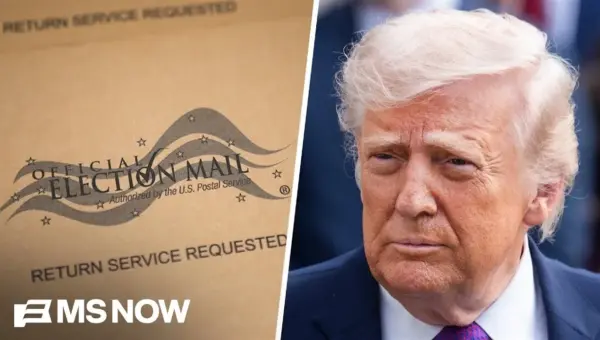
Trump’s Mail Voting Order May Backfire, Nevada Official Warns
Nevada's Secretary of State Cisco Aguilar is challenging former President Trump's executive order on mail-in voting, calling it unconstitutional and confusing. Aguilar argues states, not the President, control elections and that the order could disenfranchise voters, including Trump's own supporters. The order faces legal challenges over its impact on state election administration and local budgets.