Iran Shoots Down US Aircraft Amidst Escalating Tensions
Multiple US aircraft, including fighter jets and helicopters, have reportedly been hit by Iran, challenging claims of air superiority. This escalation occurs amidst a diplomatic stalemate and intense rhetoric, raising serious questions about transparency and the path forward in US-Iran relations.

Iran Shoots Down US Aircraft Amidst Escalating Tensions
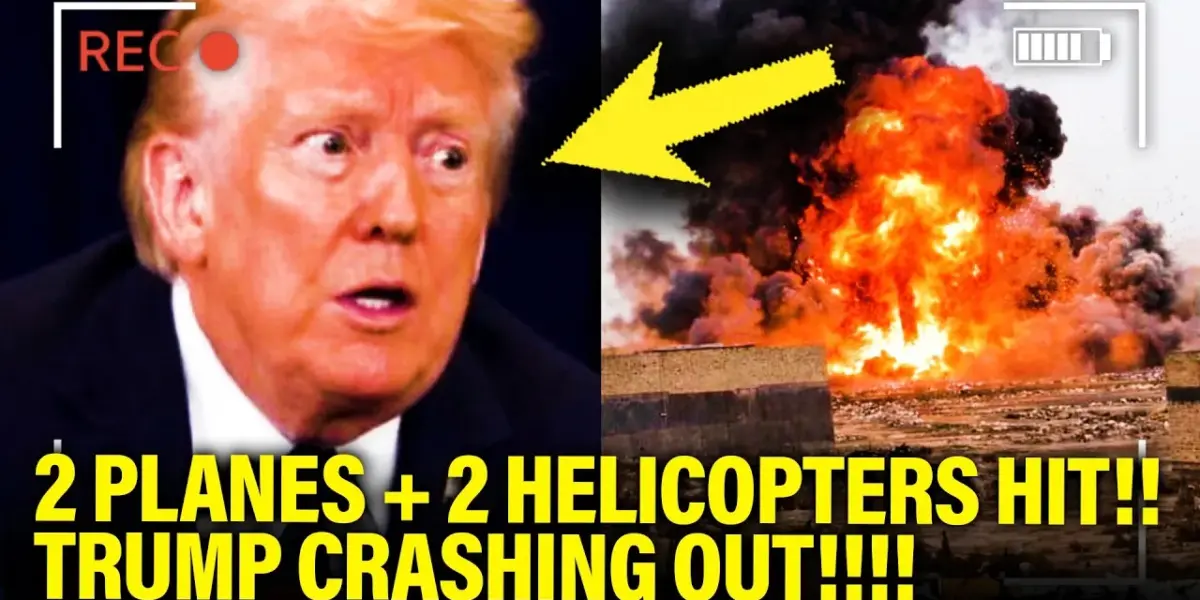
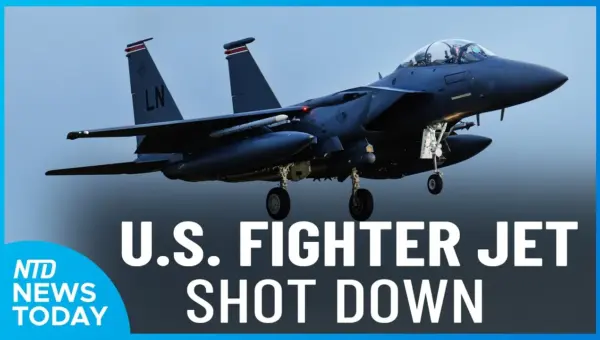
Recent events indicate a significant escalation in the conflict between the United States and Iran, with multiple US aircraft reportedly being hit. Initial reports confirmed an F-15E Strike Eagle was shot down over Iran. However, further details revealed that an A-10 Warthog combat plane and two HH-60G Pave Hawk helicopters were also struck. The helicopters were involved in search and rescue efforts for the downed F-15E pilot.
Conflicting Reports and Denials
This situation highlights a stark contrast between official statements and observed events. Before the confirmation of multiple aircraft being hit, US Central Command (CENTCOM) had issued a fact-check refuting claims by Iran’s Islamic Revolutionary Guard Corps (IRGC) that they had downed a fighter jet. CENTCOM stated all US fighter aircraft were accounted for, calling the IRGC’s claim false and noting it had been made repeatedly. However, the subsequent confirmation of four aircraft being hit suggests a potential misrepresentation of facts by US officials at the time.
“All US fighter aircraft are accounted for. Iran’s IRGC has made the same false claim at least half a dozen times.” – US CENTCOM (prior to confirmation of multiple aircraft being hit)
The discrepancy raises questions about the transparency of information during military operations. The transcript suggests that the official narrative may have been misleading, with the reality on the ground being more severe than initially reported. This has led to accusations that the “Trump regime” provided lies, and that the public had to uncover the truth through other means.
Diplomatic Stalemate and Rhetoric
Amidst these military actions, diplomatic efforts appear to be stalled. Iran has reportedly reiterated its refusal to meet with US officials, despite mediation efforts led by Pakistan. The transcript points to Iran’s clear “non-negotiables,” which include maintaining its ballistic missile program, controlling the Strait of Hormuz, keeping its drones, seeking reparations, removing US military bases from the Middle East, and securing guarantees for various groups and nations in the region.
The rhetoric from former President Donald Trump and his allies has been particularly strong. Statements about achieving “complete and total air superiority” over Iran and the ability to “loiter over Iran and rain down death” are contrasted with the reality of US aircraft being shot down. Trump’s comments to NBC News, suggesting the downing of US aircraft would not affect negotiations, were made while acknowledging the ongoing conflict. His public statements, such as “Keep the oil, anyone,” and the desire to “take the oil and make a fortune,” reflect a more aggressive and economically driven stance.
Historical Context and Escalation
This situation is not entirely new. There has been a history of tensions and military posturing in the region. Previous statements by figures like Pete Hegseth have emphasized a strategy of “negotiating with bombs” and maintaining an aggressive air presence. The idea of “uncontested airspace” and “finding, fixing, and finishing” Iranian military assets has been a recurring theme. Trump himself has previously claimed victory in a “war” with Iran, stating that the US had “knocked out their navy, their air force. We’ve knocked out their anti-aircraft. We’ve knocked out everything.” This assertion of dominance is now challenged by the reported downing of multiple aircraft.
The transcript also mentions a significant increase in the US defense budget, with Trump announcing a $1.5 trillion budget for the Department of Defense, while simultaneously discussing a lack of funds for domestic programs like Medicare and Medicaid. This focus on military spending, even as domestic needs persist, is a point of contention.
International Reactions and Absurdity
International reactions have included skepticism and criticism. A French general reportedly questioned US plans, suggesting American officials should “stop snorting cocaine between meetings.” This sentiment reflects a perception of erratic or irrational decision-making within the US administration. The image of Trump reportedly blasting “God Bless America” at full volume from the White House while these events unfold is described as “deranged” and “demented” in the transcript.
Meanwhile, Iran has responded with its own messaging campaigns, including animated videos that mock US officials like Pete Hegseth. These videos highlight perceived hypocrisy and personal failings, using them to rally domestic support and counter US narratives.
Intensified Strikes and Ongoing Operations
In response to the reported aircraft losses, the US and Israel have reportedly intensified strikes against military and infrastructure targets within Tehran. This further escalates the conflict, occurring while search and rescue operations for the remaining pilot are still underway. The situation is described as a “complete and utter mess,” with ongoing developments requiring continuous attention.
Why This Matters
The downing of US aircraft in Iranian airspace represents a critical moment in a volatile geopolitical situation. It challenges claims of US air superiority and reveals potential cracks in official information dissemination. The incident underscores the deep mistrust between the two nations and the difficulty of achieving diplomatic resolutions amidst escalating military actions and aggressive rhetoric. The stark contrast between pronouncements of victory and the reality of losses highlights the dangers of overconfidence and misinformation in international relations. This event could significantly impact regional stability, global oil markets, and the broader political landscape, potentially leading to further conflict or forcing a re-evaluation of current strategies.
Implications, Trends, and Future Outlook
The trend of escalating conflict and information warfare is evident. Both sides are using media and public statements as tools to shape narratives and gain strategic advantage. The future outlook suggests a continued period of high tension, with a risk of miscalculation leading to wider conflict. The effectiveness of current US military strategies in the region is being questioned, and the diplomatic path forward appears increasingly challenging due to Iran’s firm stance and the breakdown of trust. The reliance on military posturing over genuine negotiation could lead to a prolonged and costly confrontation, with significant global consequences.
Source: Trump CRASHES OUT as 4 MORE US AIRCRAFT HIT in WAR!!! (YouTube)

Related Articles


Cuba Rejects ‘Surrender’ Amid U.S. Pressure, Seeks Dialogue
Cuban Ambassador to the UN Ernesto Soberron Guzman stated that 'surrender' is not in the Cuban dictionary amid U.S. pressure. He detailed severe humanitarian impacts from the U.S. oil blockade, including delayed surgeries and food shortages. Cuba remains open to dialogue with the U.S. but insists on respecting its sovereignty and internal affairs.
Iran War: Killing Leaders Won’t Topple Regime, Experts Warn
Experts warn that eliminating Iran's leaders may not be enough to topple the regime, suggesting a more complex strategy is needed. The ongoing conflict raises concerns about a prolonged, cyclical war rather than a decisive victory, especially with upcoming elections influencing political timelines.
Iran Strikes Fuel Geopolitical Tensions, Disinformation Wars
Geopolitical tensions rise as a US fighter jet is reportedly shot down over Iran, amid allegations of a coordinated disinformation campaign potentially involving China. Meanwhile, the US economy shows resilience with strong job growth, and concerns mount over China's technological and trade practices, including alleged bullying of Panama and expanded tech restrictions.