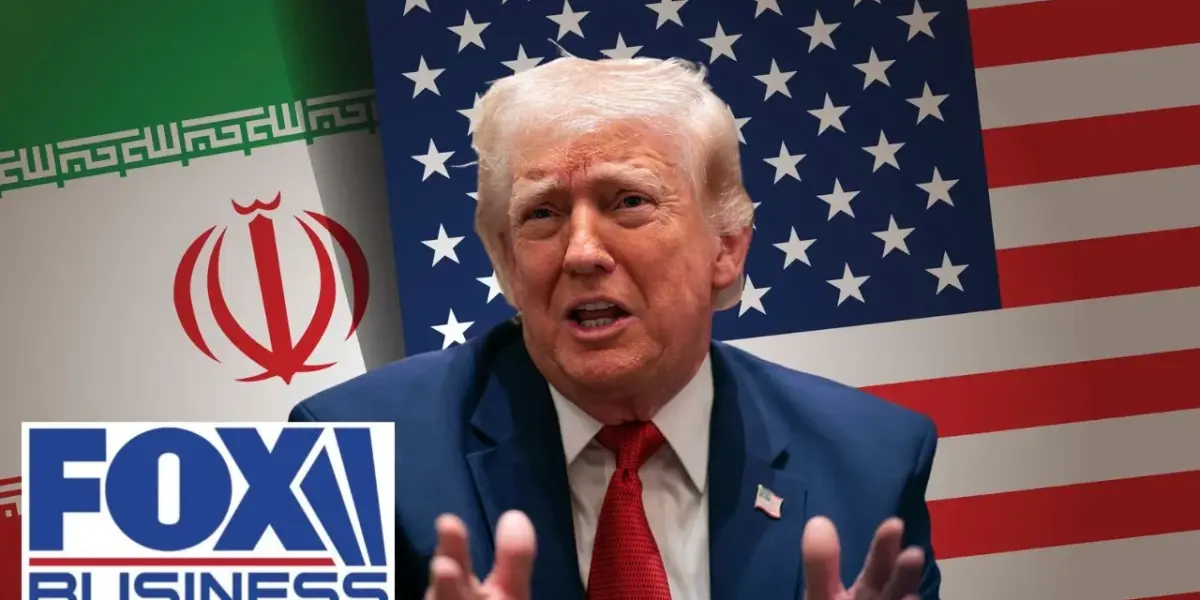
Iran Sends Oil Gift; Trump Pauses Energy Strikes
President Trump has paused energy strikes against Iran for ten days, a move linked to the passage of Iranian tankers and ongoing "substantial" talks. Meanwhile, the Senate passed a bill funding the Department of Homeland Security, but without immigration reform.

Iran Sends Oil Gift; Trump Pauses Energy Strikes
The Iranian regime is reportedly admitting defeat and seeking negotiations, signaling a potential de-escalation in the Middle East. This development comes as President Trump announced a ten-day pause on energy strikes, a move described as a “present” from Iran following the passage of ten tankers through the Strait of Hormuz.
The Pentagon is also reportedly preparing to send an additional 10,000 ground troops to the region. This buildup aims to provide the commander-in-chief with more military options as peace talks with Iran progress. These talks involve “substantial discussions with the right people,” according to administration officials.
Market Reaction and Oil Prices
The situation with Iran has a direct impact on global oil prices. Experts suggest that a quicker resolution with Iran could lead to lower oil prices, a benefit consumers have seen since President Trump’s election. High oil prices have historically been a burden, and recent instability in the Middle East has threatened energy production and the ability to project power in the region.
The prospect of renewed energy production opportunities, such as those in Venezuela, combined with a more stable Middle East, could further bolster energy markets. A Wall Street Journal editorial cautioned against ending the conflict prematurely, warning that it could be shortsighted and leave objectives unmet. The concern is that turmoil might force President Trump into a premature resolution before objectives are fully achieved.
Military Posture and Strategy
Regarding the deployment of additional troops and potential operations on Iranian islands, some express comfort with the administration’s strategy. The challenges faced in places like Iraq highlight the complexities of military interventions. The goal appears to be exerting maximum pressure on adversaries and diminishing Iran’s ability to project power and fund proxy groups, thereby reducing regional instability.
The focus seems to be on controlling oil extraction and driving down global costs, rather than directly targeting oil refineries or tanker facilities. While airpower and ground troops are considered, a line is drawn at certain escalatory actions. The Pentagon’s potential involvement in a $200 billion funding initiative is also a consideration for lawmakers.
Homeland Security Funding Bill Passes Senate
In parallel to the international developments, the Senate passed a bill to fund most of the Department of Homeland Security (DHS). This includes funding for the Transportation Security Administration (TSA), addressing potential airport delays. The bill also provides funds for Immigration and Customs Enforcement (ICE) operations and Customs and Border Protection.
Notably, the bill does not include the immigration reform measures initially requested by Democrats. The legislation now moves to the House of Representatives for consideration before a two-week recess. Lawmakers are eager to end the government shutdown and restore essential services funded by taxpayer dollars.
Debate Over Immigration Enforcement
There is a clear division on immigration policy, with some lawmakers advocating for a tough stance. They point to the need to remove individuals who have committed crimes, citing a website, dhs.gov, that details crimes committed by undocumented immigrants. The argument is that ICE must be fully funded to protect communities and enforce immigration laws.
This perspective suggests that Democratic proposals are “giveaways” and “crazy ideas” aimed at pandering to the far-left. Conversely, others view the funding debate as politically motivated, with Democrats seeking to avoid alienating their base. Polls indicate strong public support for a secure border, aligning with the President’s platform.
Budget Reconciliation and Future Funding
Momentum is building among some congressional Republicans to use budget reconciliation for new immigration enforcement funding. This process could potentially include funds for border security and CBP. Leaders suggest this is a viable option to affirm the public’s desire for a secure border.
Reconciliation would allow for the passage of certain measures with a simple majority in the Senate. This strategy might also be used to address concerns about fraud in various programs, particularly in some states, and to ensure that ICE is fully funded. The overarching goal is to protect the homeland amidst international conflicts and domestic security concerns.
Looking Ahead
The coming days will be crucial for both foreign policy developments with Iran and domestic legislative action on homeland security funding. Lawmakers aim to quickly pass the DHS funding bill and get the government fully operational, ensuring that taxpayers receive the services they expect.
Source: Trump REVEALS present from Iran, EXTENDS pause on energy strikes (YouTube)

Related Articles

Rubio: US Can Achieve Iran War Goals Without Troops
Senator Marco Rubio outlined a strategy to counter Iran without deploying U.S. ground troops, focusing on weakening the regime and enhancing maritime security. He also criticized Cuba's economic system and expressed concerns about West Bank violence.


Israel Escalates Iran Strikes, Warns of Wider War
Israel has launched significant strikes inside Iran following continued missile fire, warning of further escalation. The conflict risks wider regional instability and economic disruption, especially concerning the Strait of Hormuz.

Trump’s Name Everywhere: A ‘Stain’ on GOP Legacy?
Former President Donald Trump's efforts to brand national symbols, including a proposed signature on dollar bills, spark debate. Critics view this as an authoritarian attempt to embed his legacy, potentially staining the Republican Party's history and contrasting with democratic ideals of public ownership.