Iran Seizes Strait, Challenging US and Israel
Iran is tightening its control over the Strait of Hormuz, a vital global oil route, despite claims of a ceasefire. This strategic move, which has seen passage severely restricted, allows Iran to gain leverage against Israel and the U.S. The article argues these actions are calculated policy decisions, not military failures.

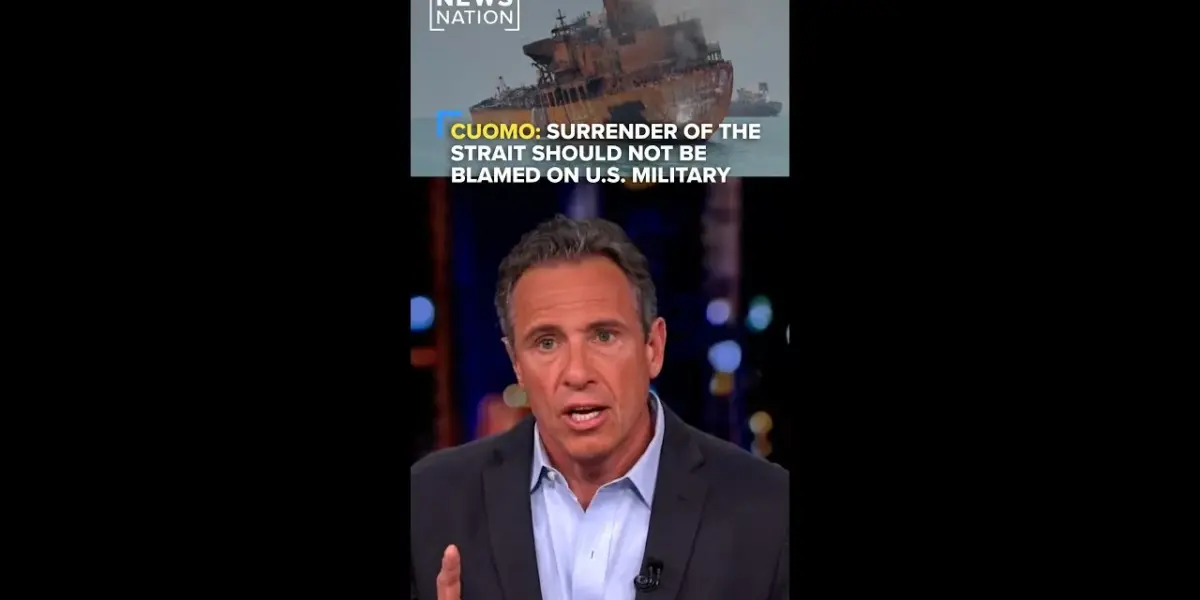
Iran Tightens Grip on Strategic Strait Amid Ceasefire Violations
Tensions Flare as Iran Fires on Allies, Israel Retaliates
Just one day into a supposed ceasefire, the situation in the Middle East has dramatically worsened. Iran fired missiles at Israel and the UAE shortly after agreeing to a truce. In response, Israel launched powerful strikes against Hezbollah in Lebanon, reportedly killing over a hundred people. Both Israel and the White House stated that Lebanon was not included in the ceasefire agreement. This escalation has significantly heightened regional tensions.
Iran’s Calculated Move: Using Leverage in Strait of Hormuz
The regime in Iran appears to be using the current situation to its advantage. It is now demanding various concessions from Israel and the United States. This contradicts claims from the Biden administration that Iran is desperate for a deal. The article questions if Iran’s actions, such as “closing” the Strait of Hormuz, truly reflect desperation. The Strait, a vital waterway for global oil transport, was never fully closed. Iran’s actions suggest it is playing a strategic game rather than showing weakness.
Strait of Hormuz: A Symbol of Control and Influence
Iran’s repeated actions regarding the Strait of Hormuz are a critical point of contention. While Iran claims to be restricting passage, the reality is that only a few ships have been prevented from sailing through. Before the recent conflict, around 100 ships passed through the strait daily. The article emphasizes that the control and potential disruption of this strait are the result of policy decisions, not a failure of the U.S. military. U.S. forces are credited with performing with high efficiency in the region.
U.S. Military Performance and Civilian Casualties
The author acknowledges that war is inherently destructive and can lead to tragic mistakes. There have been isolated incidents, such as a university and a school being hit, resulting in the deaths of young girls. However, the article argues that these events, while terrible, are a consequence of the broader conflict. The focus remains on the strategic decisions that impact the control of vital waterways like the Strait of Hormuz. These decisions, it is argued, are made by the administration, not by the military on the ground.
Historical Context and Geopolitical Stakes
The Strait of Hormuz has long been a focal point of geopolitical competition. Its strategic location, connecting the Persian Gulf to the open ocean, makes it essential for energy security and global trade. Iran has historically used its position to exert influence and pressure adversaries. The current standoff is part of a larger pattern of regional power struggles, involving Iran, Israel, and the United States, with significant implications for global stability.
Economic Ramifications and Future Scenarios
Disruptions in the Strait of Hormuz have immediate and severe economic consequences. A significant portion of the world’s oil supply passes through this narrow channel. Any prolonged closure or major incident could lead to soaring energy prices and global economic instability. The article suggests that Iran’s actions are a calculated risk, aimed at gaining leverage in negotiations. Future scenarios could involve further escalation, diplomatic breakthroughs, or a prolonged period of heightened tension and limited trade through the strait.
Global Impact: Reshaping the World Order
The ongoing events surrounding the Strait of Hormuz have far-reaching implications for the global order. They highlight the vulnerability of international trade routes and the complex web of alliances and rivalries in the Middle East. Iran’s assertive stance challenges the existing security arrangements and the influence of the United States in the region. This situation forces other global powers to reassess their energy security strategies and diplomatic approaches, potentially leading to a recalibration of international relations and a shift in the balance of power.
Source: Chris Cuomo: Surrender of the strait should not be blamed on U.S. military | CUOMO (YouTube)

Related Articles


US Tightens Grip: Iran Strait Blockade Sparks Global Oil Fears
The U.S. is threatening to block Iranian ports, a move that could severely disrupt global oil supplies. This action tests international law and puts major economies like China and India at risk of inflation. The standoff signals a potential shift in global power dynamics.

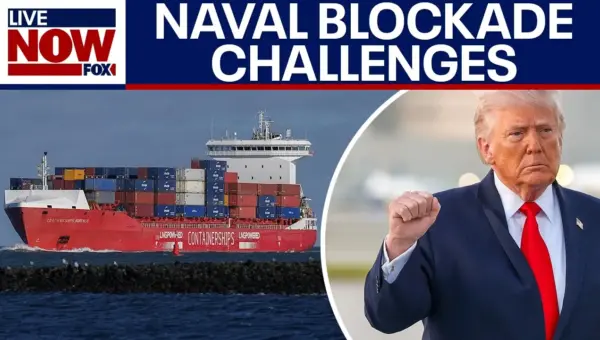
Trump Orders Iran Strait of Hormuz Blockade
President Trump has ordered an immediate U.S. Navy blockade of the Strait of Hormuz following failed negotiations with Iran. The move aims to halt all maritime traffic, but experts warn of significant risks, including potential confrontations with other nations and economic repercussions. The situation remains volatile as both sides may have used a recent ceasefire to resupply and prepare for further conflict.
US Navy Blockades Strait of Hormuz, Targets Iranian Tolls
The U.S. Navy has initiated a blockade of the Strait of Hormuz, targeting vessels paying Iranian transit tolls. This move aims to cut off Iranian revenue and follows failed diplomatic talks. The action carries significant geopolitical risks, particularly concerning potential Chinese involvement.