Iran Sees Trump Cornered, Demands More Than Ceasefire
Iran believes President Trump is cornered and seeking a deal, according to former U.S. advisor Vali Nasr. Nasr disputes Trump's claims of Iranian desperation, stating Tehran seeks more than a ceasefire and demands significant changes to its regional status and economic conditions.

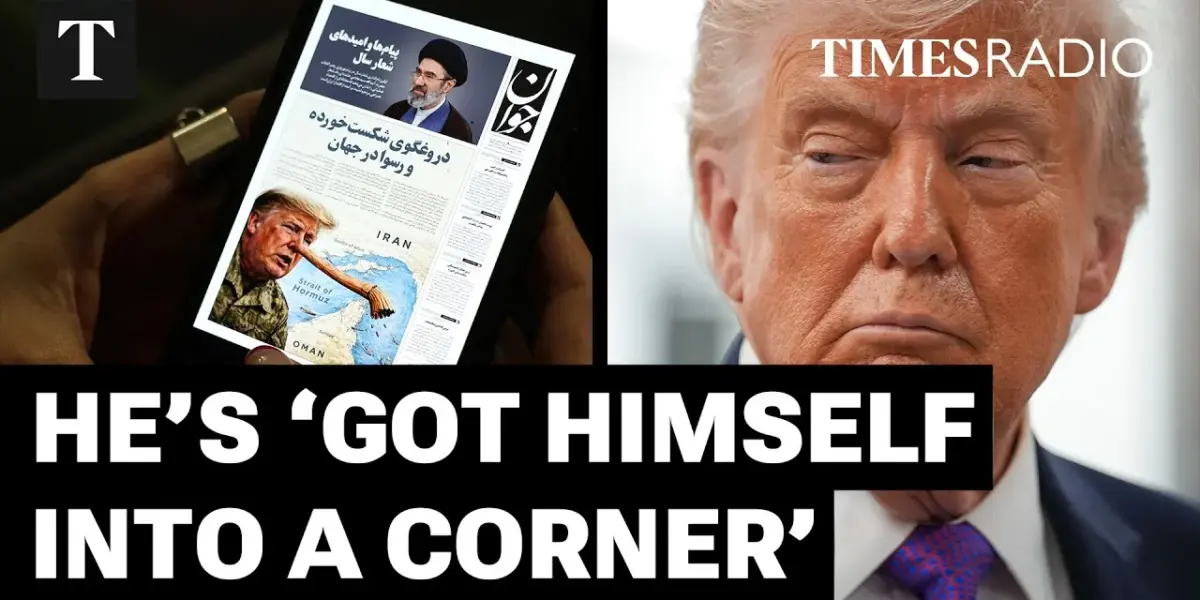
Iran Believes Trump is Trapped, Seeks Deal Beyond Status Quo
Tehran believes President Donald Trump has backed himself into a corner, leaving escalation as his only perceived option. This is the assessment from Professor Vali Nasr, a former U.S. government advisor and expert on Middle East studies. Nasr suggests that Iran sees Trump’s tough talk as a tactic to create negotiating space, rather than a genuine sign of desperation from Tehran.
President Trump has repeatedly claimed that Iran is eager to strike a deal. Speaking recently, he stated, “Anybody that saw what was happening over there would understand why they want to make a deal.” He further described them as “great negotiators” who are “begging to work out a deal.” However, Professor Nasr disagrees with this characterization.
Expert Skeptical of Iran’s Desire for Talks
“No, I don’t think so,” Nasr responded when asked if the Iranian leadership is begging for a deal. He believes Trump’s statements are primarily aimed at his domestic audience and the markets. “It helps bring down the price of oil. It helps calm the markets,” Nasr explained. “But there is no indication at all that the Iranians are willing or ready to talk to the United States.” He added that Iran is certainly not considering talks on the terms laid out in a leaked U.S. proposal.
Iran Unfazed by Threats, Sees Strategic Gains
Regarding Trump’s threats to unleash “hell on Iran” if it doesn’t capitulate, Nasr indicated that Iran is accustomed to such rhetoric. “They’re by now used to President Trump’s bombast,” he said. Nasr believes Iran views Trump as having painted himself into a corner, forcing his hand toward escalation without the ability to prevent Iran’s counteractions.
“I think they believe that President Trump has got himself into a corner that the only path in front of him is to escalate,” Nasr stated. “And he’s not able to prevent Iran from counter escalating.” He suggested that Trump’s tough stance is largely an effort to build leverage for future negotiations.
Despite the U.S. military buildup, including the convergence of airborne troops and Marines, Nasr argued that Iran is not significantly weakened or intimidated. He pointed to Iran’s continued missile launches and its impact on global energy markets as evidence of its resilience. “So I don’t think the Iranians really think that they are quite on the back foot,” he noted.
Debating Iran’s Military Capability and Resilience
While acknowledging that an air war can be devastating, Nasr questioned the U.S. ability to achieve its objectives without incurring significant costs. He cited the U.S. inability to prevent Iranian drone and missile attacks on Gulf infrastructure and energy markets.
Nasr also raised concerns about the potential consequences of a U.S. invasion. “Can it hold it at what cost?” he asked. “And can Iran then retaliate in a much wider way against the rest of the Gulf?” He emphasized that the conflict is less about who is stronger and more about who can endure greater costs.
“Iran’s advantage is not that it can match American firepower,” Nasr explained. “Iran’s advantage is that it can wage a guerrilla warfare against the United States in a way that the United States cannot end this war quickly to its satisfaction.”
Iran’s Demands for Ending the Conflict
Professor Nasr outlined Iran’s conditions for ending the conflict, stating they seek more than just a ceasefire. “They want an end to the war and end to wars,” he said. Key demands include guarantees against future conflict, economic relief and compensation for damages, control over the Strait of Hormuz, and the withdrawal of U.S. bases from the region.
“They want guarantees that the war would not repeat. They want economic relief and compensation for damage done to Iran,” Nasr detailed. “They want control of the Strait of Hormos going forward. They want US bases to leave the region because they point to war against them.” Iran also desires a ceasefire in Lebanon.
While acknowledging that Iran is unlikely to get all its demands met, Nasr stressed that these demands signal Iran’s desire for a fundamental change in its situation. “They want an end to the war in a way that their situation at the end of the war is not their situation at the beginning of the war.” Iran is willing to fight longer, expecting to compel the U.S. to negotiate meaningful changes to its current status.
Looking Ahead: A Test of Endurance
The situation suggests a prolonged standoff rather than an imminent diplomatic breakthrough. Iran’s willingness to endure significant costs, coupled with its ability to inflict economic pain on the West, positions the conflict as a test of stamina. The coming weeks will likely reveal whether diplomatic channels can be opened under these heightened tensions, or if the conflict will continue to escalate, driven by each side’s perceived strategic necessities.
Source: Iran Thinks Trump ‘Has Got Himself Into A Corner’ | Vali Nasr (YouTube)

Related Articles
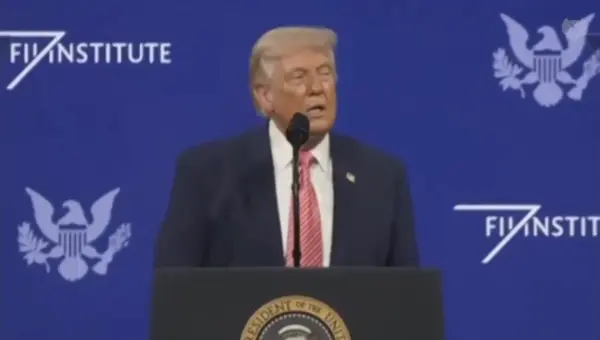
Trump’s Warpath: New Threats Signal Imperial Ambitions
Recent statements from Donald Trump reveal a potential embrace of increased military action and interventionist foreign policy. This approach, characterized by critics as "imperialism 2.0," contrasts with his past promises of peace and has even drawn criticism from parts of his own base. The implications for U.S. global engagement and domestic priorities are significant.
US Troops Wounded in Saudi Base Attack by Iran
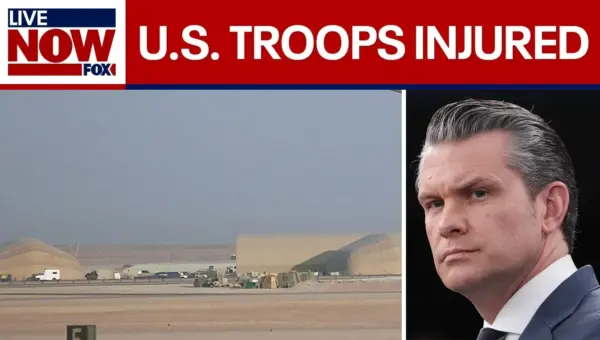
An Iranian missile attack on Prince Sultan Air Base in Saudi Arabia wounded multiple U.S. service members and damaged aircraft. The incident highlights the ongoing risks in the Middle East and the limitations of air defense systems. Analysts discuss the strategic implications, economic pressures, and the isolation of Iran amidst the conflict.
CPAC Divided: Trump’s Iran War Splits Conservative Base
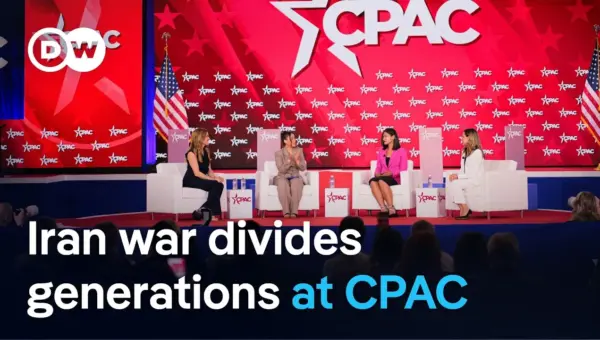
The annual CPAC gathering in Texas revealed deep divisions within President Trump's base over the U.S. war in Iran. While some supporters trust Trump's strategy, others, particularly younger conservatives, worry about the conflict's impact on the "America First" agenda. The conference also saw a notable absence of President Trump and other high-profile figures, contributing to a different energy compared to previous years.