Iran Seeks Vance as US Envoy Amid Shifting War Aims
New peace talks are underway, but Iran remains skeptical due to past U.S. actions. Analysts suggest U.S. war aims lack clarity, complicating negotiations. Iran has reportedly requested J.D. Vance's presence, viewing him as a war skeptic.

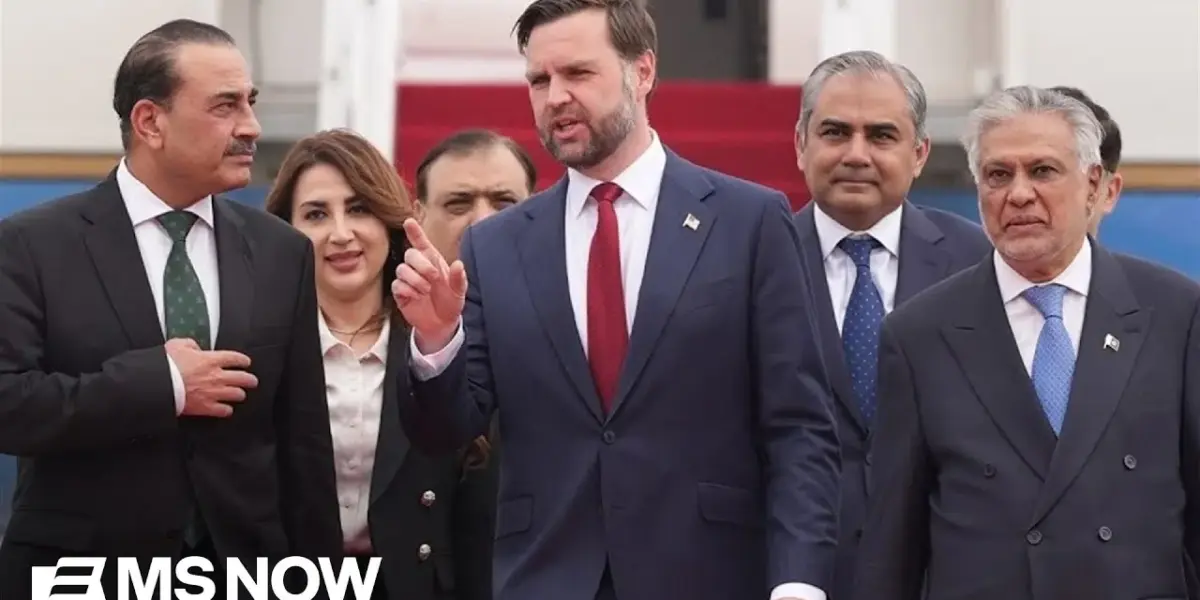
Peace Talks Resume Amid Deep Skepticism
New peace talks are underway, with negotiators meeting in separate rooms – a standard practice in these discussions. However, the shadow of past U.S. and Israeli strikes on Iran following previous negotiations looms large, leaving Iran deeply skeptical of the process. Analysts report that Iran is feeling confident and plans to take a firm stance, pushing for an immediate halt to all fighting in Lebanon.
U.S. Strategy Lacks Clarity, Analysts Say
Adding to the complex situation, a recent analysis suggests that even if Iran’s government wished to reach an agreement, it faces significant hurdles. The U.S. has struggled to clearly communicate its war aims to the public, Congress, or the international community. President Trump’s stated demands are often difficult to meet because they seem to change frequently, and it’s unclear if any of his advisors hold significant sway over his decisions.
During a press conference, President Trump declared, “I have the best plan of all, but I’m not going to tell you what my plan is.”
This approach, while perhaps typical of Trump, presents serious problems for diplomacy. Experts note that there’s a fine line between strategic ambiguity and a complete refusal to state one’s objectives. It is incredibly difficult to conduct meaningful negotiations without clear goals and defined red lines.
Conflicting Accounts Plague Ceasefire Efforts
The U.S. entered the recent ceasefire talks without a clear sense of its objectives. This lack of direction led to conflicting accounts from both sides regarding what had been agreed upon, even for a temporary truce. Moving from such a fragmented ceasefire to a lasting agreement without clear U.S. leadership appears nearly impossible, according to observers.
This pattern of conflicting information is not new. Similar discrepancies occurred last June and at the start of the war, with different parties – the Omanis, Iranians, and Americans – providing distinct versions of events.
Iran’s Strategic Win: J.D. Vance’s Presence
A significant development in the current talks is the presence of J.D. Vance, who is reportedly there at Iran’s specific request. This is seen by many experts as a major win for Iran. They view Vance as a skeptic of the war, someone who does not necessarily want the conflict to continue. His inclusion boosts Iran’s confidence and supports a narrative back home that the U.S. is faltering.
Vance’s position as an elected government official and a senior figure in the administration, outranking Iranian Speaker of Parliament, adds another layer to the cultural and political dynamics. This perceived U.S. vulnerability is a narrative Iran can use to its advantage.
Key Issues to Watch: Lebanon and Strait of Hormuz
Two critical areas demand attention in the ongoing discussions. Firstly, there is immense pressure on Iran to help end the fighting in Lebanon. Any progress or reduction in hostilities there will be a key indicator of the talks’ potential success.
Secondly, conflicting reports have emerged regarding the situation in the Strait of Hormuz. While President Trump suggested on social media that large numbers of empty oil tankers were heading to the U.S. from the Strait, shipping experts indicate these tankers are actually coming from Singapore. The hope is that a ceasefire will allow for safe passage through the Strait, but Iran has not yet formally agreed to this.
Looking Ahead
The coming days will be crucial in determining whether the current diplomatic efforts can overcome deep-seated skepticism and a lack of clear U.S. objectives. Watch closely for developments in Lebanon and any concrete agreements regarding passage through the Strait of Hormuz, as these will signal the true direction of the peace process.
Source: David Rohde: "The Iranians asked for JD Vance to be there" during peace talks (YouTube)

Related Articles

JD Vance Faces Iran Conflict Resolution Challenge
JD Vance is spearheading critical negotiations in Islamabad aimed at resolving the ongoing conflict with Iran. The mission faces significant hurdles, including Iranian demands and potential Israeli interference, all while the White House contends with domestic concerns over inflation and the rising cost of living.

Vance Meets Pakistan PM Amid U.S.-Iran Tensions
U.S. Vice President JD Vance met with Pakistan's Prime Minister in Islamabad shortly before crucial U.S.-Iran talks. The meeting highlights Pakistan's strategic importance and ongoing diplomatic efforts in a sensitive region.

US-Iran Peace Talks Hit Major Roadblocks in Islamabad
High-level peace talks between the United States and Iran have commenced in Islamabad, Pakistan, but face significant obstacles. Preconditions set by Iran, including an immediate ceasefire between Hezbollah and Israel and sanctions relief, threaten to derail the negotiations. Key sticking points include Iran's nuclear program and control over the Strait of Hormuz, with both sides claiming advantage.