Iran: Schoolgirls’ Graves Prepared Amid Crackdown
Authorities in Iran have reportedly begun preparing graves for schoolgirls killed in a recent strike in Ardabil, signaling an escalation of the crackdown on dissent. This grim development follows months of widespread protests sparked by the death of Mahsa Amini, with women and girls leading the charge for greater freedoms.

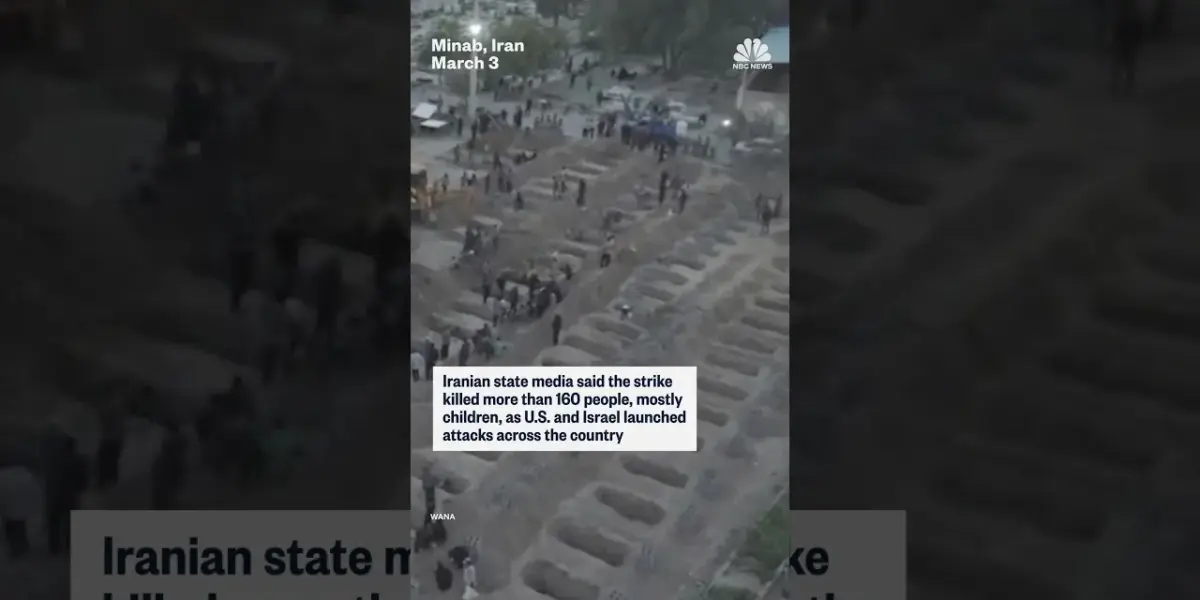
Iran Prepares Graves for Schoolgirls Killed in Attack
In a chilling development that underscores the escalating repression in Iran, authorities have reportedly begun preparing graves for schoolgirls who lost their lives in a recent strike. The incident, which occurred in the city of Ardabil, has drawn widespread condemnation and highlighted the increasingly brutal tactics employed by the Iranian regime against its own citizens, particularly young women and girls advocating for greater freedoms.
The Ardabil Incident: A Grim Precursor
Details surrounding the exact nature of the strike and the number of casualties remain scarce, a common characteristic of information dissemination within Iran’s tightly controlled media landscape. However, reports indicate that the incident in Ardabil, a city in northwestern Iran, involved the deaths of several school-aged girls. The preparation of graves in advance of official pronouncements or thorough investigations suggests a pre-determined narrative and a swift effort to manage the aftermath of the violence.
This disturbing preparation is not an isolated event but rather part of a broader pattern of violence and suppression that has gripped Iran since the death of Mahsa Amini in September 2022. Amini, a 22-year-old Kurdish woman, died in the custody of the morality police after being arrested for allegedly violating the country’s strict dress code. Her death ignited a wave of protests across the nation, with women at the forefront, demanding an end to the compulsory hijab and broader political and social reforms.
Widespread Protests and Government Response
The protests, often met with a violent crackdown by security forces, have seen thousands of Iranians take to the streets, chanting slogans against the ruling clerical establishment. The government’s response has been characterized by mass arrests, harsh prison sentences, and, tragically, the use of lethal force. The targeting of educational institutions and the young students within them represents a particularly alarming escalation, signaling a willingness to silence even the most vulnerable voices demanding change.
International human rights organizations have consistently documented and condemned the human rights abuses occurring in Iran. Reports from groups like Amnesty International and Human Rights Watch have detailed the systematic use of excessive force, including live ammunition, against protesters, as well as the arbitrary detention and torture of activists, journalists, and ordinary citizens. The alleged preparation of graves for young victims in Ardabil aligns with these documented patterns of state-sponsored violence and the subsequent attempts to control the narrative and suppress dissent.
The Role of Women and Girls in the Movement
The current wave of protests in Iran is unique in its leadership by women and girls. Their courage in challenging deeply entrenched patriarchal norms and theocratic rule has become a powerful symbol of resistance. The compulsory hijab, a cornerstone of the Islamic Republic’s social policy since its inception, has become a focal point of the protests, representing a broader struggle for personal autonomy and freedom from state control. The government’s response, including the alleged killing of schoolgirls, demonstrates a deep-seated fear of this burgeoning movement and a determination to crush it at any cost.
Broader Implications and International Scrutiny
The events in Ardabil and the broader crackdown in Iran have significant implications for the region and the international community. The ongoing human rights crisis raises serious questions about the legitimacy of the Iranian government and its commitment to the well-being of its citizens. International bodies, including the United Nations, have faced pressure to take stronger action against the Iranian regime, though divisions among member states have often hampered unified responses.
The consistent targeting of young people, particularly girls and women, in the government’s crackdown poses a grave threat to Iran’s future. By silencing the voices of its youth and resorting to extreme violence, the regime risks alienating an entire generation and deepening the societal divisions that fuel the ongoing unrest. The international community continues to monitor the situation closely, with calls for accountability and an end to the violence growing louder.
Looking Ahead
The situation in Iran remains fluid and deeply concerning. The reported preparation of graves for schoolgirls in Ardabil serves as a stark reminder of the ongoing human rights crisis. As the protests continue and the government’s response intensifies, the world will be watching to see if international pressure can translate into tangible change and an end to the violence. The resilience of the Iranian people, particularly its women and youth, in the face of such adversity will undoubtedly shape the future trajectory of the nation.
Source: Graves prepared for victims of Iranian school strike (YouTube)

Related Articles


Russia’s Iran Deal: A Partnership’s Limits Revealed
The strategic partnership between Russia and Iran is being re-evaluated as questions arise about its mutuality and Russia's capacity to fulfill its commitments. Journalist Joe Luke Barnes discusses the shifting dynamics, Russia's limited global reach, and the enduring legacies of the Soviet Union.


Iran Under Siege: Air and Sea Assaults Devastate Regime Targets
Iran is currently facing an intense aerial and naval bombardment, with widespread strikes targeting its military infrastructure and ships. The offensive, involving advanced weaponry and coordinated efforts by the US and Israel, marks a significant escalation with profound implications for regional stability.


US Declares Decisive Victory in Iran as Operation Epic Fury Unleashed
The U.S. is achieving a decisive victory in Iran as Operation Epic Fury unleashes devastating force, according to Defense Secretary Pete Hegseth. In just four days, the operation has reportedly secured uncontested control of Iranian airspace and neutralized significant military and naval assets. The Pentagon declared that America is winning 'decisively, devastatingly and without mercy.'