Iran School Bombing Exposes Deep US Deception and Decay
The bombing of a girls' school in Iran has exposed a pattern of deception and lack of accountability within the US administration. Preliminary evidence points to a US missile strike, yet official narratives have shifted and allegedly lied. This incident, coupled with a broader trend of untruths, raises serious concerns about public trust and the future of American governance.

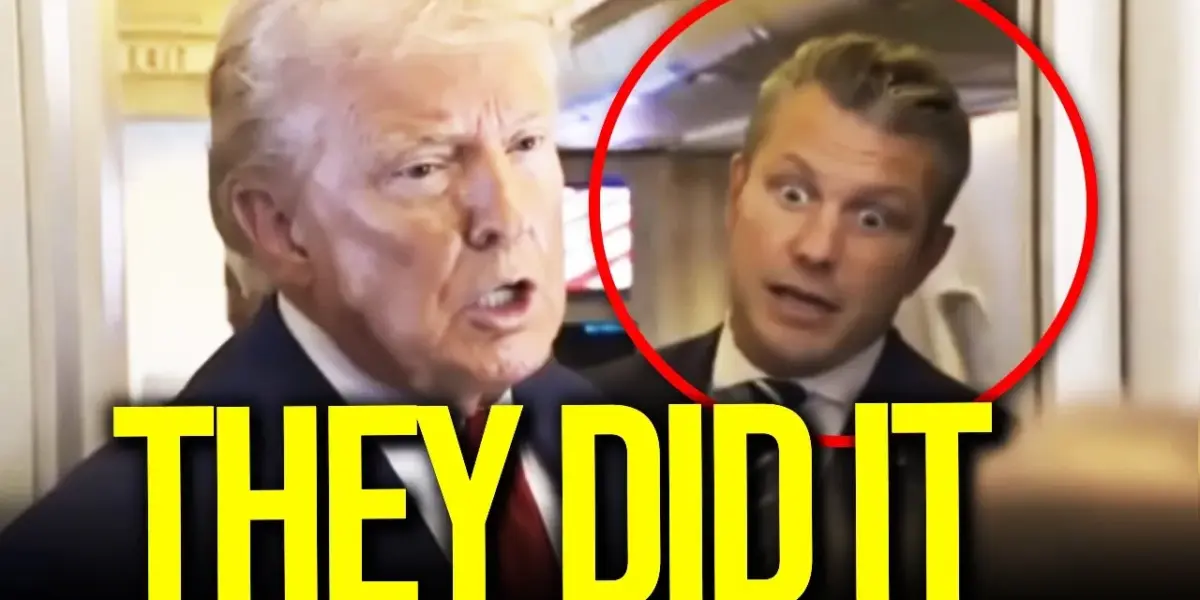
Iran School Bombing Exposes Deep US Deception and Decay
A recent incident involving the bombing of a girls’ school in Iran, which resulted in approximately 180 fatalities including 168 children, has ignited a firestorm of controversy and exposed a disturbing pattern of deception and lack of accountability within the current US administration. Preliminary evidence from the Pentagon, as reported by The New York Times, suggests that a US Tomahawk missile, fired with outdated targeting information, mistakenly struck the school, which was believed to be a training center or military facility. While the most charitable interpretation posits this as a tragic accident, the subsequent actions of the Trump administration have amplified concerns, revealing a willingness to aggressively lie and cover up the truth.
A Pattern of Untruths and Contradictions
The immediate aftermath of the bombing saw Donald Trump asserting that Iran was responsible, despite the clear indication that a Tomahawk missile, a weapon exclusively possessed by a handful of allied nations and fired from submarines, was the likely cause. This contradiction highlights a broader trend of obfuscation and narrative control that permeates the administration’s approach to various issues. As one speaker noted, the administration’s messaging has been riddled with inconsistencies, shifting from describing the conflict as a “war” to an “excursion,” attributing its initiation to different parties, and offering conflicting timelines. This “Schrödinger’s war,” as it was dubbed, reflects a deeper malaise of transparency, extending beyond foreign policy to domestic matters like the handling of investigations into alleged misconduct and even the President’s health.
Erosion of Public Trust and Desensitization to Lies
The repeated instances of alleged deception, from the circumstances surrounding the Reneol Good shooting to the Epstein files and the handling of classified information, have fostered a concerning desensitization among the American public. There’s a palpable worry that years of political rhetoric and alleged cover-ups have numbed citizens to the gravity of outright falsehoods, particularly concerning matters of war and national security. This erosion of trust is compounded by a perceived lack of accountability, where individuals implicated in serious wrongdoing appear to face no consequences. The transcript points to cases like Cash Patel’s testimony regarding the Epstein files and the alleged actions of DOJ staffers seeking pardons, suggesting a system where loyalty to the President can supersede justice.
The Cost of Perpetual Conflict and Unchecked Power
The discussion also delves into the immense financial and human cost of prolonged military engagement in the Middle East. With the national debt ballooning and significant portions of the budget dedicated to servicing that debt, the decision to engage in further conflicts, potentially costing hundreds of billions, is scrutinized. This financial burden is juxtaposed with the perception that a select class of individuals, including those within the administration and their associates, stand to profit from these conflicts, through investments in defense companies or lucrative land deals. This fuels a sense of disillusionment among the populace, many of whom are struggling economically, leading to a withdrawal from civic engagement and a weakening of the democratic fabric.
The Disconnect Between Sacrifice and Governance
A particularly poignant critique emerges regarding the expectation of sacrifice from the citizenry when the governing class appears detached from the realities faced by ordinary Americans. The notion that younger generations, labeled the “earbuds generation,” are unwilling to fight for their country is challenged by the argument that citizens need a “country worth fighting for” – one that offers economic security, dignity, and opportunity. The historical context of World War I and II is invoked, suggesting that past generations were motivated by the promise of a better life at home, a promise that many feel has been eroded. The current administration’s actions, including initiating wars with little public explanation or congressional authorization, are seen as exacerbating this disconnect.
Accountability and the Future of Independent Media
The conversation repeatedly circles back to the crucial need for accountability. The transcript highlights instances where individuals, from former officials to those allegedly involved in illicit activities, seem to operate with impunity, shielded by the prospect of presidential pardons. This creates a dangerous precedent, where wrongdoing is incentivized rather than deterred. In this landscape, the role of independent media is emphasized as a vital counterweight to corporate media consolidation and potential political influence. The ability of smaller, independent outlets to dig into local corruption and hold powerful figures accountable is presented as essential for a healthy democracy. The call to support these independent voices underscores a broader concern about the concentration of media ownership and the potential for a manipulated public narrative.
Global Implications and a Dangerous Trajectory
Beyond the immediate concerns of deception and accountability, the discussion broadens to the global ramifications of the administration’s foreign policy. The escalation of tensions in the Middle East, the complex interplay with Russia and Ukraine, and the potential for widespread conflict are presented as deeply concerning. The analysis suggests that decisions made by a few aging leaders are creating intractable problems for future generations. The potential for a significant shift in global power dynamics, influenced by economic pressures and strategic miscalculations, is a stark warning. The piece concludes with a powerful indictment of the current trajectory, suggesting that the US, under its current leadership, is increasingly perceived as a destabilizing force on the world stage, rather than a beacon of good.
Why This Matters
The bombing of the Iranian school, far from being an isolated tragedy, serves as a stark symbol of a systemic breakdown in transparency, truthfulness, and accountability within the US government. It underscores the profound disconnect between the rhetoric of leadership and the reality on the ground, both domestically and internationally. The willingness to lie, to control narratives, and to evade responsibility has tangible consequences, eroding public trust, fueling disillusionment, and creating a global environment of instability. The future outlook hinges on a renewed commitment to truth, a robust system of checks and balances, and the strengthening of independent media to act as a bulwark against unchecked power and deception. Without these, the promise of a just and democratic society remains perilously out of reach.
Historical Context and Background
The current situation echoes historical patterns of government opacity and the manipulation of information during times of conflict. The Vietnam War, for instance, saw widespread public distrust fueled by the gap between official pronouncements and battlefield realities. Similarly, the lead-up to the Iraq War was marked by significant controversy over intelligence and the justifications for military action. The transcript also references the long-standing Israeli-Palestinian conflict as an example of how past decisions, made decades ago, continue to generate enduring problems. The alleged actions of the Trump administration, including the pardoning of individuals who may have engaged in wrongdoing and the potential for unchecked media consolidation, are viewed within this broader context of a struggle for truth and accountability in governance.
Source: They CAN'T Cover This Up… (YouTube)

Related Articles
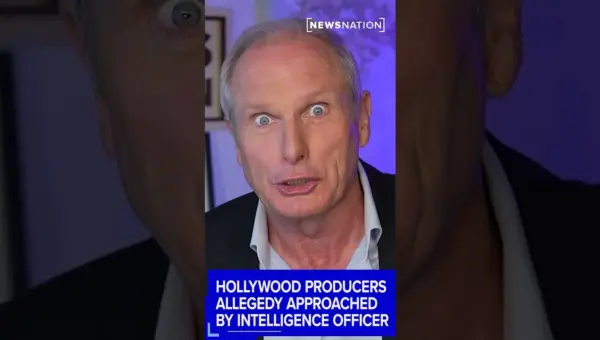
US Spy Agency Seeks Hollywood Influence
A U.S. intelligence officer reportedly offered producers inside information in exchange for specific narrative inclusions in their shows. This alleged quid pro quo, discussed in relation to the TV series 'Dark Skies,' suggests a new strategy for intelligence agencies to influence public perception through popular culture.
Iran Conflict: US Made Costly Mistakes, Expert Warns
War game expert Finley Grimble argues the US made significant strategic errors in its approach to Iran, underestimating its retaliation capabilities and the difficulty of controlling the Strait of Hormuz. He suggests declaring victory and withdrawing is the best path forward, rather than getting bogged down in a costly conflict.
US War Funding Faces Congress, Iran Conflict Looms
The Pentagon's request for $200 billion for operations against Iran faces significant opposition in Congress, driven by election year concerns and the war's economic impact on Americans. Diplomatic efforts are indirect, and public support remains low, raising questions about the conflict's sustainability and strategic direction.