Iran-Russia Pact Fuels Global Instability, Ukraine Warns
Ukraine warns that the deepening military cooperation between Russia and Iran, including alleged technology transfers, poses a growing threat to global stability. Observers critique Western policy for a perceived lack of proactive strategy against this expanding authoritarian axis.

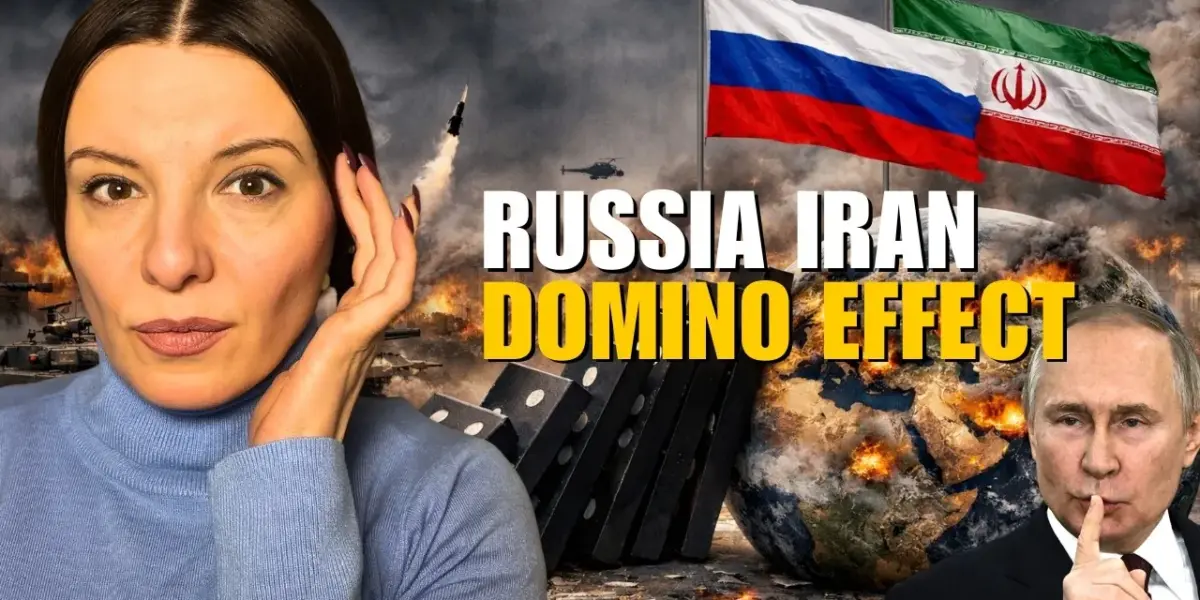
Ukraine Sounds Alarm on Iran-Russia Military Nexus Amidst Shifting Global Alliances
Kyiv, Ukraine – As the conflict in Ukraine grinds on, a stark warning has emerged from the heart of the Eastern European nation: the deepening military cooperation between Russia and Iran poses a significant and escalating threat not only to Ukraine but to global stability, potentially triggering a wider domino effect of conflicts. This assertion comes from Ukrainian observers who highlight a perceived strategic alliance between Moscow and Tehran, coupled with critiques of Western, particularly American, policy, which they argue has been reactive rather than proactive in confronting this emerging geopolitical challenge.
The core of the concern lies in the alleged exchange of advanced drone technology and tactical knowledge between Russia and Iran. Ukrainian sources claim that Iranian drones have been utilized against Ukrainian forces since the outset of the full-scale invasion, and that this collaboration has now evolved to a point where Iran is reportedly threatening Ukraine and its allies, including Gulf nations and the United States, with missile and drone strikes. This alleged threat is framed not as an isolated incident, but as part of a broader pattern of aggression orchestrated by what is described as an axis of authoritarian states—Russia, Iran, and North Korea—united against the West and democratic values.
Strategic Context: The Drone War and Shifting Influence
The reported transfer of drone technology is particularly significant. Drones have become a pivotal element in modern warfare, offering reconnaissance, surveillance, and strike capabilities that can significantly alter battlefield dynamics. For Ukraine, the use of Iranian drones by Russia represents a direct escalation and a drain on its air defense resources. Conversely, Ukraine states it is developing and sharing its own drone technologies with allies, positioning itself as a key player in countering this threat.
The strategic implications extend beyond Ukraine’s borders. The narrative presented suggests that countries like Saudi Arabia and Kuwait, previously considered outside the direct conflict zones, are now seeking Ukrainian expertise in drone warfare. This indicates a growing regional insecurity in the Middle East, driven by the perceived emboldenment of Iran and its allies. Hotels in Kyiv are reportedly booked with representatives from these Gulf nations seeking to acquire Ukrainian drone technologies, signaling a significant shift in regional security dynamics and a potential reorientation of alliances.
Critique of Western Policy and the “Domino Effect”
A central theme of the warning is the perceived failure of Western powers, particularly the United States under the Trump administration, to anticipate and effectively counter this growing threat. Critics argue that policy has been characterized by a lack of foresight and a failure to implement comprehensive plans. The lifting of sanctions on Russia, for instance, is viewed with deep suspicion, with some suggesting it was a politically motivated move to address rising oil prices or other domestic concerns, rather than a strategic decision aimed at de-escalating conflict.
“The task is to remain united and to keep implementing the only working peace plan strategy to defeat and demilitarize Russia… solidarity is something that can save a lot of lives, not only in Ukraine.” – Ukrainian Observer
This approach, according to the Ukrainian perspective, has created a vacuum that authoritarian regimes exploit. The annexation of Crimea and the full-scale invasion of Ukraine are presented not as isolated events, but as precursors to further global instability. The argument is that unpunished aggression by one state, particularly a major power like Russia, emboldens others and creates a fertile ground for escalating conflicts worldwide. This is the so-called “domino effect”—where a failure to decisively address aggression in one region leads to its spread to others.
Geopolitical Ramifications and the Role of Iran
The article highlights Iran’s disruptive potential, suggesting that beyond military threats, Tehran targets critical infrastructure such as irrigation systems in desert regions, a tactic that could render valuable territories uninhabitable and economically unviable. This underscores a broader strategy of destabilization aimed at undermining regional prosperity and security, particularly for nations reliant on tourism and trade, like Dubai.
The alleged collaboration between Russia and Iran is seen as particularly concerning because it involves the sharing of intelligence and weapons modifications. Reports suggest that Russia has provided Iran with modifications for drones that are now being used against American interests and bases in the region. This is framed as a direct challenge to the United States, with alleged casualties among American personnel, leading to accusations that actions such as lifting sanctions on Russia in this context are tantamount to treason.
Historical Parallels and Moral Imperatives
The situation is implicitly compared to historical instances where appeasement or a lack of decisive action against aggressors had severe global consequences. The argument is made that a failure to uphold moral values and established international rules—by ignoring or dismissing them—leads to the current chaotic state where major powers are unsure how to end escalating conflicts. The plea is for a return to principles, emphasizing that even from a purely self-interested perspective, supporting Ukraine and countering the Russia-Iran axis is crucial for Western security.
The Ukrainian Perspective: Resilience and Unity
Despite the grim assessment of the global security landscape, the message from Ukraine is one of resilience and a call for continued unity. The speaker emphasizes that Ukrainians are prepared to defend themselves and are increasingly relying on their own capabilities. There is also a belief that this crisis may ultimately foster greater unity within the European Union, as leaders and populations recognize the tangible dangers posed by authoritarian regimes and the need for collective action.
The article also touches upon the human element of the conflict, celebrating the dedication of Ukrainian volunteers who joined the armed forces. It highlights that hundreds of thousands of ordinary citizens became defenders during the war, demonstrating a profound commitment to their nation’s sovereignty. This emphasis on popular mobilization and volunteerism is presented as a testament to Ukraine’s resolve and a stark contrast to the perceived indecisiveness of some international actors.
Broader Implications
The narrative suggests that the current geopolitical climate, marked by the Russia-Iran nexus and perceived Western policy missteps, has created a volatile environment where conflicts can proliferate. The stability of key economic regions like the Middle East is seen as directly threatened, with potential ripple effects on global energy markets and international trade. The article concludes with a call for viewers to remain united, informed, and supportive of Ukraine, framing the struggle as a defense of democratic values against a rising tide of authoritarianism.
Source: RUSSIA IRAN USA: DOMINO EFFECT Vlog 1348: War in Ukraine (YouTube)

Related Articles

Iran War Escalates, Allies Join Fight for Strait of Hormuz
The conflict in the Middle East intensifies as Iran faces expanded strikes from Israel and retaliatory attacks across the region. The U.S. deploys thousands more troops and offers a 15-point deal, while the Houthis of Yemen join the fray with a missile attack on Israel. Allies are preparing to help secure the vital Strait of Hormuz.

Trump’s ‘Loser’ Comments Reveal Deep Insecurity, Risky Foreign Policy
Donald Trump's controversial "loser" comment reveals a deep insecurity driving his foreign policy, leading to poorly planned actions like the escalating Iran crisis. This pattern of surrounding himself with less capable individuals, rather than challenging experts, poses significant risks for international stability and suggests a dangerous approach to critical global decisions.

Iran Escalates Global Conflict, Threatens World Economy
Yemen's Houthi rebels have officially joined the conflict, launching ballistic missiles at Israel and escalating regional tensions. This move threatens vital shipping lanes like the Red Sea's Bab al-Mandab strait, potentially causing catastrophic economic consequences. Meanwhile, US soldiers have been injured in Iranian missile strikes, adding to the mounting human and financial costs of the escalating war.