Iran Retaliates: “Devastating Blows” Threaten US, Israel
Iran has officially vowed to exact "devastating blows" against the U.S. and Israel following preemptive strikes that reportedly killed Ayatollah Kmeni. The nation has initiated widespread retaliatory actions across the Middle East, targeting U.S. bases and interests in multiple countries. This escalation follows large public demonstrations in Iran demanding vengeance and has ignited debate over U.S. foreign policy and its domestic implications.

Iran Vows Vengeance After US-Israel Strikes, Escalating Middle East Tensions
In a dramatic escalation of regional conflict, Iran has officially acknowledged the death of Ayatollah Kmeni and vowed severe retaliation against the United States and Israel following preemptive strikes. The Islamic Republic has declared its intent to engage in “the most massive and powerful offensive operation in the history of the Islamic Republic” against U.S. bases and Israeli interests in the Middle East, signaling a potentially wider and more intense confrontation than previously anticipated.
Official Threats and Public Demonstrations
The Islamic Revolutionary Guard Corps issued a stark warning, promising a swift and devastating response. Iran’s parliament speaker, Muhammad Bhir Kalbeth, directly addressed the leaders of the U.S. and Israel, labeling them “filthy criminals” who “must pay the price” for their actions. “We will deliver such devastating blows that you yourselves will be driven to beg,” Kalbeth stated, underscoring the gravity of Iran’s resolve.
These pronouncements follow a social media post by former President Donald Trump, who had expressed a hope that preemptive strikes might lead to the Iran Revolutionary Guard joining “others and they will take control of Iran and they will support Donald Trump and Netanyahu.” This sentiment appears to have been met with defiance rather than cooperation from Tehran.
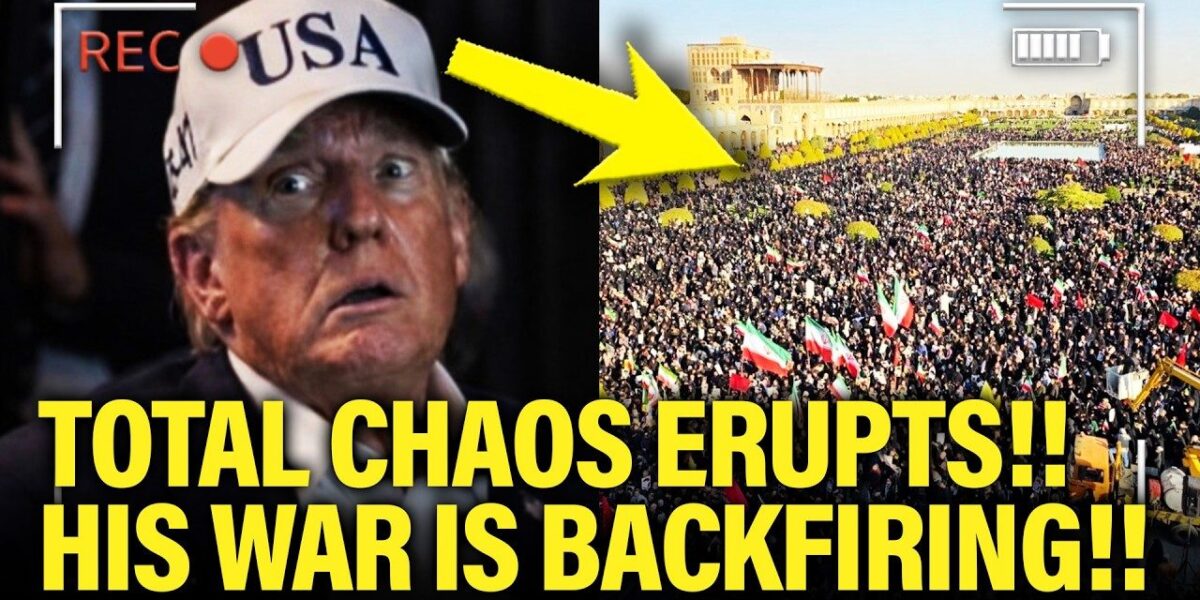
The rhetoric from Iran has been met with significant public displays of support. Large-scale rallies have been observed across Iran, coinciding with 40 days of mourning for Ayatollah Kmeni. In cities like Isfahan and Mashhad, hundreds of thousands have reportedly gathered, chanting “death to America” and demanding retribution for the attacks. State-backed events in Tehran also saw similar crowds protesting the U.S.-Israeli actions, as reported by the Associated Press.
Widespread Retaliation Across the Middle East
Iran’s retaliatory actions have reportedly extended beyond its borders, targeting U.S. presence and interests in neighboring countries. Reports indicate strikes have impacted key locations across the Middle East:
- United Arab Emirates: Dubai International Airport reportedly sustained damage, with smoke seen rising near the airfield. The Palms and the Burj Al Arab Hotel were also mentioned as targets.
- Iraq: The U.S. air base at Erbil International Airport was reportedly hit by Iranian drones and missiles, leading to visible plumes of thick black smoke.
- Qatar: Direct hits with billowing smoke clouds were reported in Doha.
- Bahrain: Hotel complexes and residential areas known to be frequented by American soldiers in Manama have reportedly been struck repeatedly.
- Saudi Arabia: While not detailed in the transcript, Saudi Arabia was listed as a potential target area.
- Kuwait: Kuwait City was mentioned as a location with U.S. presence.
- Jordan: Jordan was also listed as a country with U.S. presence.
- Israel: Massive strikes have reportedly taken place in Tel Aviv.
Furthermore, pro-Iran regime protesters in Baghdad attempted to breach the Green Zone, aiming for the U.S. embassy. In Pakistan, demonstrators reportedly broke through security barricades to enter the U.S. consulate in Karachi.
Succession and Internal Political Dynamics
Amidst the escalating conflict, early reports suggest that Ayatollah Kmeni’s son, Mojtaba, is being positioned as the next Supreme Leader. This potential succession is seen by some as an attempt to frame his father’s death as martyrdom in a holy war against the West. Mojtaba is described as an equally, if not more, extreme figure, known for supporting hardliners and overseeing brutal crackdowns on dissent, potentially quashing any hopes of internal reform or appeasement.
The situation has also highlighted internal political divisions within the United States regarding the conflict. A recent Yggov poll indicated that 50% of Americans disapprove of Donald Trump’s handling of the Iran situation, with only 35% approving. This contrasts with statements from figures like Senator Lindsey Graham, who suggested that any American soldiers lost would have died a “noble death,” a sentiment criticized by some as trivializing the human cost of war.
The narrative surrounding the U.S. actions has also faced scrutiny. While initial justifications reportedly focused on preventing Iran’s uranium enrichment, the current focus appears to have shifted towards regime change. Critics have questioned the administration’s strategy, with some labeling the operation “Operation Epstein Fury” or “the Jeffrey Epstein war,” suggesting ulterior motives related to domestic political cover-ups, including alleged connections to child sex trafficking rings. This perspective posits that the conflict serves as a “wag the dog” moment to distract from domestic issues and scandals.
The perceived shift in strategy has drawn criticism from within the Republican party itself. Figures like Senators Marjorie Taylor Greene and Thomas Massie have voiced opposition, questioning the “America First” principles and the move towards regime change wars, which they argue contradicts campaign promises. However, other Republican figures have defended the administration’s actions, framing them as necessary to prevent appeasement and make the world safer, asserting that Trump “wants peace” by dismantling threats.
Looking Ahead
As tensions reach a critical point, the coming days will be crucial in determining the trajectory of this escalating conflict. The effectiveness of Iran’s retaliatory strikes, the response from the United States and its allies, and the internal political ramifications within both nations will be closely watched. The potential for a broader regional war looms large, with significant implications for global stability and energy markets.
Source: All HELL BREAKS LOOSE as Trump’s WAR in IRAN BACKFIRES!!! (YouTube)

Related Articles
US Launches Massive Iran Offensive; Warns of More Service Member Casualties
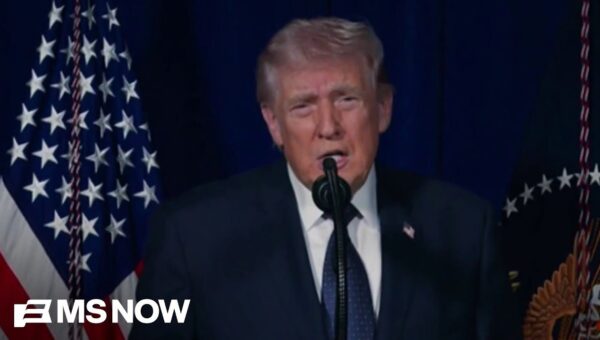
The United States has launched a major military offensive, 'Operation Epic Fury,' against Iran, targeting hundreds of sites and reportedly eliminating Iran's Supreme Leader. Amidst ongoing combat, three U.S. service members have been killed, with officials warning of further casualties.
US Secretly Arm-Twists Iran with Starlink & Military Might
The US is reportedly covertly supplying Iran with thousands of Starlink terminals to aid protesters, while simultaneously deploying a significant military force to the Middle East. This dual strategy unfolds against a backdrop of stalled diplomacy and escalating regional tensions, raising questions about the path forward.

Trump: Iran Strikes Ahead of Schedule, Expects ‘Great Deal for World’
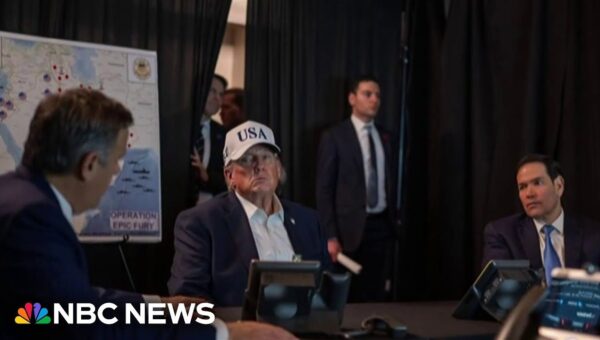
Three U.S. service members have been killed amid escalating conflict with Iran, President Trump confirmed. He stated that strikes are ahead of schedule, with senior Iranian leaders killed, and expressed optimism for a "great deal for the world" despite ongoing talks with Iranian officials.