Iran Rescue Mission: Cover for Secret Nuke Grab?
A recent U.S. military operation in Iran to rescue a downed pilot has sparked debate, with some claiming it was a cover for a failed mission to seize enriched uranium. Analysis suggests the official rescue story is more likely, highlighting the complexities of military operations and the spread of misinformation.

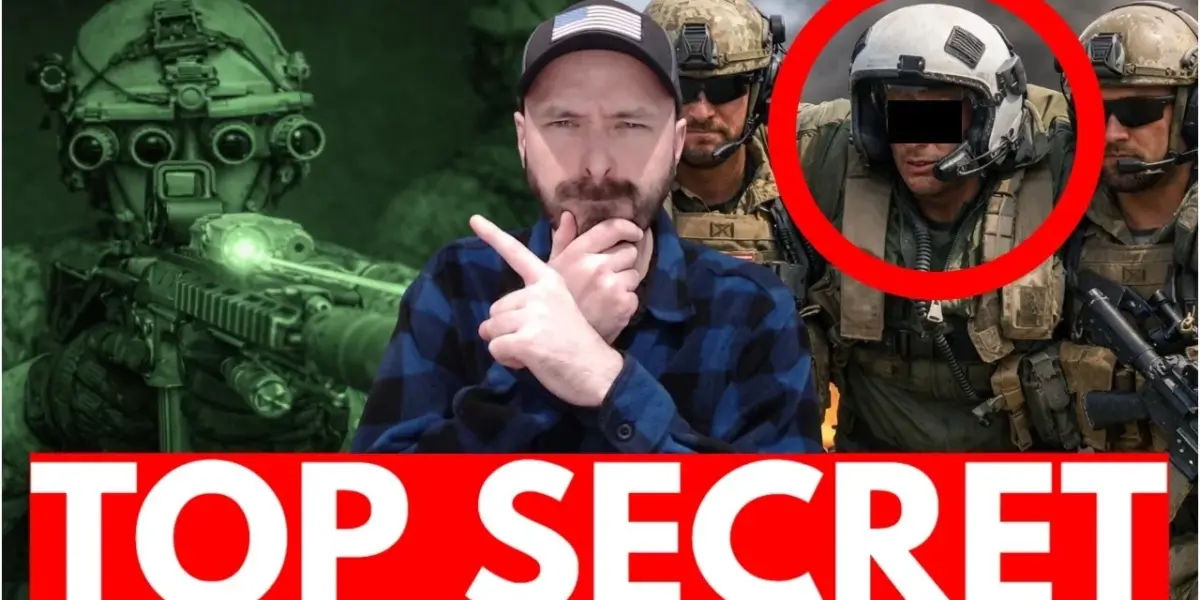
Iran Rescue Mission: Cover for Secret Nuke Grab?
A daring military operation to rescue a downed U.S. weapons officer in Iran has sparked intense debate. While the official story tells of a heroic rescue, a new theory suggests it was a cover for a secret mission to seize Iran’s enriched uranium. This idea has gained traction online, with many questioning the true purpose of the mission.
The Official Account: A Daring Rescue
The mission, which took place late on a Saturday, involved a large U.S. special operations force. SEAL Team Six, Air Force PJs (pararescuemen), Air Force CCTs (Combat Controllers), and the 160th Special Operations Aviation Regiment (SOAR) were all part of the effort. They reportedly built a temporary airfield about 40 kilometers from Isfahan, the city believed to hold Iran’s enriched uranium.
The operation was described as risky and violent. The goal was to extract a downed F-15 weapons officer. During the extraction, U.S. forces had to destroy some aircraft, including two C-130 transport planes and a helicopter. This was reportedly because the ground at the makeshift airfield was soft and wet, causing the aircraft wheels to sink. Footage from the event shows explosions and what appears to be a missile impact.
The Conspiracy Theory: A Failed Nuke Mission
Almost immediately after the mission, social media platforms buzzed with alternative explanations. Many pointed to a supposed mismatch between the reported location of the downed pilot and the area of the operation. Reports from figures like Arash Rosineshot suggested the pilot was located much further southwest, far from Isfahan.
This led to the theory that the operation was actually an attempt to capture Iran’s stockpile of highly enriched uranium. Proponents of this idea, including some Iranian officials and commentators like Muhammad Morandi and Candace Owens, claim the pilot rescue was a fabricated story. They argue that the heavy bombing and destruction of C-130s near Isfahan were part of a failed attempt to secure the uranium. Some even suggest the recent dismissal of U.S. generals might be linked to internal disagreements over such high-risk operations.
Analyzing the Claims: What Really Happened?
According to analysis from sources familiar with the operation, the official rescue story holds more weight. The large number of personnel, including SEAL Team Six and Delta Force, was necessary due to the dangerous nature of operating in contested territory. Every Iranian in the vicinity with a weapon was reportedly shooting at U.S. helicopters, requiring overwhelming force to ensure success and safe extraction.
The presence of C-130s is explained by the need to transport essential equipment, like MH-6 Little Bird helicopters, which can be carried within C-130s. The temporary airfield was likely built to serve as a refueling point for helicopters with limited range. This allowed the forces to extract the pilot, refuel, and fly out safely, using air power to clear a path.
The destruction of the C-130s is attributed to the issues with the makeshift runway, not as a result of a failed mission to seize uranium. While the airfield’s construction near Isfahan might have been considered for future operations, including potential actions concerning the nuclear program, there is no evidence that this specific mission was aimed at the uranium stockpile.
Why This Matters
This event highlights the complex geopolitical landscape surrounding Iran’s nuclear program and the constant tension between the U.S. and Iran. The emergence of conspiracy theories, even if unfounded, shows how easily misinformation can spread in the digital age, especially concerning high-stakes military actions.
It also underscores the challenges of conducting covert operations. The need for secrecy often clashes with the public’s right to know, creating a vacuum that speculation and rumors can fill. The Pentagon and military officials face the difficult task of balancing operational security with transparency.
Historical Context and Future Outlook
Iran’s nuclear program has been a major international concern for decades. Various diplomatic efforts and sanctions have been employed to curb its development. Military options have also been considered, though often seen as a last resort due to the potential for wider conflict.
The ability of the U.S. military to conduct complex, long-range operations, including building temporary airfields in hostile territory, is a significant capability. This rescue mission, regardless of its primary objective, demonstrated this capacity. Looking ahead, the possibility of future actions, whether diplomatic or military, regarding Iran’s nuclear activities remains a critical issue.
However, the narrative surrounding this particular operation suggests that the focus remains on the successful rescue of U.S. personnel. The theory of a failed uranium grab, while intriguing, lacks concrete evidence. It serves as a reminder to critically evaluate information, especially when presented with dramatic claims about secret missions.
Conclusion
The official account of a successful, albeit challenging, rescue mission appears to be the most accurate. The evidence points to a well-executed operation to save a U.S. pilot under dangerous conditions. While the creation of a temporary airfield near a sensitive Iranian site raises questions, it does not confirm a failed attempt to seize enriched uranium.
The proliferation of conspiracy theories online is a cautionary tale. It emphasizes the importance of relying on verified information from credible sources rather than succumbing to sensationalized narratives. The true story, while perhaps less dramatic than a secret nuke heist, is still a testament to the capabilities and risks undertaken by U.S. special forces.
Source: Iran Rescue Op Cover For SECRET Nuke Mission? New Theory Emerges (YouTube)

Related Articles


Trump’s Iran Stance: Military Might Meets Economic Reality
President Trump is demanding the reopening of the Strait of Hormuz as indirect talks with Iran continue without a deal. Meanwhile, the U.S. economy shows surprising strength with robust job growth and stable markets, while oil prices are expected to decline.

US Rescues Pilots in Daring Iran Mission, Trump Warns Tehran
President Trump detailed a daring U.S. military rescue mission that successfully recovered two pilots downed in Iran. The operation, described as 'historic,' involved complex tactics and significant risks. Trump also issued a stern warning to Iran, signaling continued U.S. military pressure.


Trump Threatens Iran With ‘Complete Demolition’ By Deadline
President Donald Trump has issued a severe ultimatum to Iran, threatening "complete demolition" of its infrastructure by midnight. The warning follows the successful rescue of two U.S. pilots and comes amid ongoing diplomatic tensions and Iran's rejection of a ceasefire proposal.