Iran Rejects US Peace Plan Amid Escalating Tensions
Iran has rejected a 15-point peace plan proposed by the U.S., escalating tensions as American troops deploy to the region. Experts warn of potential conflict and severe humanitarian consequences if maximalist demands from both sides prevent a diplomatic resolution.

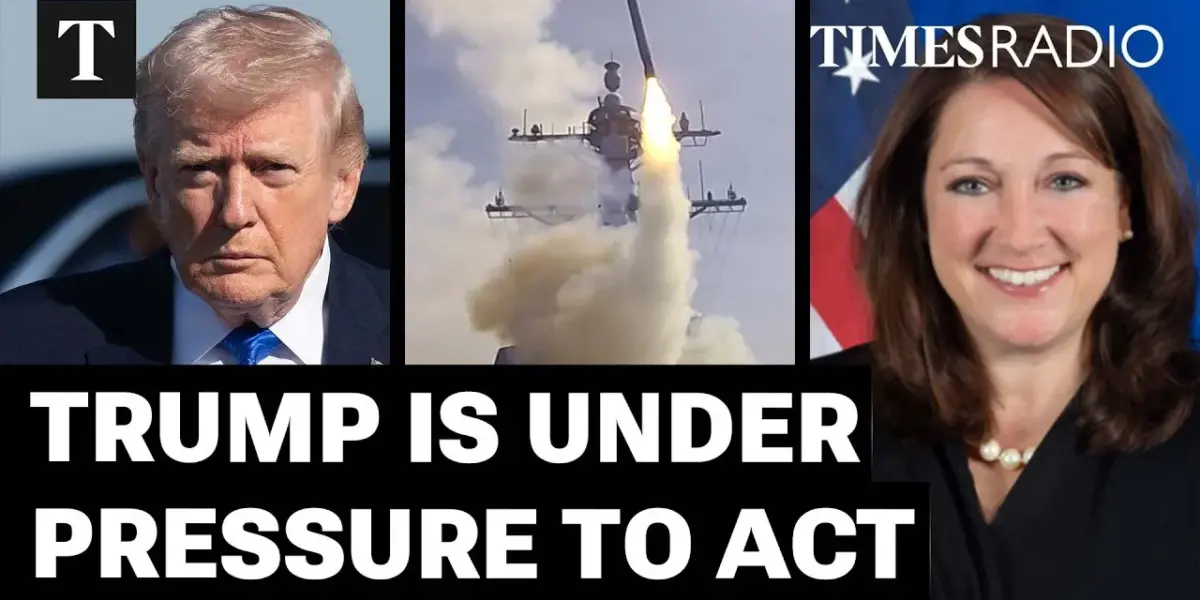
Iran Rejects US Peace Plan Amid Escalating Tensions
Iran has officially rejected the United States’ terms for peace, signaling a potential for further conflict as both sides dig in with maximalist demands. The rejection comes as thousands of U.S. Marines and paratroopers are reportedly en route to the region, raising concerns about an impending escalation.
Trump’s ’15-Point Plan’ Met with Scorn
Former President Donald Trump had proposed a 15-point plan aimed at halting the bombing and lifting some sanctions against Iran. However, Iran has publicly dismissed the proposal, with state media suggesting Trump has been negotiating with himself. Tehran asserts that the terms offered are unacceptable and will not lead to any resolution.
US Forces Deploy as Diplomatic Options Dim
The deployment of U.S. military personnel signals a hardening stance from Washington. Reports indicate that American forces are moving into position, with discussions of potential operations to seize strategic locations like Kharg Island, a vital oil export hub. This move, supported by figures like Congressman Lindsey Graham, aims to cripple Iran’s oil revenue.
“Keep it up for a few more weeks. Take Kharg Island where all of the resources they have to produce oil. Control that island. Let this regime die on a vine.” – Congressman Lindsey Graham
Expert Analysis: A Risky Path Forward
Benoît Fosan, Middle East correspondent for The Wall Street Journal, expressed caution regarding the potential seizure of Kharg Island. He noted that while it would significantly disrupt Iran’s oil exports, it would not entirely halt them due to alternative routes. Fosan also highlighted the significant risks involved in occupying the island, citing its proximity to Iranian territory and Iran’s demonstrated ability to strike distant targets.
“The question really is not so much, let’s imagine you interrupt Iran’s exports, it’s more if all exports are exported are limited, sorry, or even disrupted for an expanded period of time throughout the what is effectively historically the biggest oil exporting region in the world. What happens? So you may kind of limit, you may hurt Iran, but the other side would be hurt as well.”
Maximalist Demands Hinder Progress
Jennifer Gavito, former deputy assistant secretary for Iran and public diplomacy under President Obama, believes both sides are currently making maximalist demands that make progress difficult. Iran seeks an end to enrichment, cessation of proxy funding, and missile program restrictions, while demanding significant sanctions relief. The U.S. demands, meanwhile, are seen by Iran as terms of surrender, especially concerning control over the Strait of Hormuz.
“The terms that were laid out in the 15-point plan seemingly were designed and presented in a way in which the adversary was defeated. And Iran certainly does not feel itself to be defeated at this point.”
Humanitarian Concerns Loom Over Military Action
The threat of large-scale attacks on Iran’s energy infrastructure, previously stepped back from by President Trump, remains a grave concern. Gavito warned of catastrophic humanitarian consequences, including widespread power outages, disruption of telecommunications, and the inability of essential services like hospitals to function. She also noted Iran’s threat of reciprocal action, potentially targeting desalination plants in the Gulf, which are crucial for many Arab nations.
Uncertainty and Potential for Extended Conflict
With diplomatic channels appearing strained and military options on the table, the situation remains volatile. The deployment of U.S. forces suggests a potential for deterrence, occupation of key sites like Kharg Island, or even more drastic actions related to Iran’s nuclear program. Experts suggest that without an ‘off-ramp,’ the conflict could see a prolonged escalation, with significant implications for regional stability and the global economy.
“Unless you find an off-ramp in which the president is able to declare some degree of military or operational victory, of which there have been some, you’re looking, I think, at an extended escalation of this conflict as U.S. troops move into position.”
Source: Trump’s Iran Plan Rejected As Both Sides Dig In Over ‘Maximalist’ Demands | Jennifer Gavito (YouTube)

Related Articles


G7 Allies Clash Over Iran War Strategy, Urge Focus on Russia
G7 foreign ministers met in Paris, revealing deep divisions over the U.S. war with Iran. European allies urged the U.S. to pressure Russia, linking its actions to the conflict and fearing support for Ukraine will wane.
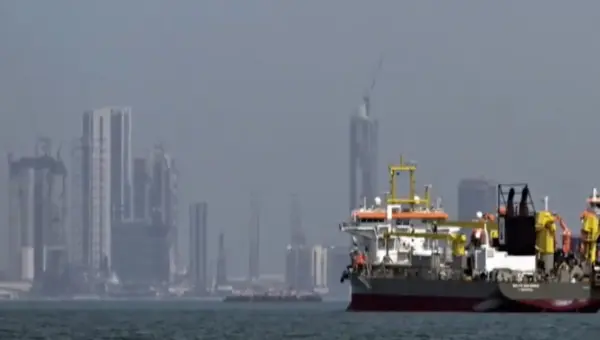
Iran Blocks China Ships, Exposing Beijing’s Weak Grip
Iran's recent decision to block Chinese ships at the Strait of Hormuz is exposing the limits of Beijing's influence in the Middle East. This action is causing delays and cancellations for Chinese manufacturers, turning a perceived geopolitical win into an economic strain.
Rubio: US Can Achieve Iran War Goals Without Troops
Senator Marco Rubio outlined a strategy to counter Iran without deploying U.S. ground troops, focusing on weakening the regime and enhancing maritime security. He also criticized Cuba's economic system and expressed concerns about West Bank violence.