Iran Rejects Trump’s Threats, Demands Unconditional Surrender
Iran has publicly rejected Donald Trump's ultimatums, demanding his surrender and dismissing his threats. The escalating tensions have led to retaliatory strikes and raise concerns about regional stability and global economic impacts. The situation remains volatile, with potential for further conflict.

Iran Rejects Trump’s Threats, Demands Unconditional Surrender
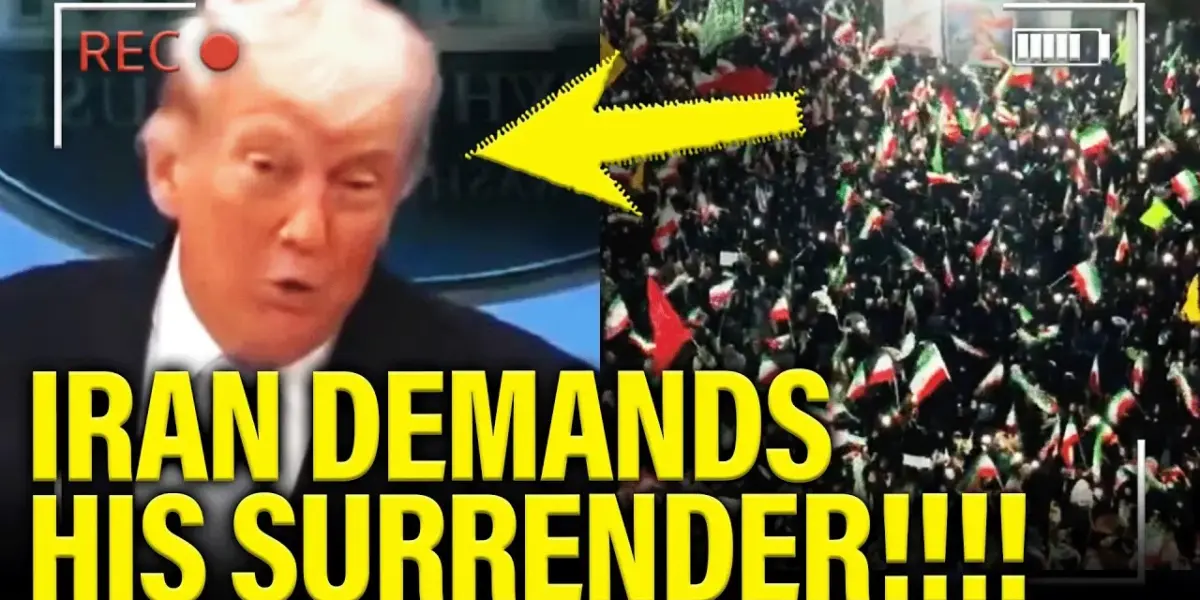
Tensions are running high between the United States and Iran, with Iranian leaders publicly dismissing and even mocking threats made by Donald Trump. The situation escalated when Trump issued an ultimatum, reportedly threatening military action if Iran did not agree to negotiations. However, Iran’s response has been defiant, with officials stating they have no intention of negotiating under duress and are prepared for further conflict.
Iran’s Defiant Stance
A key adviser to Iran’s parliament leader, identified as MB Galibav, issued a strong statement directly challenging Trump’s deadline. The adviser reportedly stated that Trump had only 20 hours to either surrender to Iran or face severe consequences for his allies, warning they would be sent “back to the stone age.” This bold declaration signals Iran’s rejection of Trump’s aggressive stance and its refusal to be intimidated into negotiations.
Another Iranian official, Mi Muhammadi, a strategic adviser to the speaker of Iran’s parliament, echoed this sentiment. Muhammadi declared that Iran had already “won this war” and would only accept terms that solidified its position and established a new security order in the region. This suggests a belief within Iran that they have gained the upper hand and are dictating the terms of any future resolution.
Trump’s Shifting Position and Pentagon Response
In response to Iran’s unwavering stance and the potential for escalation, reports suggest a shift in the Trump administration’s approach. The Pentagon reportedly canceled a press briefing that was scheduled with top defense officials, hinting at a fluid and rapidly changing situation. Following this, news emerged that Donald Trump might delay planned strikes against civilian infrastructure in Iran and extend the negotiation deadline, but only if a deal appears to be in the works.
However, a defense official expressed skepticism about any extension, indicating that the administration’s willingness to back down might be limited. This uncertainty highlights the unpredictable nature of the conflict and the potential for miscalculation on either side. The administration’s communication strategy, including leaking potential policy shifts to news outlets like Axios, has been questioned, with some suggesting it’s an attempt to manipulate markets or public opinion.
Historical Context and Regional Impact
The current standoff is rooted in a long history of tension between the United States and Iran. Decades of geopolitical friction, including sanctions and proxy conflicts, have created a deeply mistrustful relationship. Trump’s “maximum pressure” campaign aimed to isolate Iran economically and force it to renegotiate a nuclear deal, but this approach has also been met with significant resistance.
Iran’s response has included retaliatory strikes against neighboring Arab nations that host American bases or support U.S. actions. Reports indicate strikes targeting facilities in Saudi Arabia, Bahrain, the UAE, and Kuwait, with some of these attacks reportedly injuring American service members. These actions demonstrate Iran’s willingness to expand the conflict and target key infrastructure in countries aligned with the U.S.
The Economic Fallout
The escalating conflict has significant implications for the global economy. Attacks on petrochemical facilities and oil fields in both Iran and Saudi Arabia have raised concerns about global inflation and the stability of oil markets. The interconnectedness of these energy hubs means that disruptions in one region can have far-reaching consequences, impacting global supply chains and energy prices for years to come.
Domestic and International Reactions
Within Iran, the perceived external threat has seemingly fostered a sense of national unity, even among those critical of the current government. Reports suggest that widespread protests against U.S. and Israeli actions have occurred, with citizens expressing solidarity and defiance. This unifying effect, even if temporary, could bolster the regime’s domestic standing.
Internationally, the situation has drawn varied reactions. While some allies have supported U.S. pressure on Iran, others, like the United Kingdom, have reportedly refused to allow the use of their air bases for potential strikes on Iranian civilian infrastructure, citing concerns about war crimes. This indicates a divergence in international approaches and a reluctance by some nations to be complicit in actions that could violate international law.
Why This Matters
This confrontation is more than just a geopolitical dispute; it’s a critical moment that could reshape regional stability and global economic dynamics. The rhetoric from both sides, particularly Iran’s direct rejection of Trump’s ultimatums and its preparedness for prolonged conflict, suggests a potential for escalation. The administration’s willingness to target civilian infrastructure, deemed war crimes by some, raises serious ethical and legal questions.
Furthermore, the way this conflict is handled could set precedents for future international relations and the use of military force. Iran’s ability to rally domestic support and its willingness to retaliate against regional allies highlight the complex web of alliances and rivalries in the Middle East. The economic consequences, particularly on global energy markets, underscore the interconnectedness of the world and the far-reaching impact of regional conflicts.
Future Outlook
The immediate future remains tense, with the possibility of further escalation or a de-escalation depending on the decisions made by leaders on both sides. Iran’s stated non-negotiables, including security guarantees for itself and its regional allies, as well as reparations, present a significant challenge for the U.S. The administration’s stance on these demands, coupled with the ongoing military preparations, will determine the path forward. The situation requires careful diplomacy and a clear understanding of each side’s red lines to avoid a wider, more devastating conflict.
Source: Trump PANICS as IRAN DEMANDS HIS SURRENDER!! (YouTube)

Related Articles
Iran’s Strait of Hormuz Trap: How the US Fights Back
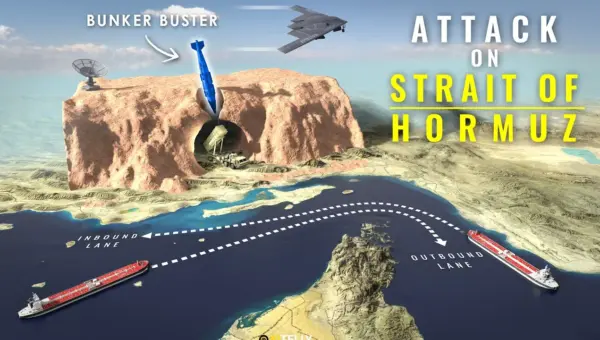
Iran's strategy to control the Strait of Hormuz involves using islands as bases for anti-ship missiles and launching swarm attacks with small boats. The US counters with advanced defense systems, surveillance drones, and powerful bunker-buster bombs, highlighting the ongoing tension in this vital global shipping lane.
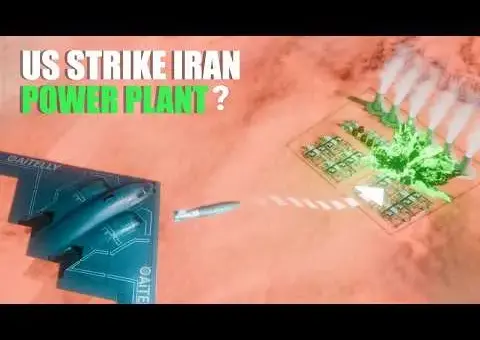
US Aims to Cripple Iran’s Power Grid to Secure Strait of Hormuz
A new US strategy reportedly targets Iran's power grid, including major plants like Damavand, to force open the Strait of Hormuz. The plan involves multi-stage air attacks using advanced bombers and precision munitions to cripple energy infrastructure and cause cascading failures.
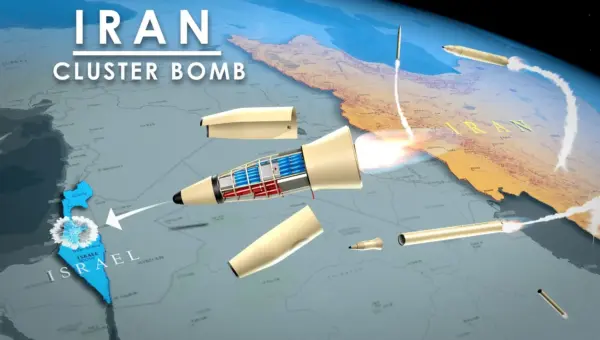
Iran’s Cluster Bombs: A Calculated Gamble to Overwhelm Defenses
Iran's use of cluster bombs against Israel was a deliberate tactic to overwhelm advanced missile defenses. These weapons scatter numerous smaller explosives, making interception difficult. While tactically advantageous, they raise serious humanitarian concerns due to their indiscriminate nature and unexploded ordnance.