Iran Rejects Trump’s Peace Talks, Demands US Surrender
Iran has firmly rejected Donald Trump's proposals for ending the conflict, viewing them as demands for surrender. The nation has outlined strict terms for any potential negotiations, including the closure of U.S. bases and an end to sanctions. This diplomatic impasse, coupled with escalating military actions and rhetoric, raises concerns for regional stability and global energy markets.

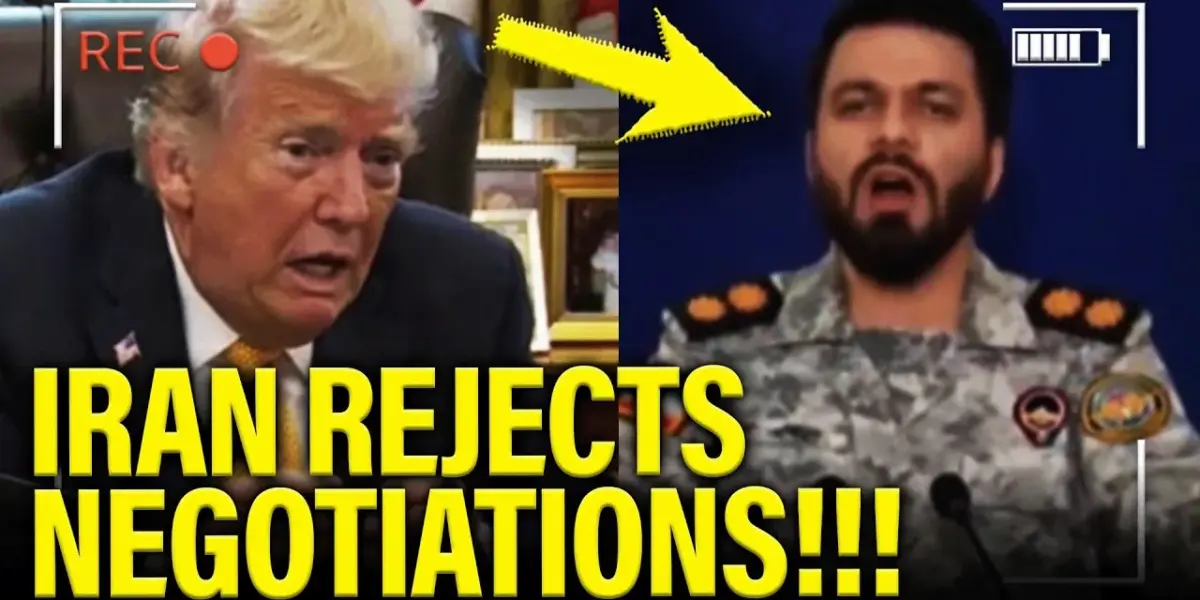
Iran Rejects Trump’s Peace Talks, Demands US Surrender
Diplomatic efforts to end the conflict involving Iran have hit a major roadblock. Iran has reportedly rejected proposals from Donald Trump, viewing them as demands for surrender. This rejection comes after Trump’s administration attempted to reach out through intermediaries in countries like Egypt and Pakistan.
Iran’s Stance on Negotiations
Iran has clearly stated it will not engage in negotiations with specific individuals, referring to them as “backstabbing negotiators.” They have also made it clear that anything less than a full U.S. surrender would be unacceptable. For any future talks to occur, Iran has outlined a series of strict terms that the United States would need to accept.
Iran’s Demands
Iran’s proposed terms include several significant demands:
- The closure of all U.S. military bases in the Persian Gulf region.
- A new framework for the Strait of Hormuz, allowing Iran to collect fees from ships, similar to Egypt’s management of the Suez Canal.
- An end to all sanctions imposed on Iran.
- A halt to Israeli operations against Hezbollah in Lebanon.
- No discussions regarding Iran’s ballistic missile program.
- Guarantees that the U.S. and Israel will not restart hostilities or conduct further strikes.
Iranian Revolutionary Guard’s Message
A spokesperson for the Iranian Revolutionary Guard issued a strong statement, suggesting that the U.S. is negotiating with itself. The message warned against calling a defeat an agreement and stated that Iran is uninterested in further communication unless its terms are met. They also indicated that investments in the region and the former prices of energy and oil would not be seen again.
U.S. Proposal and Iran’s Counter
The U.S. had proposed a 30-day ceasefire and a 15-point plan. Iran viewed this proposal as a tactic for the U.S. and Israel to rebuild their military capabilities and attack Iran during the ceasefire. The U.S. plan demanded that Iran dismantle its nuclear capabilities, cease uranium enrichment, hand over enriched uranium to the IAEA, and dismantle specific nuclear facilities. It also required Iran to abandon its regional proxies and limit its missile program. In return, the U.S. offered to lift sanctions and assist Iran’s civilian nuclear program, removing a “snapback” mechanism for sanctions.
Iran dismissed these terms as “nonsense,” believing they were a ploy by Trump and Netanyahu to buy time. Iran insists on its own terms being met first.
Global Energy Concerns
The situation has broader implications, especially for global energy markets. Countries like Taiwan, which rely heavily on liquefied natural gas (LNG) for power, face potential energy crises. Taiwan’s LNG stockpile is reportedly only enough for about 11 days, raising concerns about possible power rationing and disruptions to its industrial sector. This highlights the fragility of global supply chains in times of geopolitical tension.
Escalating Military Postures
Both sides appear to be escalating their military presence. U.S. troops, including elite paratrooper units, have been deployed to the Middle East. Additionally, a Marine Expeditionary Unit is en route to the region, with reports suggesting a potential ground invasion of Carg Island, a key oil reserve area in Iran. In response, Iran-backed militias have reportedly carried out successful drone strikes on U.S. targets in Iraq, demonstrating their capability to strike military assets.
Mockery and Retaliation
The rhetoric between the U.S. and Iran has become increasingly contentious. Iran has reportedly mocked Trump’s statements about receiving a “gift” from Iran, with their state media releasing images of ballistic missiles and propaganda videos. Iran’s response to potential U.S. military action includes a message for American soldiers to “come closer,” suggesting readiness for confrontation. Meanwhile, reports from Israeli media suggest openness to assassinating senior Iranian political figures, though not yet acting on it.
Historical Context and Market Impact
The current tensions echo past conflicts and diplomatic failures. Iran views past negotiations as leading to invasion and distrusts proposals that could buy time for military action. The uncertainty surrounding the conflict has also impacted oil prices, with reports of significant fluctuations influenced by public statements about potential peace deals or ceasefires. This suggests a degree of market manipulation tied to diplomatic announcements, which Iran claims is a tactic to gain advantage.
Why This Matters
This situation is critical because it involves major global powers and could lead to wider conflict. The demands from Iran suggest a desire for significant geopolitical shifts in the region. The U.S. response, including military deployments, indicates a readiness to counter Iran’s influence. The failure to reach a diplomatic solution and the escalating tensions pose risks to regional stability, global energy security, and international relations. The distrust between the parties, coupled with strong rhetoric and military posturing, creates a volatile environment where miscalculation could have severe consequences.
Future Outlook
The future remains uncertain. Iran’s firm stance on its terms and the U.S. response, including military deployments, point towards continued confrontation rather than immediate de-escalation. The potential for miscalculation is high, and the impact on global markets and regional stability will depend on how both sides choose to proceed. Without a breakthrough in communication and a willingness to compromise, the situation could worsen, leading to direct military conflict or prolonged instability.
Source: Trump PANICS as Iran Says NO NEGOTIATIONS!!! (YouTube)

Related Articles

Houthis Fire Missile at Israel, Iran’s Guard Takes Center Stage
Yemen's Houthi group has fired a missile at Israel, signaling a potential escalation of the regional conflict. Meanwhile, Iran's powerful Islamic Revolutionary Guard Corps (IRGC) appears to be consolidating its control over the country's leadership following reported strikes. This shift places hardline figures at the forefront of decision-making.

Stocks Ignore War Risks, Focus on “Taco Moments”
Stock markets appear to be overlooking the severe supply chain risks stemming from the Iran conflict, focusing instead on potential diplomatic de-escalations. While the S&P 500 shows resilience, bond and commodity markets signal deep concern over disruptions to critical resources like LNG, helium, and fertilizers.

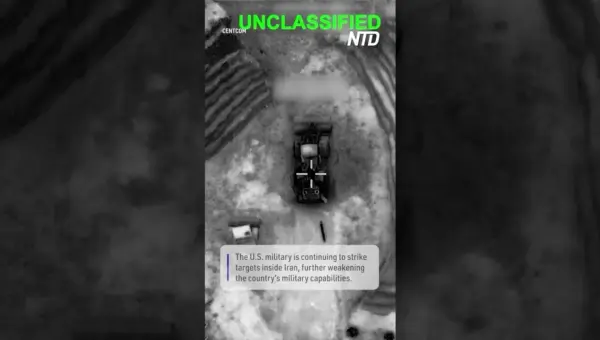
US Strikes Cripple Iran’s Military Might, CENTCOM Reports
U.S. Central Command reports ongoing strikes inside Iran are significantly weakening its military power. This direct action aims to reshape regional security dynamics, but carries risks of escalation. The long-term impact depends on Iran's response and ability to adapt.