Iran Rejects Trump’s Ceasefire; World Braces for Conflict
Iran has rejected Donald Trump's ceasefire proposal, demanding reparations and security guarantees. As U.S. troops head to the Middle East, questions arise about the information reaching Trump and the potential for wider conflict. Regional reactions and historical context highlight the volatile nature of the current geopolitical climate.

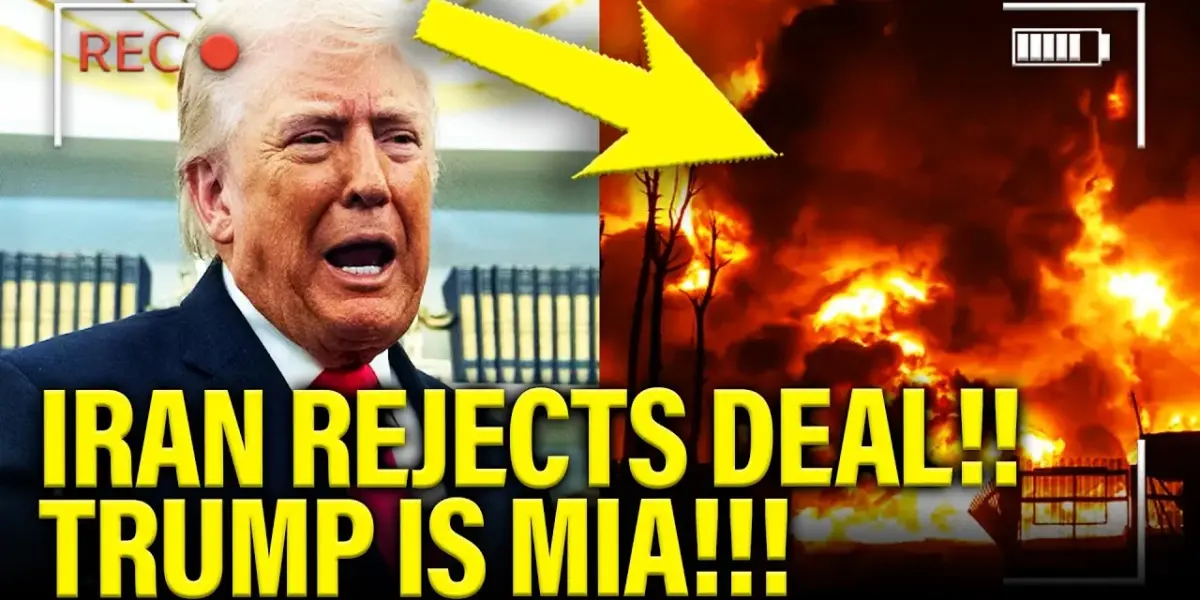
Iran Rejects Trump’s Ceasefire; World Braces for Conflict
The situation in the Middle East has become incredibly tense, with Iran openly rejecting a ceasefire proposal from Donald Trump. Iran’s stance is clear: they view the offer as a trick and have no interest in talking unless the United States agrees to pay for the war’s damages and provides strong guarantees against future attacks. They are also demanding the removal of all U.S. and Israeli military bases from the region.
In response to Iran’s rejection, Donald Trump’s schedule for the day was reportedly cleared of public events, with only private meetings and executive time listed. This comes as thousands of U.S. troops are being sent to the Middle East, with arrival expected within 24 to 48 hours, raising concerns about a potential ground invasion.
Iran’s Demands and U.S. Strategy
Iran’s official state media has been very direct. They stated that entering into peace talks with a party that has broken its promises is not logical. Iran insists that its defensive actions will continue until its conditions are met. The primary condition is a halt to attacks and assassinations. Iran has also made it clear that it will not let Trump dictate when the war ends.
Adding to the complexity, reports suggest that Donald Trump’s understanding of the war might be limited. An NBC report indicated that he receives daily briefings consisting of only two-minute highlight reels of U.S. and Israeli military successes. This practice raises serious questions about whether he is getting a complete picture of the conflict, including any setbacks.
Regional Reactions and Escalating Tensions
The head of Iran’s parliament, MB Galab, issued a strong warning, stating that Iran is closely watching U.S. movements and will defend its land. This statement comes after Trump’s administration had reportedly considered Galab a potential proxy leader for Iran.
Meanwhile, Turkey has been urging Gulf Arab states like Saudi Arabia and Qatar to show restraint and avoid joining a war against Iran. Iran’s president, Masud Peskian, praised Turkey’s stance, calling it commendable and expressing solidarity with the Islamic world.
The conflict is not confined to rhetoric. An Iranian missile reportedly hit near an industrial area in Israel, possibly targeting facilities related to Israel’s nuclear program. In Iraq, tensions have also flared. U.S. airstrikes hit an Iraqi army base, killing soldiers and wounding others. Baghdad called these strikes a serious violation of its sovereignty. In response, Iraqi Shiite militias, with Baghdad’s authorization, reportedly used drones to attack a U.S. base, destroying military equipment.
Broader Geopolitical Moves
Beyond the immediate Middle East crisis, the U.S. appears to be involved in military actions in other regions. Reports suggest that U.S.-backed strikes in Ecuador, part of an operation called “Total Extermination,” may be the beginning of wider military campaigns in Latin America. Residents in Ecuador claim that a U.S. strike, which the U.S. stated hit a drug camp, actually destroyed a dairy farm.
In Hungary, Donald Trump has shown support for President Viktor Orban, who is often described as a Putin ally. This comes as Republicans have faced recent electoral losses in Florida, even in areas Trump previously won.
Official Statements and Public Perception
When questioned about troop deployments to the Middle East, officials have tried to distinguish between troop buildup and being “boots on the ground.” They suggest that the deployments are a signal to Iran to resolve the situation quickly and that “Operation Epic Fury” is nearing completion. However, some Republican lawmakers have expressed a willingness to support military action if Trump deems it necessary, emphasizing the need for stability and trade through crucial waterways like the Strait of Hormuz.
The situation remains highly volatile, with Iran setting strict conditions for any end to hostilities and the U.S. increasing its military presence in the region. The limited information reportedly reaching Trump adds another layer of uncertainty to an already dangerous geopolitical moment.
Why This Matters
The escalating tensions between Iran and the U.S., coupled with Iran’s rejection of a ceasefire and its stringent demands, highlight the deep-seated issues at play. Iran’s insistence on reparations and security guarantees signals a desire for a fundamental shift in its relationship with the U.S. and Israel, moving beyond a mere cessation of hostilities to a resolution of perceived past grievances and future threats.
The reported method of briefing Donald Trump on the conflict—through curated highlight reels—is particularly concerning. This selective information flow could lead to misjudgments and an incomplete understanding of the battlefield realities, potentially increasing the risk of unintended escalation. A commander-in-chief needs comprehensive intelligence to make sound decisions, especially in matters of war.
Furthermore, the involvement of regional players like Turkey and the reactions from countries like Iraq demonstrate the complex web of alliances and rivalries in the Middle East. Turkey’s diplomatic efforts to de-escalate and Iraq’s response to U.S. strikes show that any major conflict in the region will have far-reaching consequences and involve multiple actors with differing interests.
Implications, Trends, and Future Outlook
The current events suggest a trend towards increased military posturing and potential direct confrontation. Iran’s control over the Strait of Hormuz, a critical global shipping lane for oil and gas, remains a significant factor. The disruption to global supply chains, already strained by geopolitical events, could worsen, affecting energy prices and availability worldwide.
The U.S. military’s actions in various global hotspots, including potential wider campaigns in Latin America, indicate a broad assertive foreign policy. The “Operation Total Extermination” in Ecuador, even if disputed in its execution, signals a willingness to engage in forceful operations with potentially severe implications.
Looking ahead, the refusal to engage in meaningful negotiation by Iran and the potential for a U.S. ground invasion create a dangerous path. The lack of clear communication and the possibility of decisions being made on incomplete information amplify the risks. The international community watches closely, hoping for de-escalation, but the current trajectory points towards continued conflict and instability.
Historical Context and Background
The current standoff is rooted in decades of complex U.S.-Iran relations, marked by the 1953 coup, the 1979 revolution, the Iran hostage crisis, and subsequent periods of tension, sanctions, and proxy conflicts. The U.S. withdrawal from the Joint Comprehensive Plan of Action (JCPOA) in 2018 and the reimposition of sanctions by the Trump administration significantly worsened relations, pushing Iran further towards a more defiant stance.
Iran’s demand for reparations is not unprecedented in international relations, often arising from prolonged conflicts or perceived injustices. Similarly, the U.S. strategy of projecting military power and forming regional alliances to counter perceived threats has been a consistent feature of its foreign policy, particularly in the Middle East.
The current situation also echoes past instances where military actions were justified based on intelligence that later proved incomplete or inaccurate. The emphasis on “wins only” briefings for leaders can echo historical instances of propaganda and information control during wartime, raising concerns about accountability and informed decision-making.
The involvement of regional actors like Turkey and the internal dynamics within Iraq and Iran are shaped by historical events, including the legacy of the Iran-Iraq War, the rise of Shiite militias, and the broader struggle for influence in the region. Understanding these historical underpinnings is crucial to grasping the current complexities and potential future outcomes.
Source: Trump GOES MUTE as IRAN REJECTS DEAL!!! (YouTube)

Related Articles

G7 Allies Clash Over Iran War Strategy, Urge Focus on Russia
G7 foreign ministers met in Paris, revealing deep divisions over the U.S. war with Iran. European allies urged the U.S. to pressure Russia, linking its actions to the conflict and fearing support for Ukraine will wane.

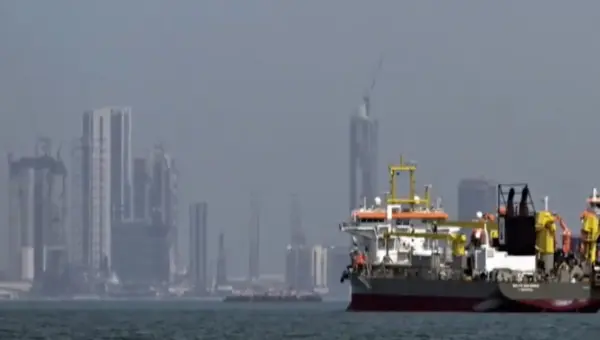
Iran Blocks China Ships, Exposing Beijing’s Weak Grip
Iran's recent decision to block Chinese ships at the Strait of Hormuz is exposing the limits of Beijing's influence in the Middle East. This action is causing delays and cancellations for Chinese manufacturers, turning a perceived geopolitical win into an economic strain.
Rubio: US Can Achieve Iran War Goals Without Troops
Senator Marco Rubio outlined a strategy to counter Iran without deploying U.S. ground troops, focusing on weakening the regime and enhancing maritime security. He also criticized Cuba's economic system and expressed concerns about West Bank violence.