Iran Rejects Peace Talks as US Escalates Military Action
The U.S. has escalated military actions against Iran, dropping bombs near the Strait of Hormuz, while Iran reportedly rejects peace proposals. President Trump aims for a swift resolution due to global economic impacts and upcoming international meetings. Experts believe Iran's maximalist demands and pursuit of nuclear ambitions are key obstacles to peace.

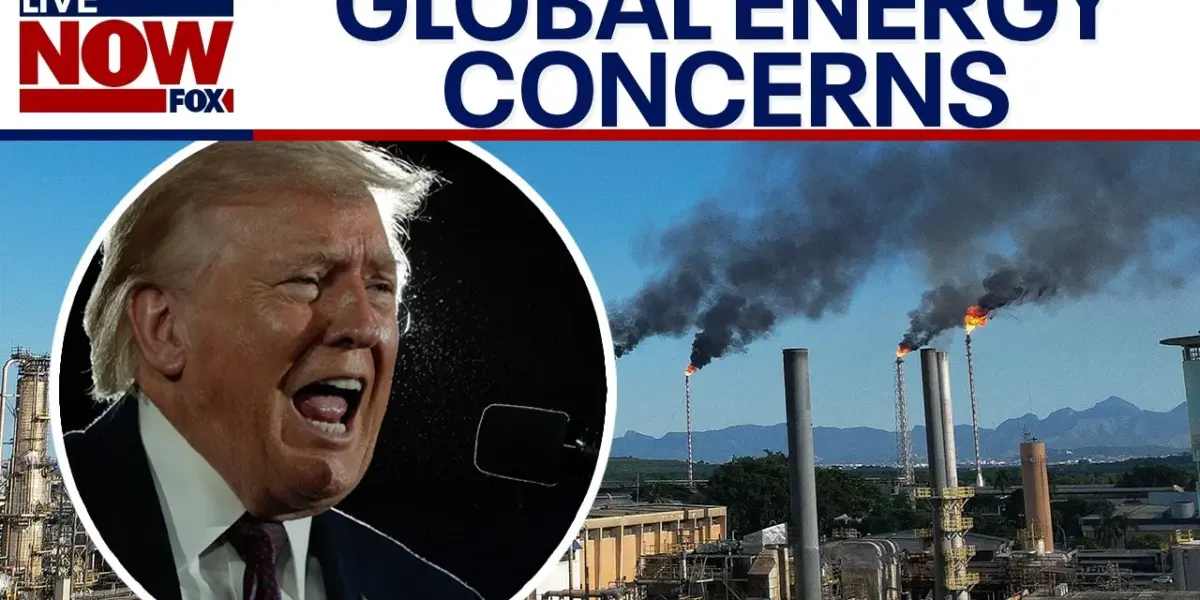
US Escalates Military Strikes, Iran Offers No Negotiation
The United States has intensified its military actions against Iran, reportedly dropping several large bombs on underground facilities near the Strait of Hormuz over the weekend. This escalation comes as the Trump administration insists its efforts against Iran are ahead of schedule, while simultaneously stating that talks remain productive, despite reports of Iran rejecting a U.S. peace proposal. White House Press Secretary Caroline Levit emphasized President Trump’s resolve, stating, “President Trump does not bluff and he is prepared to unleash hell.” This strong rhetoric signals a potential for further aggressive military action if Iran does not comply with U.S. demands.
Why Trump Seeks Swift Resolution
President Trump has reportedly expressed a desire to avoid a prolonged conflict with Iran, aiming to conclude the situation within weeks. This urgency stems from several factors. Firstly, President Trump has historically aimed for a swift resolution, often mentioning a four-to-six-week timeline. While a four-week completion seems unlikely given the current situation, a six-week timeframe is still a goal. Secondly, reopening the Strait of Hormuz is critical. Disruptions there are causing severe global supply chain problems, with some Asian countries even declaring national emergencies. The U.S. needs to restore stability to global energy markets. Thirdly, President Trump postponed his trip to China, which is now rescheduled for mid-May. He likely wants this conflict resolved and behind him before engaging with Chinese President Xi Jinping. Finally, President Trump appears keen to avoid repeating the extended military engagements seen in past conflicts like Afghanistan and Iraq following 9/11, a situation he wishes to avoid getting bogged down in.
Iran’s Demands and Diplomatic Stalemate
Reports indicate that Iran is unwilling to end the current conflict unless its demands are met. These demands reportedly include war reparation payments and recognition of Iranian sovereignty over the Strait of Hormuz. However, experts suggest these demands are maximalist and unlikely to be met. Retired Marine intelligence officer Al Keer noted, “There is no way that any of that is ever going to be met.” He added that Iran’s position is to control the Strait of Hormuz, a demand that is unacceptable to the United States and its allies. Keer described the two sides as “very far apart.” Despite the diplomatic impasse, the situation could open an avenue for Iranian officials to consider the U.S. proposals more favorably. The U.S. has stated it wishes to exhaust all diplomatic options before further military action, with a five-day moratorium on certain actions reportedly ending soon.
Potential for Expanded U.S. Military Action
The phrase “unleash hell,” while not a formal military term, suggests a significant increase in the scale and scope of U.S. military operations. This could involve deploying more heavy bombers like the B-52s and B-1s, which, despite not being stealth aircraft, can be used effectively due to U.S. air superiority. A more robust bombing campaign is likely, particularly around the Strait of Hormuz and key Iranian military sites, such as those on Qeshm Island. This island is known for its underground missile facilities, housing anti-ship missiles, ballistic missiles, and drones. However, Qeshm Island also has a population that is predominantly Sunni Muslim, differing from the Shiite ideology of the Revolutionary Guard Corps, which could present a complex dynamic. The U.S. military is also increasing its presence in the region, with the 31st Marine Expeditionary Unit operating in the Gulf of Oman and other units deploying soon. Military options, including potential island hopping in the Persian Gulf, are reportedly opening up, with Saudi Arabia signaling a readiness to become involved.
U.S. Demands and Iran’s Nuclear Ambitions
The White House has outlined what the U.S. wants to see from Iran to end the conflict. This includes Iran cooperating with President Trump, permanently abandoning its nuclear ambitions, and ceasing to threaten the U.S. and its allies. However, Iran has a history of denying nuclear ambitions while quietly pursuing uranium enrichment. Keer stated, “You really can’t take whatever Iran says in that regard at its word because they’ve just tried to circumvent that so many times.” He stressed the need for verification rather than trust. The demand for Iran to abandon its nuclear program and stop threatening allies remains a core U.S. objective.
Global Economic Impact: The Philippines’ Crisis
The conflict’s impact on global energy markets is already severe. The Philippines, a nation that imports most of its oil, has declared a state of national energy emergency due to an “imminent danger of a critically low energy supply.” President Ferdinand Marcos Jr. cited the war as the cause. Unlike wealthier nations with strategic reserves, the Philippines lacks the capacity to weather significant interruptions in global oil flows. This has led to dire consequences, with reports of people unable to get to work because public transport drivers cannot afford gasoline. The economic fallout extends further, as many Filipinos working in the Persian Gulf send remittances home, which form a significant part of the country’s economy. This flow of money is slowing down as work opportunities diminish, exacerbating the national emergency.
Pakistan as a Potential Mediator
In the search for a credible third-party mediator, Pakistan is emerging as a strong candidate. While Turkey initially attempted mediation, its efforts were complicated by Iran sending drones to hit sites in Turkey, placing Turkey in the line of fire. Pakistan, a large and militarily powerful nation bordering Iran, has a complex history with Tehran but also maintains a strong relationship with the United States. This unique position allows Pakistan to act as an interlocutor, engaging frankly with both Iranian and U.S. officials. As a nuclear power, Pakistan also possesses significant gravitas, positioning it well to help resolve the current crisis.
Dwindling Missile Supplies and Regional Tensions
Iran’s intermittent missile attacks on its neighbors, including Israel, have lessened, with Wednesday marking the first day without strikes on the UAE. This reduction could indicate dwindling Iranian missile supplies and launch capabilities, forcing them to be more selective in their targets. While it’s possible Iran is attempting to de-escalate with the UAE, experts suggest it’s more likely a sign of depleting resources. The increased U.S. military presence, including the deployment of Marine Expeditionary Units and airborne forces, is likely a factor causing Iran to reconsider its strike patterns. The strategic importance of islands in the Persian Gulf, such as Abu Musa and the Greater and Lesser Tunb islands, which are claimed by the UAE, could also be influencing Iran’s calculations, especially if the U.S. were to seize them and hand them over to the UAE.
Upcoming U.S.-China Summit: Iran on the Agenda
President Trump’s rescheduled meeting with Chinese President Xi Jinping in Beijing on May 14th and 15th will likely include discussions on the Iran situation. A key point of agreement is expected to be maintaining the Strait of Hormuz as a vital waterway. While China has benefited from purchasing discounted Iranian oil, this practice is unsustainable and will increase China’s own costs. Both nations share an interest in preventing the massive supply chain disruptions witnessed recently. However, discussions on Taiwan are also anticipated, likely taking place behind closed doors. The U.S. hopes to see China align with efforts to stabilize global energy markets and prevent further escalation in the Middle East.
Source: Iran claims ‘no intention of negotiating’ as Trump offers peace plan, energy markets react (YouTube)

Related Articles

Iran War Escalates, Allies Join Fight for Strait of Hormuz
The conflict in the Middle East intensifies as Iran faces expanded strikes from Israel and retaliatory attacks across the region. The U.S. deploys thousands more troops and offers a 15-point deal, while the Houthis of Yemen join the fray with a missile attack on Israel. Allies are preparing to help secure the vital Strait of Hormuz.


Trump’s ‘Loser’ Comments Reveal Deep Insecurity, Risky Foreign Policy
Donald Trump's controversial "loser" comment reveals a deep insecurity driving his foreign policy, leading to poorly planned actions like the escalating Iran crisis. This pattern of surrounding himself with less capable individuals, rather than challenging experts, poses significant risks for international stability and suggests a dangerous approach to critical global decisions.

Iran Escalates Global Conflict, Threatens World Economy
Yemen's Houthi rebels have officially joined the conflict, launching ballistic missiles at Israel and escalating regional tensions. This move threatens vital shipping lanes like the Red Sea's Bab al-Mandab strait, potentially causing catastrophic economic consequences. Meanwhile, US soldiers have been injured in Iranian missile strikes, adding to the mounting human and financial costs of the escalating war.