Iran Rejects Demands, Trump Threatens Naval Blockade
Negotiations between the US and Iran have collapsed, leading Donald Trump to threaten a full naval blockade of the Persian Gulf. Iran insists on a pre-agreed 10-point plan, while the US reportedly attempted to impose new terms. The potential blockade raises fears of global oil price spikes and wider conflict.

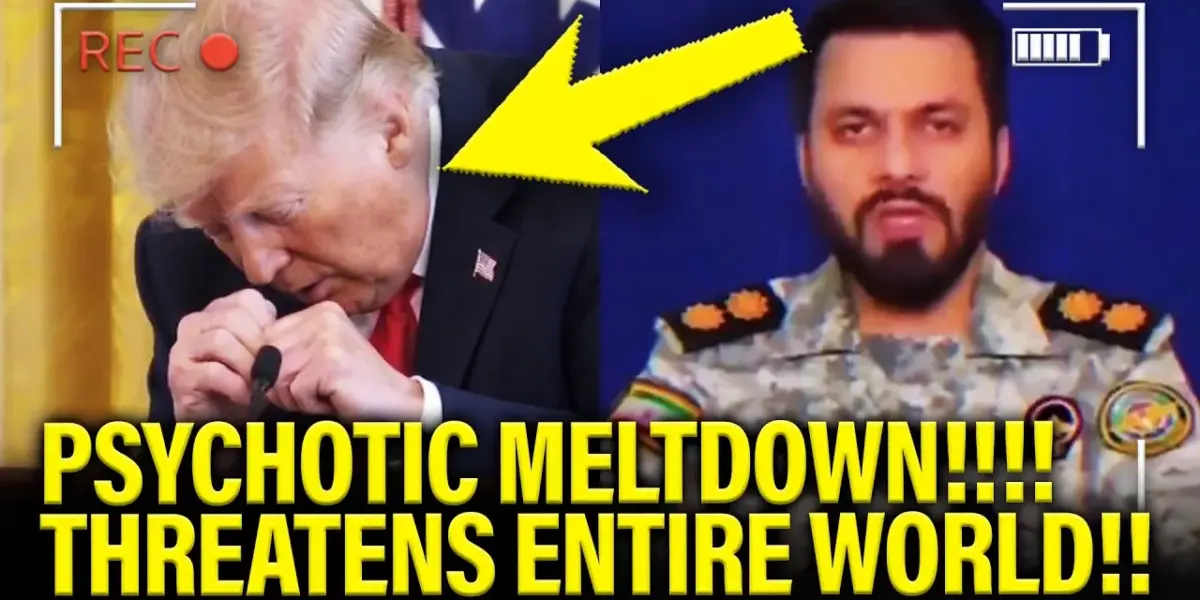
Iran Rejects Demands, Trump Threatens Naval Blockade
Negotiations between the United States and Iran have hit a major roadblock. Talks in Islamabad, Pakistan, aimed at securing a ceasefire, reportedly fell apart after Iran refused to change a pre-approved 10-point plan. This plan was previously agreed upon by Donald Trump before a ceasefire was announced.
According to reports, Trump’s negotiators, including J.D. Vance and Jared Kushner, attempted to impose new settlement terms on Iran in Islamabad. Iran, however, insisted on sticking to the original 10-point agreement. This disagreement led to the collapse of the negotiations after about 20 hours.
Following the breakdown of talks, Donald Trump announced a plan for a full United States naval blockade of the Persian Gulf. He stated that all tankers from every country would be blocked from entering the Persian Gulf to transport crude oil. Trump described this move as a response to Iran’s alleged refusal to allow passage and its mention of potential mines in the water.
Trump posted on social media, “The United States Navy, the finest in the world, will begin the process of blockading any and all ships trying to enter or leave the strait of Hormuz. At some point, we will reach an all being allowed to go in, all being allowed to go out basis.” He added that Iran’s actions were “world extortion.”
Iran’s Counter-Narrative and International Engagement
Iran, however, has been pursuing its own diplomatic channels. The country has been holding discussions with various nations, allowing allies and neutral countries to use the Strait of Hormuz for a fee of around $2 million per tanker. Countries like China, Russia, India, and France have reportedly secured specific deals with Iran for access.
Iranian social media has reportedly mocked Trump’s blockade plan. Posts suggested the idea was so comical that there wasn’t even a meme for it, indicating a perception of weakness and desperation from the US.
The Iranian parliament leader, MB Galabaf, stated after the negotiations, “We have the necessary good faith and will, but due to the experiences of two previous wars, we have no trust in the opposing side.” He emphasized that the US failed to gain the trust of the Iranian delegation and that it is now up to America to decide if it can earn Iran’s trust.
Historical Context and Diplomatic Failures
This is not the first time US-Iran negotiations have faced significant challenges. The transcript mentions previous instances of bad faith exhibited by the United States in late February and June. The current situation echoes these past difficulties, highlighting a pattern of strained diplomatic relations.
The bombing of an elementary school in Iran, resulting in the deaths of over 165 children, was referenced as the naming origin for the Iranian delegation, known as Minab 168. This detail underscores the deep-seated historical grievances and mistrust between the two nations, adding a somber layer to the ongoing conflict.
Concerns Over Escalation and Economic Impact
The proposed naval blockade raises serious concerns about potential escalation. Experts suggest that if the blockade is implemented, Iran’s next move could be to activate Houthi forces to disrupt shipping in the Red Sea. This could significantly impact global oil prices, potentially driving them much higher.
An Israeli intelligence officer, Danny Citronitz, noted that “The escalation now appears increasingly unavoidable, especially as Trump significantly raises the stakes with the blockade.” He predicts that Iran is unlikely to back down and may test US resolve by targeting American naval assets or disrupting commercial shipping. This could lead to a sharp spike in global oil prices, with severe consequences for economies, especially in Asia, that rely on energy imports from the Gulf.
Citronitz also warned that such developments could increase the risk of Iranian strikes against infrastructure designed to bypass Hormuz, like pipelines. The situation is described as a scenario with no clear winners, only varying degrees of losers, with Iran, China, and Russia potentially benefiting while the US and NATO suffer losses.
Media Coverage and Public Perception
The transcript criticizes corporate media coverage of the conflict, suggesting it is inadequate and fails to report the truth. The speaker emphasizes the importance of independent reporting and using tools like Ground News to compare different media outlets’ perspectives and identify political bias.
Right-wing media, according to the analysis, has been reporting that “empty tankers are heading to the US to load up with oil and gas.” However, the speaker argues this ignores the complexities of the international oil market, where events in the Strait of Hormuz affect prices globally. This is seen as propaganda aimed at distracting the right-wing base from the real consequences unfolding.
Future Outlook
The situation remains highly volatile. Donald Trump’s threats of a naval blockade and potential military action against Iran, including suggestions of “wiping out” Iran in a short period, signal a dangerous path. Iran, meanwhile, appears resolute in defending its interests and has indicated a willingness to use military means alongside diplomacy.
The effectiveness and implications of Trump’s proposed blockade are uncertain. However, the potential for miscalculation and further escalation is significant, with global economic stability at risk. The coming days and weeks will be crucial in determining whether diplomacy can prevail or if the region is headed towards a wider conflict.
The transcript also touches on the US Navy’s reported encounter with the Iranian Navy in the Strait of Hormuz. Video footage allegedly shows an Iranian warning to a US warship to turn back, which the US Navy reportedly did, despite official US statements claiming a successful mission. This incident, if true, would represent a significant embarrassment and a display of Iranian assertiveness.
Source: Trump has PSYCHOTIC MELTDOWN as Iran REFUSES DEMANDS!!! (YouTube)

Related Articles
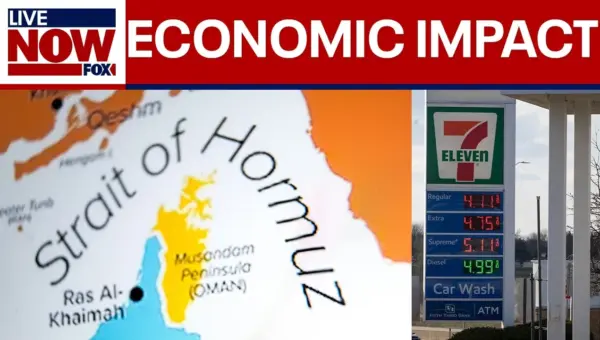
Trump Orders Strait of Hormuz Blockade, Risks Global Oil Shock
President Trump has ordered the U.S. Navy to blockade the Strait of Hormuz, a critical global oil transit point, sparking fears of soaring energy prices and inflation. This strategic move aims to exert pressure on Iran and China, while also addressing domestic economic concerns ahead of midterm elections.

Iran’s Strait of Hormuz Blockade Shifts Global Oil Power
Iran's control over the Strait of Hormuz, a vital global oil route, is shifting economic power dynamics. As former President Trump declared a U.S. naval blockade, experts highlight Iran's effective use of this physical choke point, challenging U.S. financial leverage and potentially forcing negotiations under duress.
US Tightens Grip, Eyes Regime Change in Iran
John Bolton argues that the recent ceasefire with Iran was a mistake and advocates for a renewed military strategy. His proposal includes reopening the Strait of Hormuz and maintaining a blockade on Iranian oil to pressure the regime, with the ultimate goal of regime change.