Iran Rejects Ceasefire, Escalates Mideast Tensions
Iran has rejected a 45-day ceasefire proposal, offering its own 10-point plan instead. This move escalates tensions in the Middle East, with threats to the vital Strait of Hormuz looming. World leaders are concerned about potential disruptions to global oil supplies and further conflict.

Iran Rejects Ceasefire, Escalates Mideast Tensions
World leaders are focused on new diplomatic efforts to end a growing conflict in the Middle East. However, these talks hit a major roadblock as Iran rejected a proposal for a 45-day ceasefire. Instead, Iran has put forward its own 10-point plan. They say this plan aims to end the war completely, not just pause it.
Mediators Push for Peace
Countries like Pakistan, Turkey, and Egypt are working hard as mediators to find a peaceful solution. These nations are trying to bring the involved parties together. Despite their efforts, Iran’s state news agency announced the rejection of the ceasefire proposal. This move signals a hardening of Iran’s position in the ongoing conflict.
Iran’s Stance and Counter-Proposal
Iran’s Foreign Ministry stated that their positions have been shared with mediators from the start. They believe that messages are still being exchanged, which is normal. However, they made it clear that real negotiations cannot happen alongside ultimatums or threats of war crimes. Iran’s counter-proposal suggests a different path forward, seeking a full resolution rather than a temporary halt to fighting.
Strait of Hormuz Threat Looms
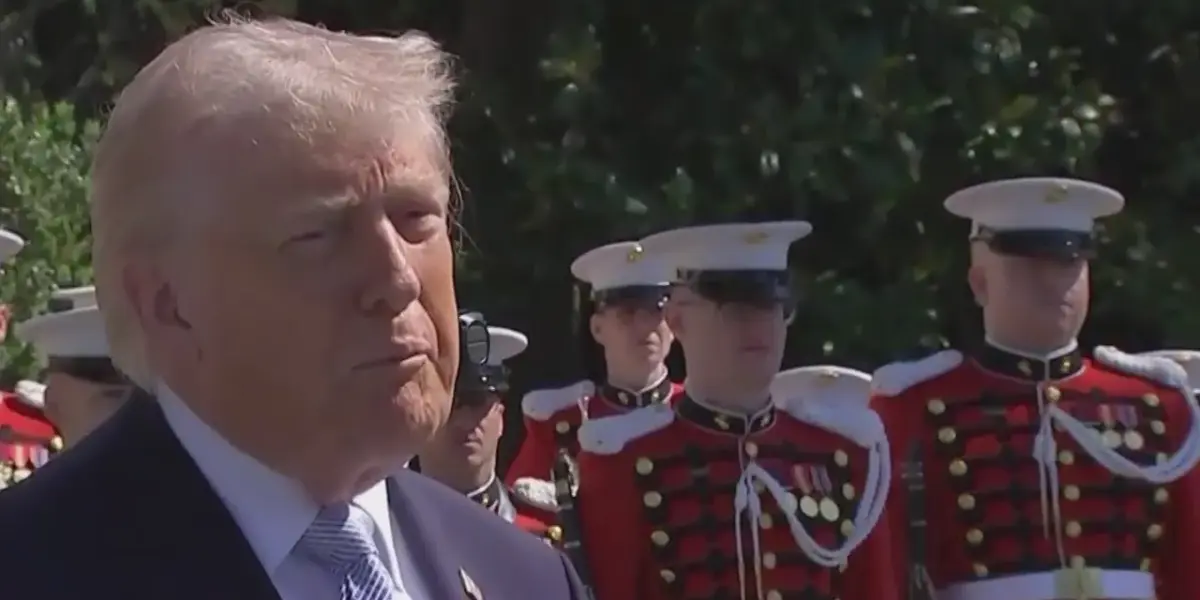
A significant concern is the threat to the Strait of Hormuz, a crucial waterway for global oil transport. The U.S. president warned that if Iran does not agree to a deal, the situation could get worse. He suggested that Iran’s energy infrastructure, like bridges and power plants, could be targeted. The president also mentioned that the U.S. is prepared to pay more for gas if needed, acknowledging the potential impact on oil supplies if the Strait of Hormuz is closed.
Deadlines and Escalation
President Trump indicated that there had been some flexibility on previous deadlines. However, he stated that there will be no more extensions. The deadline for a resolution is firm. This lack of movement on the deadline adds pressure to the ongoing diplomatic efforts. Meanwhile, fighting continues, with reports of strikes inside Iran targeting Iranian leadership.
Targeting Leadership and Retaliation
Recent actions have included the elimination of top Iranian leadership, according to Israeli reports. This includes the intelligence chief of Iran’s Revolutionary Guard, who was relatively new to the position. His predecessor was also reportedly eliminated by Israel. Iran has retaliated for these actions. This tit-for-tat escalation raises concerns about further violence.
Damage and Casualties
The retaliation from Iran has resulted in significant damage. In Haifa, north of the conflict zone, a residential area was hit by an Iranian attack. At least four people were killed in this strike. Rescue crews have been working to clear the debris and assist those affected. The ongoing attacks highlight the destructive nature of the conflict and its impact on civilian areas.
Global Impact: Why This Reshapes the World Order
Iran’s rejection of the ceasefire and its counter-proposal, coupled with threats to the Strait of Hormuz, has significant global implications. The Strait of Hormuz is vital for transporting about one-fifth of the world’s oil. Any disruption there could cause oil prices to spike worldwide, affecting economies everywhere. This situation tests international diplomacy and the ability of mediators to prevent a wider war. The involvement of multiple countries as mediators shows a global effort to contain the crisis. However, Iran’s firm stance and the potential for further escalation demonstrate the complex geopolitical challenges in the region. The ongoing strikes and retaliations create a cycle of violence that is difficult to break. This could lead to increased instability across the Middle East, impacting energy security, trade routes, and regional alliances.
Historical Context
The current tensions echo past conflicts and diplomatic standoffs in the Middle East. The Strait of Hormuz has historically been a point of strategic importance and potential conflict. Nations have long sought to control or influence this vital passage. Past incidents involving shipping and naval forces in the region have led to increased military presence and heightened tensions. The current situation can be seen as a continuation of these long-standing strategic rivalries and concerns over regional power dynamics.
Economic Leverage and Future Scenarios
Economic factors are playing a crucial role. Threats to energy infrastructure and transport routes are forms of economic leverage. Iran’s ability to disrupt oil supplies gives it significant power. Conversely, sanctions and potential military action by other powers represent their economic and military leverage. Several future scenarios are possible. One is a continued, low-level conflict with ongoing strikes and retaliations, but without a full-scale war. Another is a rapid escalation, triggered by a major incident in the Strait of Hormuz or a significant attack on Iranian infrastructure. A third, though less likely given Iran’s current stance, is a breakthrough in negotiations leading to a de-escalation. The path forward depends heavily on the decisions made by Iran, the U.S., and other key regional players in the coming days.
Source: Iran rejects 45-day ceasefire proposal | NewsNation Live (YouTube)

Related Articles
Iran and US Trade Blows as Tensions Spike
The U.S. and Iran are engaged in a dangerous exchange of strikes, with a critical deadline set by President Trump looming over the Strait of Hormuz. Both nations, along with Israel, are escalating military actions, while diplomatic channels remain open but strained.
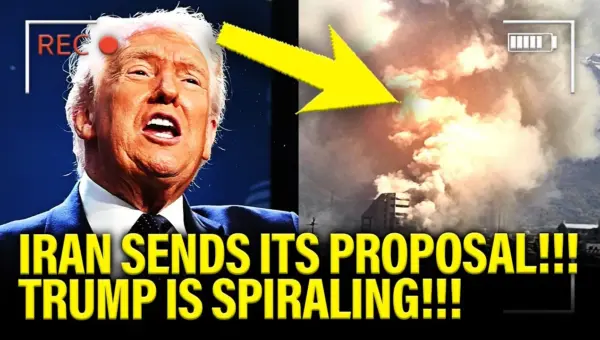
Trump’s Iran Threats Spark War Crimes Fears
Former President Donald Trump's extreme threats against Iran have led to a communication blackout and fears of war crimes. Iran has warned of severe regional retaliation if attacked, while international figures call for Trump's removal from office.

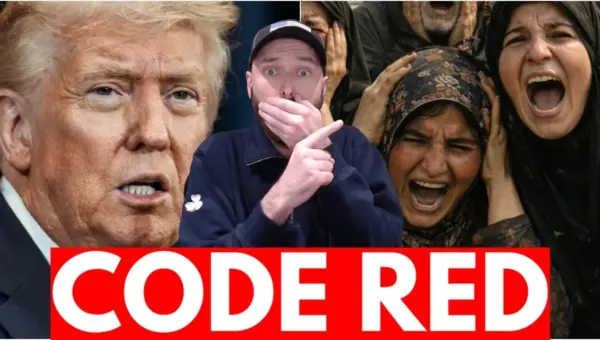
Iran Uses Civilians as Shields Amidst Escalating Tensions
Iran has reportedly deployed civilians as human shields around power plants and bridges amidst escalating tensions and collapsing diplomatic talks. This tactic aims to deter potential attacks by creating a moral dilemma, while official statements deny the use of nuclear weapons. The situation highlights a disturbing trend in modern warfare.