Iran Rejects Ceasefire, Demands Major Concessions From US
Iran has rejected calls for a ceasefire, instead presenting a 10-point plan with demands for security guarantees and sanctions relief. Amidst allegations of market manipulation, Donald Trump has made controversial public statements regarding the conflict. Meanwhile, military actions and targeted strikes have escalated, raising concerns about wider regional conflict and its global economic impact.

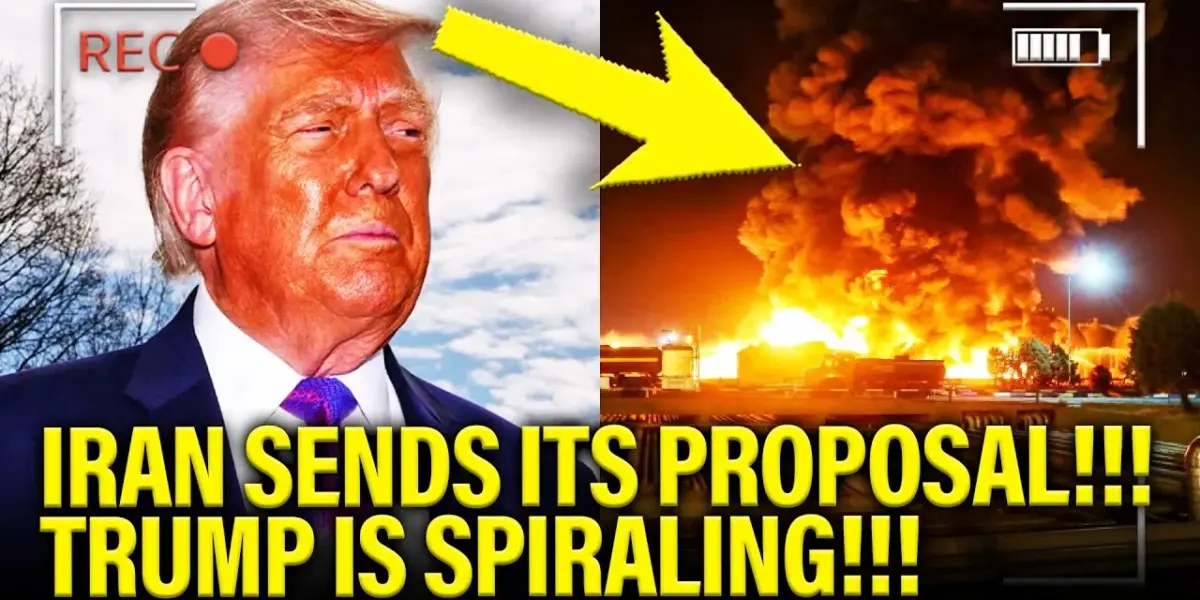
Iran Rejects Ceasefire, Demands Major Concessions From US
Tensions are rising as Iran has responded forcefully to U.S. overtures for a ceasefire, presenting a detailed list of demands that go far beyond what the United States has offered. This comes after claims by Donald Trump that a ceasefire was close, claims Iran has now publicly denied.
Iran’s Demands: A Non-Negotiable Stance
Iran has put forth its own 10-point plan, outlining what it considers essential for peace. Key among these demands are long-term security guarantees for Iran and its regional allies, including groups like Hezbollah in Lebanon and Shiite militias in Iraq. Iran also insists on full sanctions relief and control over the Strait of Hormuz, a vital waterway for global oil transport, through a toll system. Furthermore, Iran has stated it will not give up its ballistic missile program or major weapons systems like Shahid drones. These points are presented as non-negotiables, indicating Iran is unwilling to engage within the U.S.-proposed 15-point framework.
Allegations of Market Manipulation
The timing of these developments has led to accusations of market manipulation. Reports suggest that before key market openings, information about potential ceasefires is selectively leaked to specific reporters. These leaks, according to critics, are designed to influence market behavior. A recent report in Axios, quoting unnamed U.S., Israeli, and regional sources, suggested a 45-day ceasefire was being discussed. However, this was quickly followed by Iran’s clear rejection of a ceasefire and its insistence on a permanent resolution.
Trump’s Public Statements and Rhetoric
During an Easter egg hunt at the White House, Donald Trump addressed the situation, making controversial statements about the Iranian people. He suggested that the Iranian people welcome U.S. military action, stating they become unhappy when the bombing stops because they desire freedom. Trump also alluded to a deadline for Iran to meet his demands, implying continued military action if they do not comply. When questioned about previous claims that Iran had been “obliterated,” Trump acknowledged that while Iran’s capabilities are limited, they still possess some missiles and drones, and noted that U.S. helicopters had sustained damage.
Escalation and Targeted Strikes
While diplomatic discussions, or lack thereof, continue, military actions have also escalated. Reports indicate that Iran’s South Pars petrochemical facility, a major exporter, has been attacked. Additionally, a U.S.-Israeli strike reportedly hit Sharif University of Technology, described as Iran’s MIT, targeting labs, buildings, and a data center. Israel has also reportedly killed a senior Iranian Revolutionary Guard Corps intelligence official. These actions, along with alleged targeting of civilian infrastructure, suggest a strategy to pressure Iran into negotiations.
Historical Context and Future Outlook
The current situation echoes past periods of heightened U.S.-Iran tensions, often characterized by cycles of military posturing and economic pressure. Iran’s insistence on security guarantees and sanctions relief stems from years of sanctions and perceived external interference. The U.S., meanwhile, under the Trump administration, has pursued a policy of maximum pressure. The future outlook remains uncertain, with Iran showing no signs of backing down from its core demands and the U.S. employing a mix of rhetoric and military action. The potential for further escalation, including strikes on energy facilities, remains a significant concern.
Why This Matters
This standoff has significant implications for regional stability and global energy markets. Iran’s control over the Strait of Hormuz is a critical factor, and any disruption could lead to soaring oil prices and widespread economic consequences. The aggressive rhetoric and targeted strikes also increase the risk of a wider conflict. For the United States, the prolonged engagement and escalating costs raise questions about the long-term strategy and its effectiveness in achieving U.S. objectives in the region.
Source: Trump PANICS as IRAN SENDS MESSAGE BACK in WAR!! (YouTube)

Related Articles

CIA Deception Aids Airman Rescue Amid Iran Talks
A daring CIA deception operation successfully rescued a downed U.S. airman, showcasing a powerful fusion of intelligence and military might. This high-stakes rescue unfolds as diplomatic channels between the U.S. and Iran reportedly explore a framework for ending hostilities, adding complexity to the ongoing geopolitical landscape.
US Cracks Down on Iranian Regime Ties
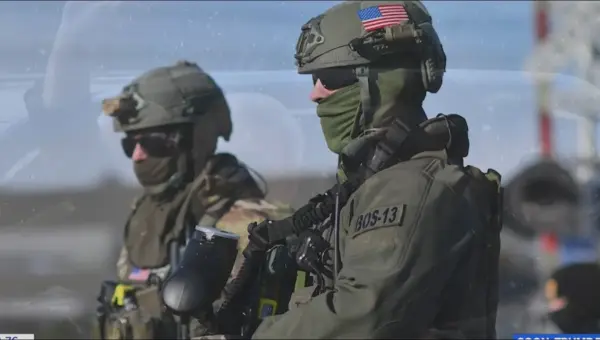
The U.S. is revoking visas and residency for Iranians with ties to the Iranian government, including relatives of slain General Qasem Soleimani. These actions are part of a broader national security review aimed at preventing potential threats and countering Iranian influence.

US Bombs Iran Bunker as Peace Talks Officially Crumble
B-2 stealth bombers have destroyed a secret Iranian bunker as peace talks officially collapse. Iran has rejected a ceasefire proposal, signaling a potential for prolonged conflict. The U.S. has demonstrated its advanced military capabilities, while tensions remain high across the Middle East.