Iran Rejects Ceasefire as Trump’s Deadline Nears
Iran has rejected calls for a ceasefire as President Trump's deadline for reopening the Strait of Hormuz nears. The U.S. demands Iran abandon its nuclear ambitions and stop mining a vital global oil route. Trump has threatened to strike Iran's power plants and bridges if demands are not met.

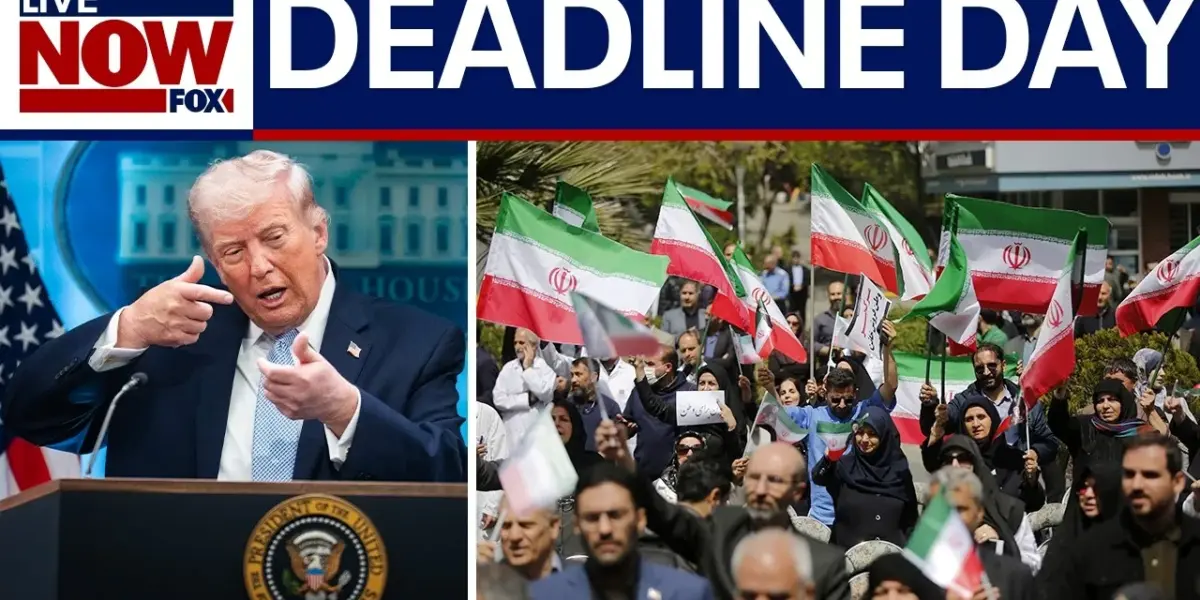
Iran Rejects Ceasefire, Stands Firm as Trump’s Deadline Approaches
As a critical deadline set by President Trump for Iran to reopen the Strait of Hormuz looms, the nation has rejected calls for a ceasefire. The situation remains tense, with President Trump issuing a stark warning over the weekend via Truth Social: “Tuesday will be power plan day and bridge day all wrapped into one.” This ultimatum comes as negotiations between U.S. representatives, including Steve Witkoff and Jared Kushner, and an Iranian official claiming authority have been ongoing. Despite President Trump’s earlier remarks about progress, the looming deadline indicates a potential turning point, with Iran facing immense pressure to concede to demands.
Key Demands and Global Impact
While the exact terms of the negotiations have not been made public, key demands reportedly include Iran abandoning its pursuit of nuclear weapons and ballistic missiles. Crucially, Iran is also being pressed to cease mining the Strait of Hormuz, a vital waterway that controls approximately 20% of the world’s petroleum. The disruption of oil flow through this passage has already had significant global repercussions, affecting nations like China, which relies heavily on it for its oil imports. Currently, over 800 ships are anchored, hesitant to traverse the strait due to the ongoing threats, bringing the flow of petroleum to a near standstill.
Threats of Infrastructure Strikes
President Trump has threatened to cripple Iran’s infrastructure by targeting its power plants and bridges. Such actions would be devastating to Iran, which is already struggling under international sanctions. Destroying this critical infrastructure could set the country back years in terms of rebuilding. In response, Iranian officials have urged young people to form human chains around power plants, a tactic that has been used in other conflicts. However, national security expert Kenneth Gray from the University of New Haven expressed doubt about the effectiveness of this strategy, especially given limited media access within Iran.
International Law and UN Scrutiny
The potential for strikes on Iranian infrastructure has drawn sharp criticism internationally. The United Nations has stated that attacking civilian infrastructure could constitute a war crime and has advised the United States against such actions. This puts the U.S. in a position of opposition not only to Iran but also to its allies and the UN. Kenneth Gray noted that while the UN could impose sanctions against the U.S., their effectiveness is questionable, citing the lack of significant UN action against Russia for similar attacks in Ukraine. This suggests that international pressure may not be enough to deter U.S. actions.
U.S. Military Dominance and Precision Strikes
The United States appears to hold significant air superiority over Iran, with reports of over 10,000 combat flights and more than 13,000 targets struck in the past 37 days. This demonstrates the U.S. military’s ability to operate with relative impunity. Kenneth Gray highlighted the precision of these operations, explaining that a single aircraft can hit multiple targets, leading to the high number of strikes. He also pointed to the continued effectiveness of older aircraft like the A-10, which has proven valuable despite attempts to retire it. This air dominance allows for surgical strikes, potentially targeting critical components like transformers to disable the power grid without necessarily hitting the power plants themselves.
The Strait of Hormuz: A Persistent Concern
While Iran has allowed some non-U.S. flagged ships to pass through the Strait of Hormuz, the U.S. demands complete freedom of passage. The primary fear remains that Iran could mine the strait, a move that would significantly complicate efforts to clear passage. Although Iran’s naval capabilities have been diminished, they still possess small boats capable of deploying mines. The United States lacks a robust fleet of mine sweepers, making the removal of any deployed mines a lengthy and dangerous process, especially if conducted under fire. The situation underscores the delicate balance of power and the potential for escalation in the region.
Looking Ahead
As the deadline approaches, the world watches to see if Iran will concede to the U.S. demands or if President Trump will follow through on his threats to cripple Iran’s infrastructure. The international community’s response, particularly from the UN and U.S. allies, will be closely monitored. The coming hours are critical in determining the future trajectory of the conflict and its impact on global stability and energy markets.
Source: Iran rejects ceasefire as Trump's deadline looms (YouTube)

Related Articles

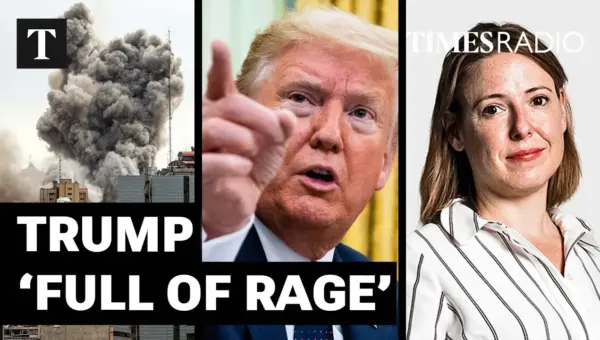
Trump’s ‘Civilization Dies’ Threat Sparks War Crime Fears
Former President Donald Trump's social media threat that "a whole civilization will die tonight" has sparked international outcry, with experts warning of potential war crimes. Analysts question the feasibility of such an attack and its devastating implications for regional stability and international law.

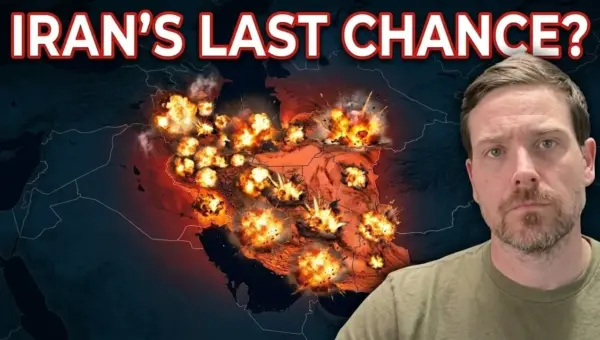
Trump’s Civilization Threat Sparks Global Alarm
President Trump's stark warning of "civilizational destruction" in Iran has ignited global concern, raising questions about diplomatic norms and the potential for wider conflict. As communications break down and military actions escalate, the world watches anxiously for de-escalation or further confrontation.
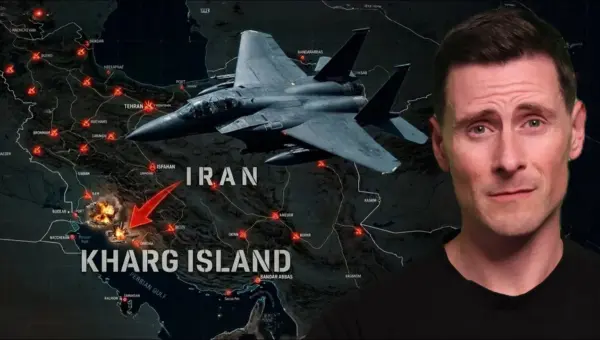
US Strikes Iran’s K Island, Targeting IRGC Hub
U.S. forces launched precise strikes on Iran's K Island, a key IRGC naval and logistics hub. The operation targeted military infrastructure, avoiding oil terminals, in an effort to degrade Iran's threat to maritime shipping in the Straits of Hormuz. The move signals a significant escalation amid heightened regional tensions.