Iran Regime Faces Despair as US Shows Unwavering Resolve
An analyst suggests that the Iranian regime is experiencing growing despair due to unwavering US resolve. He argues that the core ideology of the regime has not changed and proposes strategies to pressure the government, including financial chokeholds and stripping them of hope. The analysis indicates a prolonged effort may be needed beyond initial military actions to achieve significant change.

Iran’s Regime on the Brink? Analyst Sees Deepening Despair
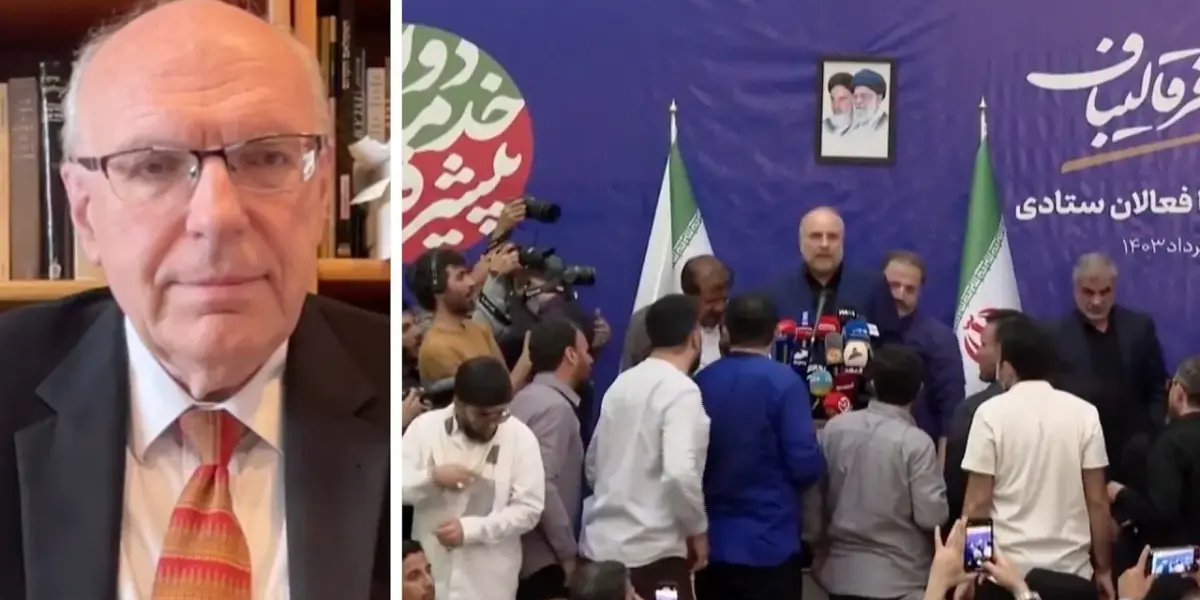
The Iranian regime might be facing a critical moment, according to Middle East analyst David Wormser. He suggests that the current situation could be leading to a feeling of despair within the Iranian government. This comes as the United States, under President Trump, has shown a strong and consistent commitment to its policies, a resolve that Wormser believes Iran did not anticipate.
Signaling and Strategy: A Message to Tehran
Wormser explains that public statements from US officials, like Secretary of War Pete Hexath, are not just about policy. They also serve as signals to the Iranian regime. The US is essentially telling Iran that it knows the current leadership may not have been in charge when recent conflicts began. This offers Iran a chance to step back, a potential path away from further escalation.
“We’re giving you a shot… we need to give them a chance to climb down.”
However, Wormser cautions that this doesn’t mean the US fully trusts the new leadership. It’s more about creating an off-ramp to avoid a wider conflict. He believes this is a strategic move to shape future actions rather than a sign of a fundamental change in Iran’s government.
No Ideological Shift: The Same Faces, The Same Goals
Despite claims from President Trump and Hexath about a change in Iran’s regime, Wormser is skeptical. He argues that the core ideology of the Iranian government has not changed. He points to figures like Kalibaf, who he describes as a “grizzly man.” Kalibaf allegedly threatened a coup in 1999 to stop reforms and was involved in suppressing student protests, even participating in violence against citizens.
Another key figure mentioned is Vahidi, who Wormser identifies as the mastermind behind deadly bombings of foreign embassies, including the AMIA bombing in Argentina. These individuals, Wormser contends, share the same fundamental ideology as the previous regime. While they might seek to negotiate to stop a war and improve their image, Wormser doubts their ability to fundamentally change Iran’s direction.
Choking Off Support: Targeting Iran’s Lifelines
Wormser believes that as long as the current regime remains in power, its support for terrorism and its attempts to rebuild its capabilities will continue. He also highlights the strategic impact of Iran’s recent military performance, which he sees as a significant blow to China, a key ally. China has a strategic cooperation agreement with Iran and is involved in its Belt and Road Initiative.
To address this, Wormser suggests a financial strategy: seizing Iranian oil revenue, such as from Carg Island, and using it to help the Iranian people or victims of Iranian-backed attacks. This, combined with other measures, could financially cripple the regime. He likens Iran to a “wounded cobra” – still dangerous despite its injuries.
Stripping Hope: A Strategy for Change
For Wormser, the key to dealing with the Iranian regime is to remove any hope it has of survival. He proposes that even if a ceasefire is considered, the US and Israel should make it clear that operations will resume if Iran attempts to rebuild or repress its people. This constant pressure, he argues, would strip the regime of hope and, conversely, give hope to the Iranian people.
This strategy could lead to several outcomes over time. First, it might encourage uprisings within Iran, with Israel potentially striking IRGC forces attempting to quell them. Second, intelligence agencies could support and arm an emerging insurgency. Third, internal pressures could cause regime elements to turn on each other, similar to what happens within criminal organizations under extreme stress.
Beyond Air Strikes: A Multi-faceted Approach
While air attacks can degrade Iran’s military capabilities, Wormser suggests they are not enough on their own to remove the regime. He believes that a longer-term strategy is needed, potentially lasting months. He estimates that four to six weeks might be enough to significantly weaken Iran’s ability to threaten its neighbors and control its population, but not enough for the regime to fall completely.
Wormser also discusses the potential use of troops, not for a full invasion, but to seize key islands that control vital shipping lanes like the Strait of Hormuz. Islands such as Abu Musa, Lesser Tunbs, and Carg Island are critical for Iran’s oil exports and control of maritime passage. Taking these islands would deny Iran its income and severely weaken its position, while being a more manageable military objective than an invasion of mainland Iran.
Contingency Plans vs. Crushing Resolve
The Iranian regime has reportedly made contingency plans, including designating successors and granting local autonomy to different regions. This is to ensure continuity even if leadership is eliminated. However, Wormser believes that the current level of demoralization within the regime is so high that these plans may no longer be effective.
The regime had counted on factors like oil prices, international criticism, and potential casualties to force the US to back down. When these factors did not lead to a withdrawal of US pressure, Wormser suggests that despair is now setting in. The unwavering resolve shown by the US is something the Iranian leadership apparently did not prepare for, leaving them in a difficult and potentially desperate situation.
Source: 'Despair' Could Be Setting in for the Iranian Regime: Analyst (YouTube)

Related Articles
Iran Deal Talks Spark Market Jitters, Oil Prices Surge
Tensions between the U.S. and Iran are escalating, with reports of potential deal talks and significant U.S. military actions. Oil prices have surged amid the uncertainty, impacting global markets and raising concerns about energy security.
Trump Demands Allies Fund Their Own Defense
President Trump has voiced strong criticism towards NATO allies for their limited support in the Iran conflict. He urged them to either purchase energy from the US or take greater responsibility for their own defense, sparking debate about alliance burdens.

Trump’s Hormuz Gambit: A Risky Exit Strategy?
Donald Trump's recent statements suggest a potential U.S. withdrawal from operations in the Strait of Hormuz within weeks. This move raises concerns about global oil supplies and regional stability, especially as Iran continues to pose threats despite claims of its military weakness. The situation is further complicated by domestic controversies surrounding election integrity and the use of presidential powers.