Iran Regime ‘Dug In’ for Long War Amid Shifting US Aims
Iran is preparing for a long-term conflict, digging in its heels despite shifting U.S. objectives and potential calls for de-escalation. Analysts warn of increased regional instability and a potential push for nuclear weapons under the new leadership.

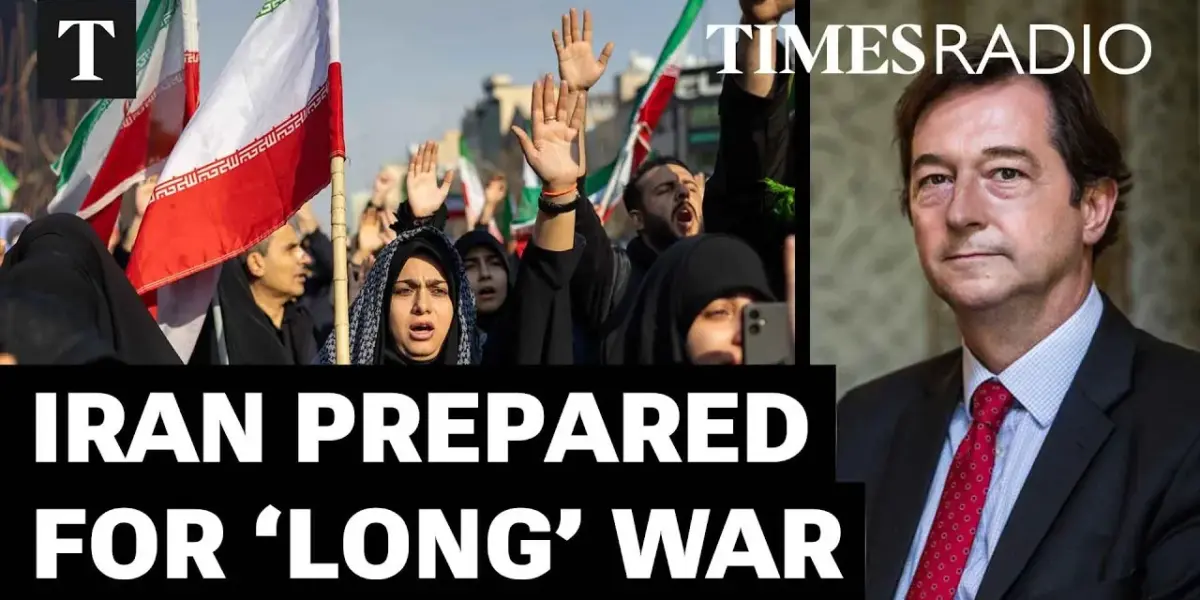
Iran Prepares for Prolonged Conflict as US Objectives Waver
TEHRAN – In the wake of escalating regional tensions and shifting U.S. foreign policy pronouncements, Iran appears to be consolidating its position for a protracted conflict, according to defense analysts and former diplomats. While the United States, under President Trump, has signaled a desire for a swift end to hostilities, Tehran’s strategic posture suggests a readiness to endure a prolonged confrontation, a stance deeply embedded within its societal and business structures.
Shifting U.S. Stance and Putin’s Influence
Recent statements from President Trump, including a lengthy call with Russian President Vladimir Putin – a known ally of Iran – have fueled speculation about a potential rapid de-escalation. However, experts suggest that the influence of figures like Putin on Trump’s decision-making, coupled with a series of evolving justifications for U.S. military engagement, creates an environment where declaring victory can be strategically convenient, regardless of the actual situation on the ground.
“I think the advantage of having very shifting objectives about why the US is at war,” noted Karen von Hipple, former director general of the Royal United Services Institute, “The Atlantic Monthly magazine in the US came up with a very good list of 10 excuses he’s come up with over 10 days. So, if you have all sorts of different reasons, it makes it a lot easier to declare success because that’s, you know, he can basically say, ‘Yes, I’ve achieved all of my goals that I set out.'”
Economic Pressures and Geopolitical Repercussions
The volatile geopolitical climate is having tangible economic effects globally. Rising oil prices, partly attributed to the ongoing conflict and potential easing of sanctions on countries like Russia, are impacting economies worldwide. Russia, in particular, stands to benefit from increased oil prices, while Ukraine, despite facing its own challenges, is leveraging its expertise in intercepting Iranian-supplied drones to assist Gulf nations.
“So yes, of course, this war is expanding in all sorts of unanticipated ways,” von Hipple observed. “Ukraine demonstrates its strength as an ally to these to these country.”
Iran’s Strategic Resilience and ‘Operation Madman’
Analysts suggest that Iran has been preparing for such eventualities for decades, employing a strategy termed ‘Operation Madman.’ This approach aims to inflict maximum pain on adversaries, including the United States and regional neighbors, through challenges to energy markets, shipping, and economies, as well as direct military actions. The goal is to create sufficient pressure to compel a U.S. withdrawal or de-escalation.
“The Iranian position as Karen was explaining before has been well prepared for years. It is a different response from what we saw last June in the 12-day war with Israel. This time the Iranians have sought to cause the maximum pressure to not only the aggressor as they see it, but also to neighboring countries in the hope that that will have a wider impact on Washington’s thinking.”
Nicholas Hopton, former British Ambassador to Iran
Nicholas Hopton, former British Ambassador to Iran, elaborated on this point: “The Iranians are dug in. They’ve got a new leader, new supreme leader, they’ve made that transition. Something that hasn’t happened for 37 years but they’ve made that transition. They’ve got a new military leadership having lost a lot of their military leaders… They’re looking pretty dug in.”
Internal Iranian Dynamics and Future Prospects
The recent conflict has led to a transition in Iran’s leadership, with the emergence of a new supreme leader. However, analysts express concern that this new leadership may be more susceptible to military and security hardliners, potentially diminishing prospects for internal reform and greater freedoms for the Iranian people.
“At the moment, I’m afraid, John, I see the opposite,” stated Hopton when asked about hopes for a freer Iranian society. “I think the result of the last week’s conflict so far has to be to put in place a new figurehead supreme leader who doesn’t have the experience or the wisdom perhaps of his father Ali Hame the previous supreme leader… but I think the new regime is actually more of a military security led junta even than the previous one.”
The Nuclear Question and Regional Instability
A significant concern raised is the increased likelihood of Iran pursuing nuclear weapons under its current leadership. Drawing parallels with North Korea and Libya, experts suggest that a regime feeling cornered or seeking ultimate security might abandon previous constraints, such as the fatwa reportedly issued by the former supreme leader against nuclear weapons development.
“The risk is that William Hey may be proved right over time.”
Nicholas Hopton on the possibility of Iran developing nuclear weapons
Hopton noted the historical context: “Ali Hame, the last supreme leader, had actually imposed a fatwaire on Iran ever developing a nuclear weapon. It’s not very clear what steps Iran had taken towards militarization of its nuclear capability… I think the Iranian regime now, as I say, dominated by military security hardliners, will look to the lessons of North Korea and Libya in particular… I think the Iranian regime know their history. They will be very aware of that and the risk is that William Hey may be proved right over time.”
Broader Implications for Global Stability
The ongoing situation in Iran and the Middle East has far-reaching consequences, impacting global economic stability and the trust between allies. The unpredictable nature of U.S. foreign policy under the current administration is eroding international confidence, forcing other nations to adapt and seek ways to navigate around perceived instability.
“He’s dragging everybody down with him. Right. It’s not just the United States that’s feeling the impact of high oil prices. It’s happening in the UK. It’s happening um in Asia,” von Hipple stated. “I think in a way I think people are just going to you know as much as possible try to figure out how to work around him and I think he’s losing a lot of the authority he has… He’s upsetting Americans. Many Americans don’t like going to war for really no real reason.”
Looking Ahead
As the conflict continues to unfold, the international community will be closely watching for any definitive shifts in U.S. policy, Iran’s strategic responses, and the potential for further regional destabilization. The coming months will be critical in determining whether de-escalation is achievable or if the region is indeed entering a prolonged period of heightened tension.
Source: Iran Regime ‘Dug In’ for Long War | Nicholas Hopton (YouTube)

Related Articles

US Escalates Iran Strikes Amid Casualty Surge, Oil Price Volatility
The U.S. has intensified its military strikes in Iran amidst rising U.S. service member casualties and significant oil price volatility. Conflicting messages from the administration on the war's endgame and timeline are fueling uncertainty, while regional tensions and market reactions to the conflict in the Strait of Hormuz remain critical.


US Service Members Hurt in Iran War; Trump Issues Mine Threat
At least 140 U.S. service members have been injured in the ongoing conflict with Iran, the Pentagon confirmed. President Trump issued a stern warning against Iran mining the Strait of Hormuz, threatening unprecedented military consequences. Meanwhile, a manhunt is underway in Canada after a shooting at the U.S. Consulate in Toronto.

President’s Iran Bombing Claim Sparks Fierce Media Scrutiny
A journalist's direct challenge to the President's claim about Iran bombing its own school with a Tomahawk missile exposes a potential pattern of misinformation. The analysis explores the implications for international trust, domestic impact, and the crucial role of independent media in seeking truth.