Iran Regime Crumbles Under Pressure, Allies Falter: Gingrich
Former Speaker Newt Gingrich believes the Iranian regime is weakening under pressure, while allies show strategic shortcomings. The conflict highlights geopolitical rifts and raises questions about global energy security and defense capabilities.

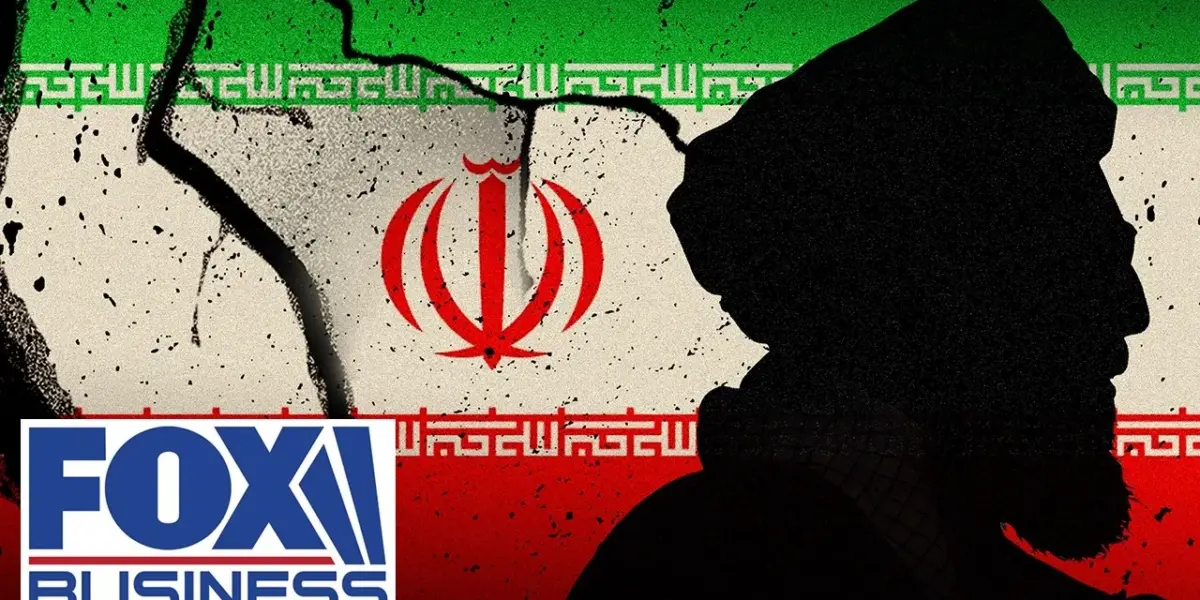
Iran Regime Under Siege as Allies Show Weakness
The Iranian regime is showing signs of strain, facing increasing pressure that is actively weakening its grip, according to former Speaker Newt Gingrich. He points to ongoing efforts by the Israeli coalition as successfully “steadily chewing up” the dictatorship, suggesting a significant shift is underway.
Gingrich believes that while the conflict’s duration is a concern for many, comparing it to historical struggles like the American Revolution and Civil War highlights the long-term nature of dismantling entrenched dictatorships. He stated that expecting a quick, magical solution after 50 years of preparation by the Iranian regime is unrealistic. The focus, he argues, should be on the progress being made against the dictatorship.
Geopolitical Strains and Allied Disagreements
The conflict has also exposed significant friction between the United States and its traditional allies, particularly in Europe. A recent report indicates that while the U.S. administration has criticized allies for not providing enough military support, it hasn’t offered sufficient aid itself. This has created a “profound difference” in perspectives and actions.
Gingrich elaborated on these differences, noting that America’s historical role in protecting Europe since World War II means allies should contribute their fair share. He also pointed to fundamental disagreements about the future: the U.S. favors innovation, while some European nations lean towards regulation. This divergence impacts how nations approach global challenges and project power.
Military Capacity and Strategic Interests
The discussion also touched upon the military capabilities of key allies like France and Britain. Gingrich expressed skepticism about their current capacity to make significant contributions, citing the underfunding of the British Navy, which reportedly has two aircraft carriers currently in dry dock. This lack of readiness raises questions about their ability to support major operations.
A critical point of contention is the Strait of Hormuz, a vital waterway for global oil transport, which Iran has threatened to close. Gingrich suggested that European allies are not fully recognizing their own interests in keeping the strait open. He believes that a focused effort, similar to initiatives under President Reagan, could break Iran’s efforts to control the strait within a few weeks if prioritized.
Economic Outlook and Long-Term Prospects
Regarding the economic impact, Gingrich suggested that if the Strait of Hormuz remains open, oil prices could stabilize. He projected a potential return to pre-conflict levels of around $60 to $70 per barrel, which would translate to significantly lower gasoline prices, possibly around $2.50 per gallon. This outlook suggests that the immediate economic concerns, like $4 gas, could be temporary if the situation is resolved effectively.
He also reminded listeners of Iran’s long history of hostility towards the U.S., dating back to 1979 when they labeled America the “Great Satan.” Citing past actions like holding American hostages for 440 days and the killing of U.S. Marines in Lebanon, Gingrich emphasized that Iran has been actively engaged in conflict with the U.S. for decades. This historical context explains Iran’s preparedness for the current situation.
Hope for Internal Change in Iran
Despite the challenges, Gingrich expressed optimism about the potential for internal change within Iran. He believes that the vast majority of Iran’s 90 million citizens likely wish to see the current dictatorship removed. The regime has a history of suppressing its own people, reportedly killing over 30,000 citizens. Gingrich sees the current moment as an opportunity to break the regime’s power, open the Gulf, and foster positive change for the world.
Market Impact
The ongoing conflict and geopolitical tensions have direct implications for energy markets. Any disruption to the Strait of Hormuz could lead to significant spikes in oil prices, impacting global inflation and economic growth. Conversely, a resolution that ensures the free flow of oil could lead to price stabilization and economic relief. The differing approaches between the U.S. and its allies also create uncertainty in international cooperation and defense spending. Investors should monitor developments in the Middle East, particularly concerning oil supply routes and the effectiveness of international responses.
What Investors Should Know
Investors should pay close attention to the stability of oil prices, as they are a key indicator of geopolitical risk in the region. The effectiveness of diplomatic and military efforts to secure the Strait of Hormuz will be crucial. Additionally, shifts in alliances and defense spending among major global powers could influence long-term investment strategies in the defense and energy sectors. Understanding the historical context of U.S.-Iran relations also provides insight into the potential duration and intensity of the conflict.
Source: 'STEADILY CHEWING UP': Gingrich says pressure is RIPPING through Iran’s regime (YouTube)

Related Articles


Trump’s War Talk Stuns Financial Crowd
Donald Trump's recent speech in Miami focused on his foreign policy, particularly his critical views on NATO and his vision for international relations. He declared the U.S. would no longer defend NATO allies, questioned the value of existing alliances, and suggested renaming the Strait of Hormuz. The speech also touched on his personal views of success, his allies, and his perceived role as a global peacemaker.
US Troops Wounded in Saudi Base Attack by Iran
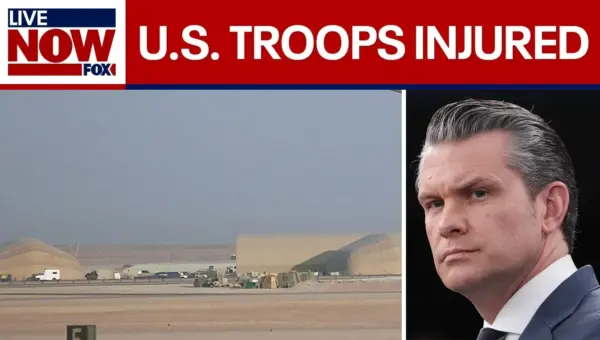
An Iranian missile attack on Prince Sultan Air Base in Saudi Arabia wounded multiple U.S. service members and damaged aircraft. The incident highlights the ongoing risks in the Middle East and the limitations of air defense systems. Analysts discuss the strategic implications, economic pressures, and the isolation of Iran amidst the conflict.


US Christian Nationalism Fuels Global Conflict Fears
A potent strain of Christian nationalism in the US is raising alarms globally, promoting a 'warlike brand' of faith that views empathy as weakness. This ideology, amplified during times of economic hardship, risks justifying aggressive actions and undermining international humanitarian norms. Its influence on policy could reshape global dynamics.