Iran Reels as Supreme Leader’s Death Sparks Unrest, Uncertainty
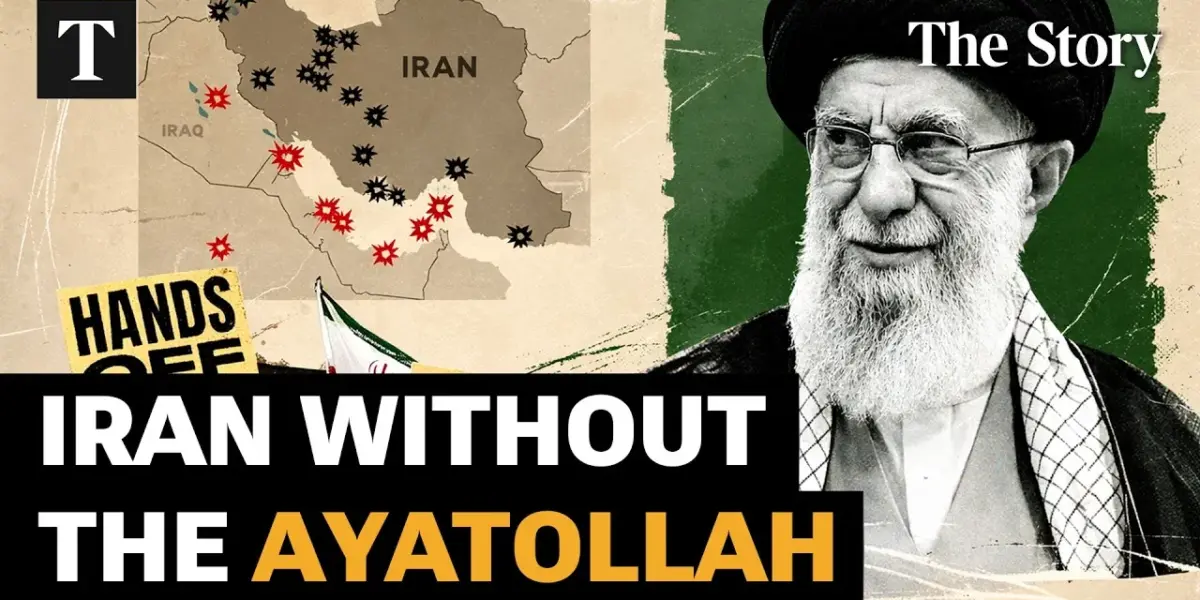
Iran is in turmoil following the US-Israeli assassination of Supreme Leader Ali Khamenei. The event has triggered a complex mix of celebration and fear among Iranians, who have long suffered under the regime's repression and sanctions. With Khamenei gone, the nation faces an uncertain future regarding succession and the potential for genuine political change.

Iran Plunged into Turmoil Following Supreme Leader’s Assassination
In the wake of targeted US-Israeli strikes that killed Iran’s Supreme Leader Ali Khamenei, the nation finds itself at a critical crossroads. The swift and decisive military action, which occurred over the weekend, has ignited a complex mix of jubilation and apprehension among Iranians, who have long endured a brutal regime and crippling sanctions. The assassination of Khamenei, a figurehead who has dominated Iranian politics for three decades, leaves a profound void and raises urgent questions about the country’s future, its leadership, and the potential for genuine change.
A Nation Divided: Grief, Celebration, and Fear
The events of the past few days have starkly divided Iranian society. While some citizens have taken to the streets in celebration, others are mourning the loss of a leader they perceived as a bulwark against Western influence. This duality reflects the deep fissures within the nation, exacerbated by years of repression and economic hardship. The January uprising, which saw widespread protests brutally suppressed and thousands of demonstrators killed, had already pushed many Iranians to a point of no return. Now, caught between the remnants of a violent regime and the devastating impact of external military action, the population faces an uncertain and perilous path.
Rana Rahimpour, an Iranian journalist living in exile, described the complex emotions gripping the diaspora and those within Iran. “The people were caught between a murderous extremist Islamic Republic and on the other hand Israeli and American bombs,” she stated. “This is going to be a very costly war for Iranians and the ordinary Iranians who were already suffering as a result of sanctions and the mismanagement of the economy under the regime.”
The Question of Succession and the System’s Resilience
With Khamenei’s death, the immediate question is who will succeed him and whether the fundamental structure of the Islamic Republic can withstand such a seismic event. Experts suggest that while Khamenei’s demise will undoubtedly shift the political landscape, the deeply embedded nature of the regime, sustained by both ideological commitment and financial interests, means the struggle for power could intensify and potentially lead to even greater violence.
Professor Ali Ansari, an expert on Iranian history, noted the highly personalized nature of the regime under Khamenei. “He basically made everything rotate around him,” Ansari explained. “But I don’t think, you know, there’s a debate as to how deep that process goes.” He also highlighted concerning signs of a breakdown in command and control within the military, evidenced by recent unprovoked attacks on neighboring countries, suggesting the system’s robustness may be overstated.
Currently, a three-man leadership council, including the president and the head of the judiciary, is reportedly in place. However, the process of selecting a new Supreme Leader is expected to be fraught with challenges, particularly in the current volatile environment, making the selection a potentially vulnerable target.
The Role of External Intervention and the Call for Freedom
The intervention by the United States, with President Trump explicitly calling for regime change, has been met with a mixture of hope and skepticism. While some Iranians are desperate for any avenue to escape the current predicament, many view Trump’s calls for public protest amidst bombing campaigns as dangerously naive and impractical.
“When he invites people to go out on the street while the country is being bombed, would anyone in with any sanity go and protest on the street while there are constant attacks on every part of the country?” Rahimpour questioned. She added that many who participated in the January protests have since fled major cities, making large-scale public demonstrations unlikely in the immediate aftermath of the strikes.
President Trump’s message to the people of Iran, stating, “The hour of your freedom is at hand,” and promising overwhelming strength, has been interpreted by some as a potential catalyst. However, the reality on the ground is one of confusion and fear, with citizens caught between the regime’s oppressive apparatus and the destructive force of the military strikes.
What Lies Ahead: A Vacuum of Leadership and a Hope for Democracy?
The absence of a clear figurehead to replace Khamenei presents a significant challenge. While Reza Pahlavi, the son of Iran’s former king, has emerged as a potential, albeit controversial, candidate for transitional leadership, his widespread support within Iran remains uncertain. Many Iranians are simply hoping for the collapse of the regime, though the efficacy of aerial bombardment in achieving this goal is historically questionable.
The broader implications of this event extend beyond Iran’s borders. The potential collapse of the regime could reshape regional dynamics, with Russia and China offering little support to the current Iranian leadership. The emergence of a more democratic and less ideologically driven Iran could represent a significant diplomatic shift, akin to the 1979 revolution, but with a vastly different outcome.
As the dust settles on the assassination of Ali Khamenei, Iran stands on the precipice of profound change. The coming weeks and months will be critical in determining whether this moment of crisis will lead to a more democratic and prosperous future for the Iranian people or descend into further chaos and conflict. The world watches, holding its breath, as Iran navigates the turbulent aftermath of losing its long-standing Supreme Leader.
Source: What Happens To A Regime When Its Figurehead Is Gone? (YouTube)

Related Articles


US Launches Full-Scale Conflict with Iran; Retaliatory Strikes Hit Gulf States
The United States has entered day four of a full-scale conflict with Iran, marked by escalating retaliatory strikes from Tehran targeting U.S. interests across the Gulf states. While U.S. officials cite an imminent threat, the endgame remains unclear, with Iran's capacity for sustained attacks and the internal stability of the nation under increasing scrutiny.
UK Faces Terror Threat After US-Israel Iran Strikes
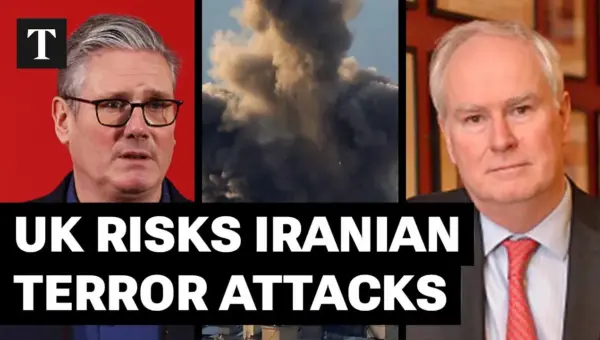
The UK faces a heightened risk of Iranian cyber and terror attacks following US-led strikes, warns former National Security Adviser Sir Mark Lyall Grant. Amidst escalating conflict and US service member deaths, Britain maintains a stance of non-involvement in offensive actions while defending allies.
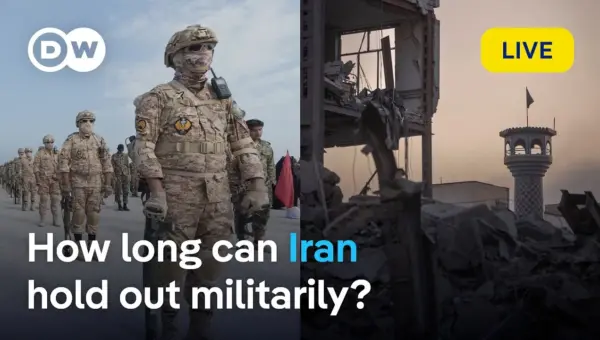
Iran’s Military Endurance Tested Amidst US-Israeli Conflict
DW News examines Iran's military endurance amidst the US-Israeli conflict, analyzing its strategic capabilities, economic pressures from sanctions, and the role of regional proxies. The discussion highlights the complex factors determining Iran's resilience in a protracted confrontation.