Iran Recruits UK Teens Via Social Media for Spying
Iranian intelligence is reportedly using social media, particularly Telegram, to recruit teenagers in the UK for espionage. These recruits are often offered small sums for tasks like filming targets, potentially unaware of the severe legal consequences if linked to the state. This tactic mirrors methods previously seen with Russian-linked groups.

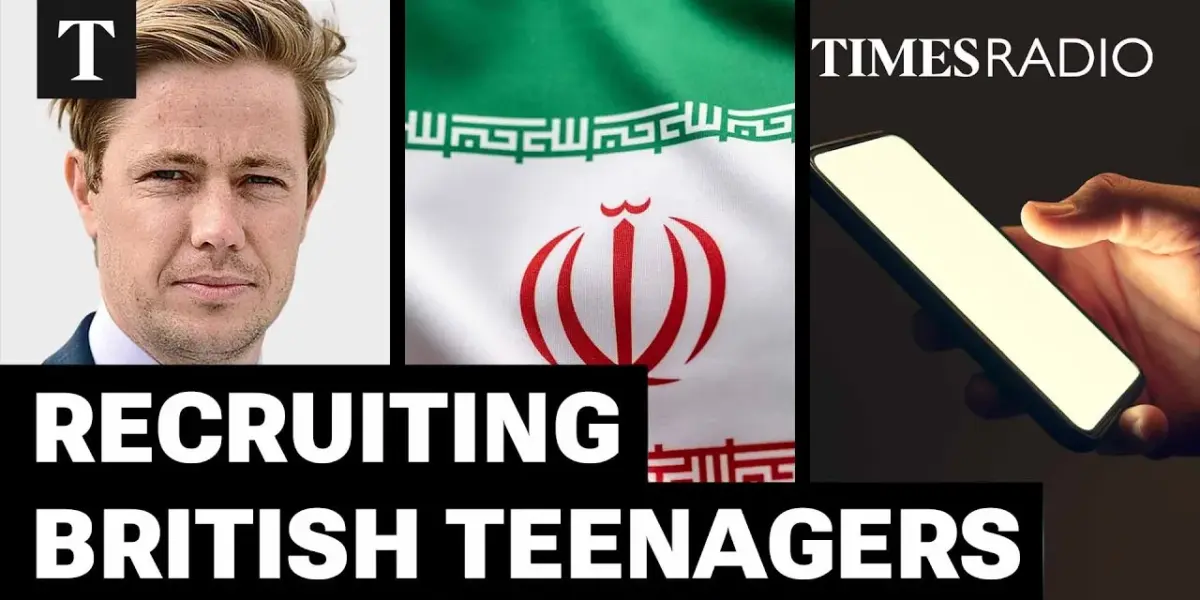
Iran Targets British Teens for Espionage Via Social Media
Iranian intelligence agencies are actively recruiting teenagers in the United Kingdom through social media platforms, primarily Telegram, to carry out espionage and other acts on British soil. This alarming trend, revealed by The Times, suggests a sophisticated and concerning method by the Iranian regime to gather intelligence and potentially destabilize the UK.
Social Media Recruitment Channels Uncovered
Investigators have identified public and freely accessible Telegram channels, linked to accounts that appear to be official Iranian intelligence services. These channels post propaganda, particularly concerning events in the Middle East, and invite individuals sympathetic to the Iranian cause, or those who are anti-Israel and anti-America, to “cooperate and collaborate” with the regime. While Telegram often shuts down these channels, new ones quickly emerge, maintaining a continuous recruitment pipeline.
Those who sign up are asked questions about their motivations, location, and willingness to assist. The tasks offered range from simple filming of buildings or individuals for a small fee of around £500, to more complex tasks like following targets for several hours, which can earn up to £2,000. These low-level tasks are designed to draw individuals into clandestine activities, often without them fully understanding the gravity of their involvement.
Exploiting Vulnerable Individuals
Experts and officials express deep concern that many recruits may not fully grasp the seriousness of their actions or the potential consequences. Lord Beamish, chair of Parliament’s Intelligence and Security Committee, noted that individuals are often recruited through proxies and may be unaware they are working directly for the Iranian state. They might see themselves as petty criminals seeking quick money for seemingly minor acts.
However, if these activities are linked back to the Iranian state, the charges become far more serious. Jonathan Hall, the independent reviewer of terrorism legislation, voiced worries that participants might not fully understand the severe punishments they face. Filming random people is one thing; doing so for a hostile state, especially under the new National Security Act, can lead to many years in prison. This act makes it significantly easier for police and security services to prosecute individuals acting on behalf of hostile states.
Echoes of Russian Tactics
The methods employed by Iranian intelligence bear a striking resemblance to tactics previously used by Russia. The report highlights a 2023 arson attack on a warehouse in East London, which targeted a Ukrainian-run business. Initially, the perpetrators appeared to have no links to Russia. However, investigations revealed they had been recruited through proxies by the Wagner paramilitary group, acting on behalf of Russia for acts of terror abroad.
This particular case marked a significant breakthrough for UK security services. They were able to prosecute two of the men under the new National Security Act for the first time. Collectively, these individuals received sentences totaling 28 years in jail, demonstrating the severe penalties for such offenses.
Broader Context of Iranian Activity
This social media recruitment strategy comes in the wake of heightened concerns about Iranian state-sponsored activities in the UK. The investigation into an attack on four ambulances in Golders Green, London, has put the spotlight back on Iran’s operations. While the investigation into the ambulance attack is ongoing, authorities are exploring potential links to the Iranian regime.
It is known that the Iranian regime has been implicated in 20 foiled terror attacks within the UK. Beyond these, numerous espionage cases have been uncovered in London and across the rest of the UK, with activity also increasing across Europe. The recruitment of teenagers via social media represents a new, and perhaps more insidious, dimension to these ongoing threats.
Challenges for Security Services
The way Iranian intelligence appears to operate makes it incredibly difficult for security services and police to trace activities back to their sources and apprehend those involved. Lawrence Taylor, head of Counter Terrorism Policing, has stated that his team is still working to fully understand the operational methods of Iranian intelligence within the UK. The use of proxies and seemingly low-level recruits complicates investigations, requiring advanced intelligence gathering and analysis.
Looking Ahead
The revelations underscore the evolving nature of state-sponsored espionage and the exploitation of digital platforms to reach vulnerable populations. Security services will likely increase their monitoring of social media channels and work to counter recruitment efforts. The effectiveness of the new National Security Act in prosecuting those involved will be crucial in deterring future acts of espionage and terrorism orchestrated by hostile states.
Source: Iranian Spies Are Using Social Media To Recruit British Teenagers | Matt Dahan (YouTube)

Related Articles

Rubio: US Can Achieve Iran War Goals Without Troops
Senator Marco Rubio outlined a strategy to counter Iran without deploying U.S. ground troops, focusing on weakening the regime and enhancing maritime security. He also criticized Cuba's economic system and expressed concerns about West Bank violence.


Israel Escalates Iran Strikes, Warns of Wider War
Israel has launched significant strikes inside Iran following continued missile fire, warning of further escalation. The conflict risks wider regional instability and economic disruption, especially concerning the Strait of Hormuz.

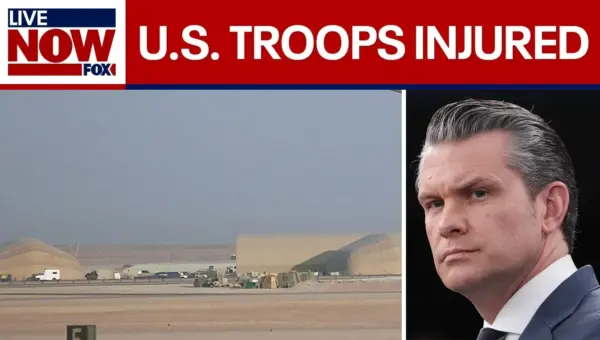
US Troops Wounded in Saudi Base Attack by Iran
An Iranian missile attack on Prince Sultan Air Base in Saudi Arabia wounded multiple U.S. service members and damaged aircraft. The incident highlights the ongoing risks in the Middle East and the limitations of air defense systems. Analysts discuss the strategic implications, economic pressures, and the isolation of Iran amidst the conflict.