Iran Recruits Minors for Global Spying via Telegram
Iran's intelligence agencies are reportedly using apps like Telegram to recruit individuals, including minors, for global spying operations. The regime offers small sums for tasks such as filming people of interest, a tactic that poses significant challenges for law enforcement due to its deceptive and widespread nature.

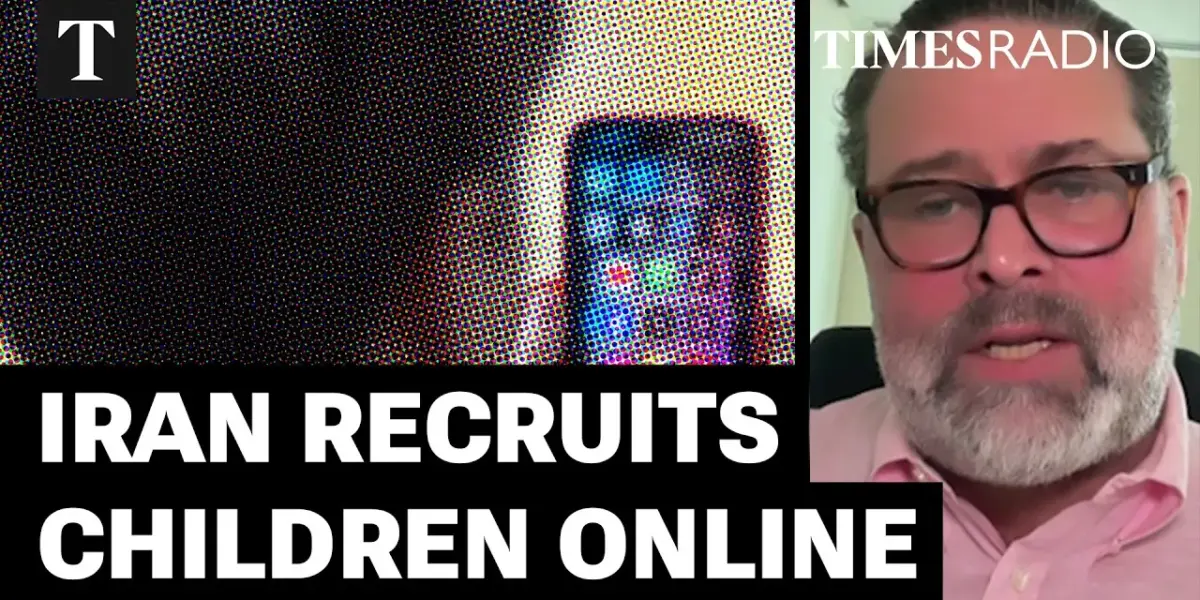
Iran Uses Apps to Recruit Minors for Global Espionage
Iran’s intelligence agencies are reportedly using social media apps like Telegram to recruit individuals, including minors, for spying operations around the world. A recent investigation by The Times revealed that the Iranian regime is offering small sums of money, sometimes just a few hundred pounds, for tasks such as filming people of interest.
How the Recruitment Works
According to Roger Macmillan, former director of security at Iran International, a TV station frequently targeted by the regime, the recruitment process often involves advertising through Telegram channels. The agencies seek out people who might be susceptible or interested in such work, describing it as part of the broader ‘gig economy.’ This approach aims to make the tasks seem like simple, low-risk jobs for cash.
Minors as Operatives
The tactics employed by Iran are alarming, extending to the recruitment of very young individuals. In Israel, a 14-year-old boy was recently indicted for spying for Iran after being contacted through Telegram. He was reportedly taking photographs and sending them back to Iran. This case highlights the regime’s willingness to involve minors, with the child even citing school commitments as a reason for not completing a task immediately.
“It is this level they will go to.”
Roger Macmillan
Global Reach and UK Risk
This recruitment strategy is not limited to one country. Reports suggest similar activities, including arson attacks, have occurred across Europe, particularly in the low countries, with young adults and teenagers allegedly involved. Experts believe it is highly probable that such recruitment is also happening in the UK.
Deception and Lack of Awareness
A key element of this operation is that recruited individuals may not fully understand who they are spying for or the ultimate purpose of their actions. They might simply believe they are performing simple photography tasks for money. This ‘gig economy’ model allows operatives to be ‘one and done,’ meaning they may never be contacted again, and will never know the true intent behind the ‘hostile reconnaissance’ they conducted.
Challenges for Law Enforcement
Tracking and prosecuting these activities presents significant challenges for law enforcement agencies like the Metropolitan Police. The use of messaging apps that can be quickly created and deleted makes it incredibly difficult to trace the individuals and the organizations behind them. The digital and cyber environment further complicates these investigations.
Cyber Harassment and Trolling
Beyond physical surveillance, Iran is also accused of employing sophisticated cyber tactics, including large-scale online harassment. This involves using bots and paid individuals, often referred to as ‘online trolls,’ to provoke, intimidate, and silence critics. Organizations like ‘Charming Kitten,’ an advanced persistent threat group, are believed to be behind these operations. The aim is to shut down dissent, discourage difficult questions, and intimidate journalists and activists.
“The abuse that journalists and women journalists in particular see from countries like that is just abhorrent. And this is yet again why we must in the UK do more to look at how we can shut these people down.”
Kate, Journalist
Targeting Journalists
Journalists, particularly those working for outlets like Iran International, have been frequent targets of this abuse. Vile threats, including rape threats, and deeply personal attacks are reportedly carried out on an ‘industrial scale.’ This concerted effort aims to undermine individuals, cause self-doubt, and attack their will to speak out. Experts emphasize that this is a deliberate modus operandi designed to inflict maximum psychological damage.
Calls for Action and Sanctions
There are growing calls for stronger action against Iran’s intelligence operations. Suggestions include designating certain elements of the Islamic Revolutionary Guard Corps (IRGC) as a terrorist organization. While not a complete solution, such measures are seen as a starting point to show political will and take the threat seriously, moving beyond mere expressions of concern.
Broader Geopolitical Context
Nigel Inkster, former MI6 Director of Operations, draws parallels between Iran’s tactics and those previously used by Russia. He notes that Iran views the UK as a significant adversary, referring to it as the ‘small Satan’ compared to the US ‘great Satan.’ This perception, combined with the UK’s support for certain defensive measures against Iran, fuels the regime’s actions. Inkster suggests that the UK cannot plausibly distance itself from the current conflict and is seen as a belligerent party by Iran.
Security Services’ Preparedness
Despite the challenges, UK security and intelligence services are believed to be broadly capable of repelling this threat. They have reportedly anticipated and dealt with over 20 Iranian-backed threats within the UK. While acknowledging that a perfect record is impossible, the general assessment is that the UK is in a reasonably good state to manage this particular risk, with contingency plans likely in place.
Future Outlook
The ongoing use of sophisticated and often ethically dubious methods by Iran highlights a determined strategy to exert influence and suppress opposition globally. As these tactics evolve, particularly in the digital realm, the focus will remain on how effectively law enforcement and intelligence agencies can adapt and counter these persistent threats while protecting vulnerable individuals and democratic discourse.
Source: Iran 'Recruits Minors' To Conduct Surveillance Around The World | Roger Macmillan (YouTube)

Related Articles


Iran Targets US With Cyberattacks, Escalating Digital Warfare
Iran is increasingly using cyberattacks to challenge the U.S., as seen in a recent hack of the FBI director's account. Experts say this is a strategic shift due to Iran's limitations in conventional warfare. The U.S. needs to strengthen its digital defenses, focusing on encryption and cloud computing, rather than solely relying on traditional security measures.

Iran Conflict Threatens Global Internet: Cables at Risk
The ongoing conflict involving Iran is putting global internet infrastructure at risk. Threats to data centers and vital undersea fiber optic cables could disrupt online services worldwide. Redundant systems may not be enough if backups are also in the line of fire.


Iran Suspected of Using Petty Criminals for UK “State Threats”
The UK faces a growing threat from foreign states using petty criminals for sabotage, according to intelligence warnings. Iran is suspected of employing this tactic, potentially exploiting anti-Semitism to motivate attacks like the recent burning of Jewish ambulances. Authorities are grappling with distinguishing these state-backed acts from ordinary crime and terrorism.