Iran Rakes in Cash Despite Conflict, Expert Reveals
Iran is experiencing a significant financial upswing, earning more money now than before the recent conflict, according to expert Ian Bremmer. This comes as the U.S. has eased sanctions on Iranian crude oil, boosting sales, particularly to India. The situation highlights complex geopolitical dynamics and potential for further escalation.

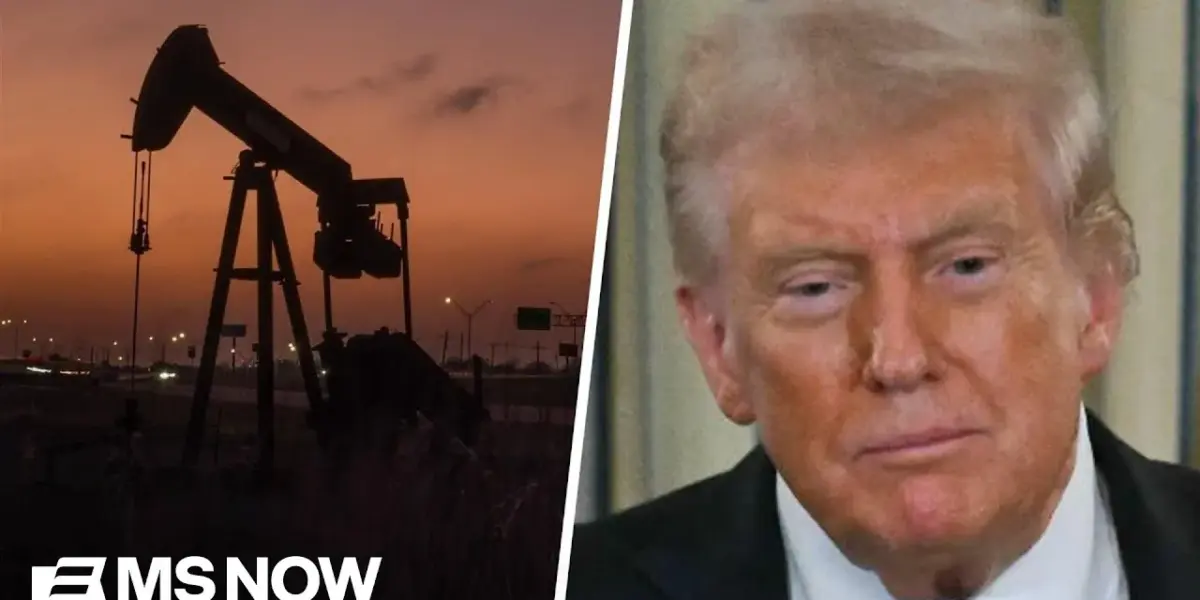
Iran’s Unexpected Financial Gains Amidst Regional Tensions
Despite ongoing conflict and military deployments in the Persian Gulf, Iran is reportedly earning significantly more money now than before the recent escalation. This surprising financial boost comes as the United States has eased sanctions on Iranian crude oil, allowing for increased sales, particularly to India.
Expert Analysis on Iran’s Strategic Advantage
Ian Bremmer, president and founder of Eurasia Group and GZO Media, suggests that Iran’s most valuable asset currently is the perceived lack of strong American backing for sustained pressure. He draws a parallel to a past situation involving China during the Trump administration. At that time, China demonstrated its ability to withstand American economic pressure longer than expected, using its control over critical minerals as leverage. Bremmer notes that Iran appears to be employing a similar strategy, using its influence over the Strait of Hormuz to exert economic pain.
“The Iranians are making a lot more money now than they were making before the war.”
This assertion is supported by the fact that Iranian oil is being sold at higher prices. Recent reports indicate that India has resumed purchases of Iranian crude after years of absence, and they are paying a premium for it. This influx of cash directly benefits the Iranian regime, which Bremmer points out has not changed its fundamental behavior or spending priorities.
Unpacking Trump’s Statements and Potential Motives
Former President Donald Trump has made several public statements regarding Iran, including an ultimatum that implied military action. However, Bremmer suggests that Trump’s recent rhetoric might be aimed at lowering oil prices, especially with an upcoming speech at a Saudi-sponsored conference in Miami. Trump has historically sought to reduce oil costs, and public discussions about de-escalating tensions with Iran could serve this purpose.
The article also touches upon the deployment of additional U.S. troops to the region. Approximately 7,000 Marines and other forces are expected to arrive in the Persian Gulf around April 6th. While the stated intention is to control the Strait of Hormuz, stop drone attacks, and manage oil flow, the presence of these troops could lead to further escalation.
The Complexities of Negotiations and ‘Presents’
Bremmer questions the nature of a “present” that Trump alluded to, which he described as oil and gas related and worth a significant amount of money. Bremmer believes there is no such substantial gift from the Iranian regime. Instead, he points to the ongoing suspension of sanctions on Iranian oil as the primary driver of Iran’s increased revenue.
While there has been talk of potential negotiations between American figures like Jared Kushner and Steve Witkoff with Iranian leaders, including their Foreign Minister, Bremmer emphasizes the significant gap between these discussions and a genuine de-escalation or peace agreement. He highlights that Iran’s demands, such as security guarantees and the removal of sanctions, are far from being met by the U.S. Furthermore, the core U.S. war goals, such as preventing Iran from enriching uranium and stopping its drone capabilities, remain unchanged.
Escalation or De-escalation? The Path Forward
The current situation presents a complex picture. While Iran is benefiting financially, the U.S. is increasing its military presence in the region. Bremmer suggests that the strategy of allowing Iran to make more money, especially when the former administration’s policy was to prevent such revenue streams for what they deemed ‘bad deeds,’ seems counterproductive.
The article concludes by noting that despite the conflicting signals and statements, the underlying factors point towards potential escalation. The financial gains for Iran, coupled with the military deployments, create a volatile environment where the ultimate outcome remains uncertain. The focus will be on how these diverging interests play out in the coming weeks and months.
Source: Iran is making 'a lot more money now' than before the war: Expert (YouTube)

Related Articles

G7 Allies Clash Over Iran War Strategy, Urge Focus on Russia
G7 foreign ministers met in Paris, revealing deep divisions over the U.S. war with Iran. European allies urged the U.S. to pressure Russia, linking its actions to the conflict and fearing support for Ukraine will wane.

Iran Blocks China Ships, Exposing Beijing’s Weak Grip
Iran's recent decision to block Chinese ships at the Strait of Hormuz is exposing the limits of Beijing's influence in the Middle East. This action is causing delays and cancellations for Chinese manufacturers, turning a perceived geopolitical win into an economic strain.
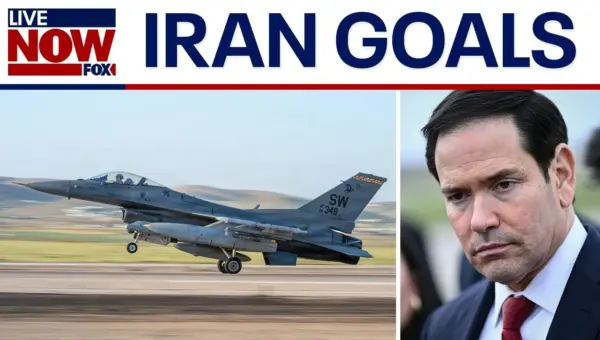
Rubio: US Can Achieve Iran War Goals Without Troops
Senator Marco Rubio outlined a strategy to counter Iran without deploying U.S. ground troops, focusing on weakening the regime and enhancing maritime security. He also criticized Cuba's economic system and expressed concerns about West Bank violence.