Iran Pushes Back on U.S. Deadline Amid Strait of Hormuz Threat
President Trump has issued an ultimatum to Iran regarding the Strait of Hormuz, threatening to destroy Iran's power plants if the waterway is not reopened. Iran has responded with defiance, warning of retaliation against U.S. allies' energy infrastructure and the potential mining of the Persian Gulf. This standoff highlights the critical importance of the Strait for global oil trade and raises concerns about escalating regional conflict.

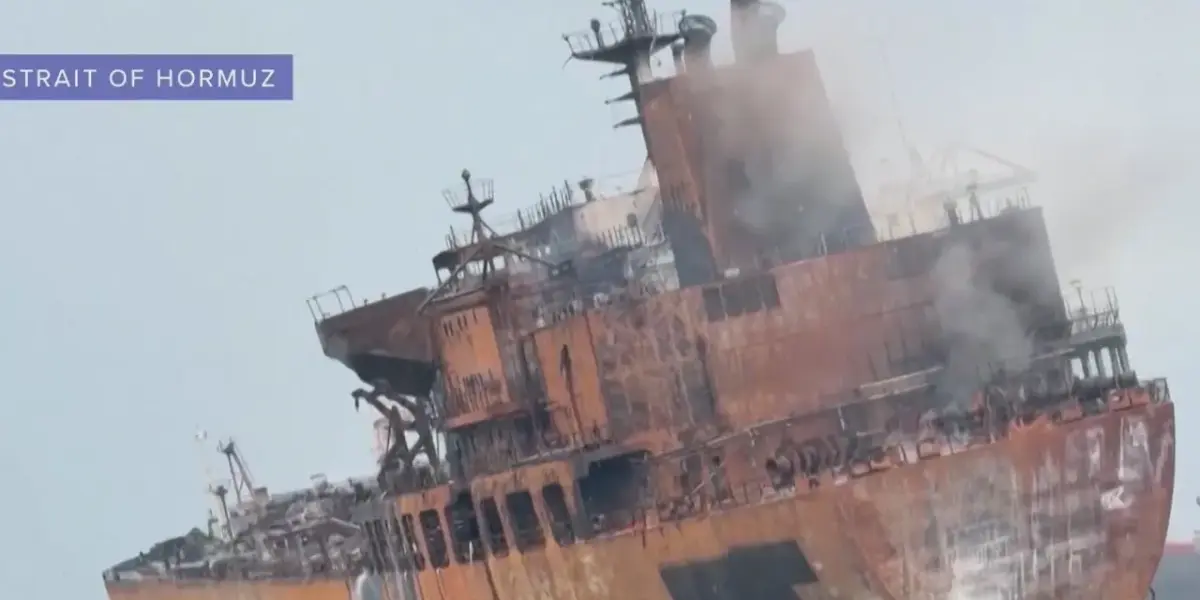
U.S. Ultimatum Sparks Tensions in Strait of Hormuz
President Trump has issued a stark warning to Iran: reopen the Strait of Hormuz by a specific deadline or face the destruction of Iran’s power plants. This ultimatum, delivered with a clear timeline, marks a significant escalation in U.S.-Iran tensions. Iran has responded defiantly, threatening retaliation against U.S. allies and American interests in the Middle East if the U.S. carries out its threat.
Iran’s Response: Defiance and Counter-Threats
Iran’s military has pushed back against President Trump’s deadline. A spokesperson for Iran’s Central Command issued a message, partly in English, directly addressing the U.S. President. The spokesperson stated that Americans and Israelis live in fear of Iran’s next move. This defiant message comes as Iran warns that it could target the energy grids of U.S. allies in the Middle East. They also threatened to lay mines in the Persian Gulf if any ground combat occurs, or if the U.S. or Israel sends ground troops into Iran.
The Strategic Importance of the Strait of Hormuz
The Strait of Hormuz is a vital waterway, a narrow channel connecting the Persian Gulf to the open ocean. A huge amount of the world’s oil passes through this strait every day. Iran has previously threatened to block ships in the Strait, which would severely disrupt global oil supplies. The U.S. and its allies depend on keeping this waterway open for energy security and international trade. Any disruption here could send oil prices soaring worldwide.
Escalating Rhetoric and Potential for Conflict
The exchange of threats between the U.S. and Iran highlights the dangerous situation developing in the region. President Trump’s demand for the Strait to be reopened is a clear red line. Iran’s response, including threats to energy infrastructure and the potential mining of the Gulf, shows their willingness to retaliate. Reports indicate some power blackouts have already occurred in Iran following strikes by both the U.S. and Israel, though the transcript does not confirm a direct link to Trump’s ultimatum.
Global Impact: Why This Reshapes the World Order
The standoff over the Strait of Hormuz has far-reaching consequences. The free flow of oil is crucial for the global economy. If Iran were to disrupt shipping, the economic impact would be felt by nations worldwide. This could lead to higher energy costs for consumers and businesses. It also increases the risk of a wider conflict in the Middle East, a region already dealing with instability. Such a conflict could draw in other major powers, further destabilizing the international order.
Historical Context
The U.S. and Iran have a long and complex history, marked by periods of intense hostility. The 1953 coup, the 1979 revolution, and subsequent diplomatic crises have shaped their current relationship. Threats to control strategic waterways like the Strait of Hormuz are not new. Iran has used the threat of disrupting shipping as a form of leverage in the past. The U.S., in turn, has maintained a strong naval presence in the region to ensure freedom of navigation.
Economic Leverage and Dependencies
Economic factors play a significant role in this standoff. Sanctions imposed by the U.S. have heavily impacted Iran’s economy. Iran’s ability to export oil is a key source of revenue. By threatening to block the Strait, Iran aims to exert economic pressure. Conversely, U.S. allies in the Middle East, like Saudi Arabia and the UAE, are heavily reliant on oil exports through the Strait. Their energy infrastructure, therefore, becomes a potential target for Iranian retaliation, creating a complex web of economic dependencies and vulnerabilities.
Regional Alliances and Shifting Power
The tensions also involve regional dynamics. Israel, a key U.S. ally, is also a target of Iranian threats. The relationship between Iran and its neighbors is often strained. Any escalation could draw in other regional players, potentially altering existing alliances and power balances. The U.S. aims to maintain stability and protect its allies, while Iran seeks to assert its influence and counter perceived threats. This creates a volatile environment where regional rivalries can quickly spill over.
Future Scenarios
Several future scenarios are possible. Scenario 1: De-escalation. Both sides pull back from the brink, and diplomatic channels are used to resolve the immediate crisis. This is often the preferred outcome but requires significant concessions or a shift in strategy from one or both parties. Scenario 2: Limited Conflict. The U.S. or Israel carries out targeted strikes, and Iran responds with limited retaliation, perhaps through proxy groups or by mining parts of the Gulf. This could lead to a prolonged period of heightened tension without full-scale war. Scenario 3: Wider Conflict. The situation spirals out of control, leading to direct military confrontation between the U.S. and Iran, potentially involving regional allies and disrupting global energy markets significantly. This is the most dangerous scenario with unpredictable global consequences.
Source: Trump’s deadline looms on Strait of Hormuz as Iran vows retaliation | Morning in America (YouTube)

Related Articles


G7 Allies Clash Over Iran War Strategy, Urge Focus on Russia
G7 foreign ministers met in Paris, revealing deep divisions over the U.S. war with Iran. European allies urged the U.S. to pressure Russia, linking its actions to the conflict and fearing support for Ukraine will wane.

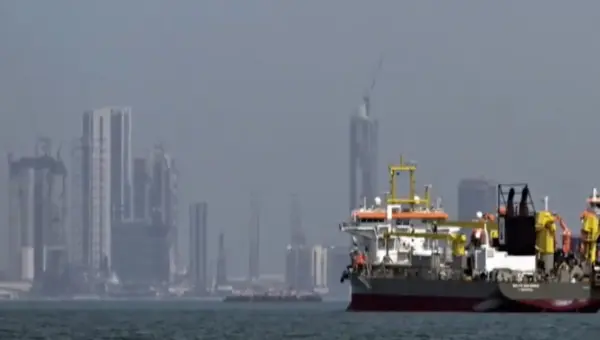
Iran Blocks China Ships, Exposing Beijing’s Weak Grip
Iran's recent decision to block Chinese ships at the Strait of Hormuz is exposing the limits of Beijing's influence in the Middle East. This action is causing delays and cancellations for Chinese manufacturers, turning a perceived geopolitical win into an economic strain.
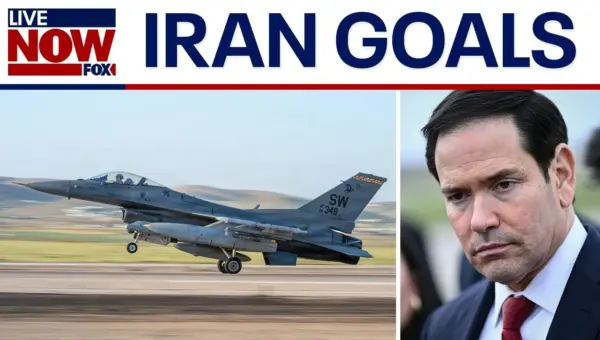
Rubio: US Can Achieve Iran War Goals Without Troops
Senator Marco Rubio outlined a strategy to counter Iran without deploying U.S. ground troops, focusing on weakening the regime and enhancing maritime security. He also criticized Cuba's economic system and expressed concerns about West Bank violence.